White Tea is often referred to as a one-year Tea, three-year medicine, and seven-year treasure. Storing white tea has become a hobby for many tea enthusiasts. So, how can you store white tea at home, and what should you pay attention to during the storage process?
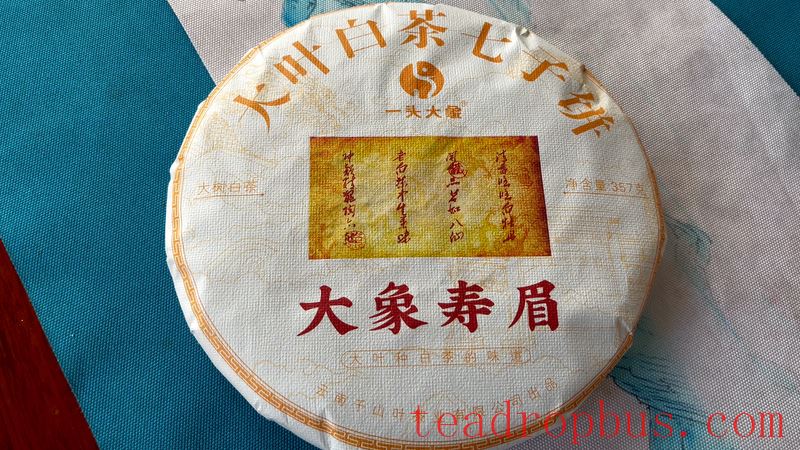
Basic Requirements for Storing White Tea
To store white tea, it's essential first to understand the basic requirements for its preservation. The most fundamental aspect of storing white tea involves keeping it away from light, ensuring good ventilation, using sealed containers, maintaining dryness, avoiding odors, and placing it off walls and floors. These are the fundamental points to remember, and not adhering to them could easily cause the tea to change color, flavor, or quality.
Tea Storage Packaging
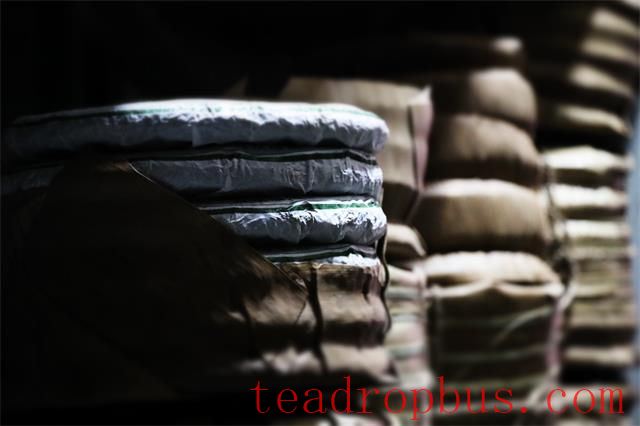
The most suitable method for packaging white tea for storage is the triple-layer method: a lightproof corrugated cardboard box, a sealed aluminum bag, and a moisture-proof plastic bag.
After tightly sealing the aluminum and moisture-proof bags, seal the cardboard box with tape. With these three layers of packaging, the white tea will be protected from air exposure and dampness.
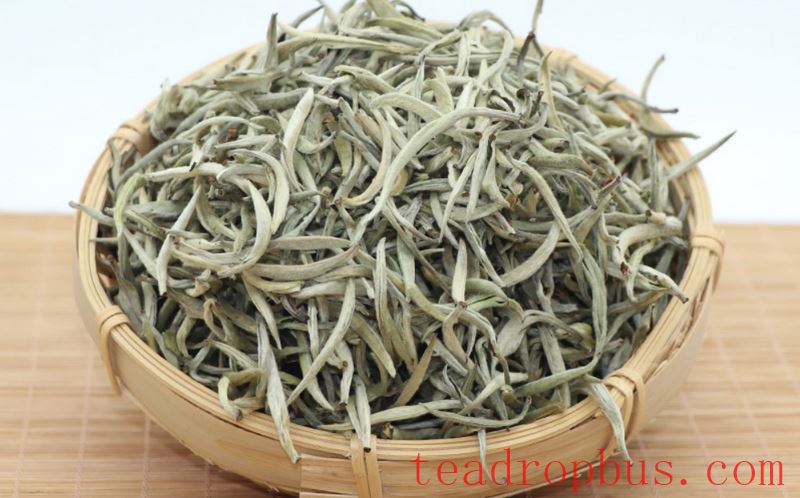
Some tea enthusiasts prefer to use purple clay jars to store white tea. Purple clay jars have a double-pore structure that allows for good air permeability. For storing Pu'er tea, this can be beneficial. However, for white tea, they can easily lead to dampness, which is disastrous for the tea!
Therefore, there's no need to prioritize attractive packaging over the practical requirements for storing white tea. This simple cardboard box provides the most faithful protection for your white tea.
Storage Environment
When storing white tea at home, it's important to avoid damp environments. Do not place the white tea in areas such as balconies, bathrooms, or kitchens. Suitable locations for home storage include dry storerooms, studies, or unused bedrooms, providing a comfortable space for the tea. In cases of large-scale storage, especially during humid weather, dehumidification measures are necessary, such as using the dehumidifying function on an air conditioner or even a dedicated dehumidifier.
What to Consider When Storing White Tea at Home
1. Room Temperature
White tea does not require refrigeration and can undergo normal transformation under room temperature conditions. Avoid artificially increasing the temperature to speed up the transformation process, as high temperatures can damage the active components of the tea, leading to spoilage.
2. Avoid Light
Light can cause the tea to oxidize, darken in color, and also decompose effective components, affecting the taste.
3. Dryness
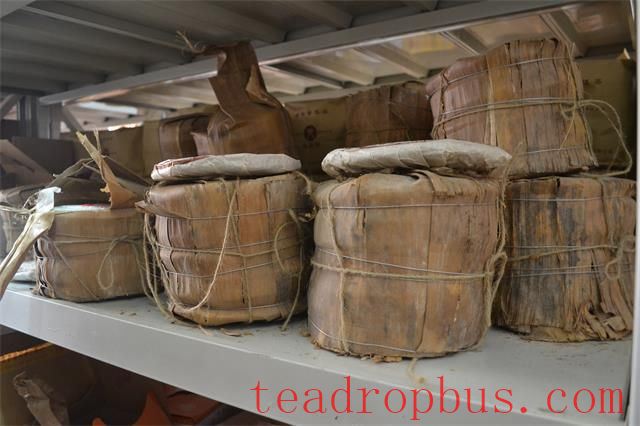
Only sufficiently dry tea leaves can be stored long-term without spoiling. Once tea leaves become damp, they are prone to mold and spoilage. When storing white tea, avoid contact with the floor and ceiling to prevent moisture absorption.
4. Odor-Free
Tea easily absorbs odors, so avoid exposing it to items with strong smells.