Tea Drops Bus Station
HOME
TEA STORE
Twinings Bets on the Moment Before the Moment
After a summer focused on capturing Gen Z market share, Twinings now aims for a stronger presence on the wellness shelf with its new But First, Tea ad campaign....
Tea News
· Oct 23, 2026
Thailand Invests in Fine Robusta
Thai coffee producers are focusing on fine robusta's unique qualities to attract higher prices and new markets. Photo credit: Sarnies Group Thailand’s fi...
Tea News
· Oct 22, 2026
Younger Consumers Help Costa Coffee Return to Profit
Coinciding with the BCA’s announcement that Gen Z is drinking more coffee than ever before, Costa Coffee finally turns sales around. For the first time s...
Tea News
· Oct 22, 2026
AI Grading Supports Master Tea Tasters
For the first time, digital grading tools helped judge tea samples at the Golden Leaf India Awards. Photo credit: Profile Print Few things in tea feel as...
Tea News
· Oct 22, 2026
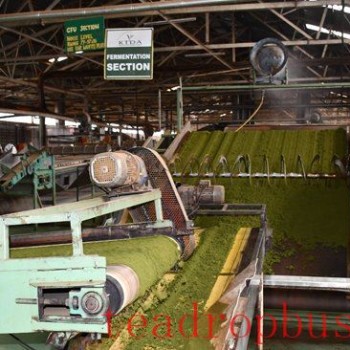
Kenya Modernizes Its Tea Factories
To capture more domestic value-addition, Kenya continues to implement tea reforms and plans to modernize its tea factories and processing centers. Photo credit:...
Tea News
· Oct 13, 2026
European Port Strikes Disrupt Coffee and Tea Distribution
Strikes in major Northern European ports cause delays to coffee and tea supply chains. Escalating labor disputes across Northern Europe are sending shoc...
Tea News
· Oct 13, 2026
Starbucks Considers Japan Divestment
As it revitalizes its US business, Starbucks reshuffles its global operations. Photo credit: Thananat The Starbucks turnaround plan is starting to pay of...
Tea News
· Oct 13, 2026
Malawi Initiates Digital Payments for Tea Sector
To improve gender equality and enhance tea workers' livelihoods, Malawi is advancing digital payments across its tea supply chain. Photo credit: The Tea Associa...
Tea News
· Oct 13, 2026
How Solar Can Power Coffee Production
With drastically reduced installation costs, solar power may just be the answer to coffee’s reliable electricity issues. Most coffee farmers live and wor...
Tea News
· Oct 13, 2026
South Korea Expands Instant Coffee Exports
South Korea leverages its coffee and consumer-packaged goods processing expertise to enter the global instant coffee market. South Korea is emerging as a...
Tea News
· Oct 13, 2026
1
2
3
4
5
6
7
8
9
10
Next