White Tea, a special and rare variety of tea in China, is one of the six major types of tea and belongs to the category of lightly fermented teas. It is mainly produced in Fuding and Zhenghe, Fujian Province. Its taste is light yet sweet and mellow, making it a delightful daily drink. The name “White Tea” comes from its finished product, which consists mostly of buds covered with fine white hairs that resemble silver or snow.
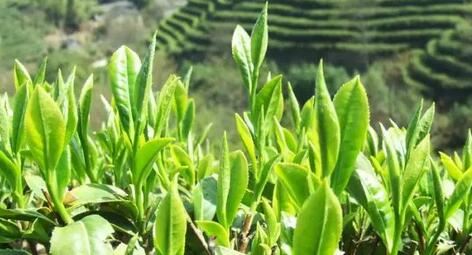
The white tea we recommend today is produced in Fuding.
The origin of white tea can be traced back to Mount Taomu. According to legend, Mount Taomu was formerly known as Mount Cai, and during the time of Emperor Yao, there lived an elderly woman who cultivated orchids and was known for her kindness and generosity. She used the green snow sprout tea she grew to treat measles, saving many children, and as a result, people revered her as a deity, calling her “Taimu,” and the mountain took on her name.
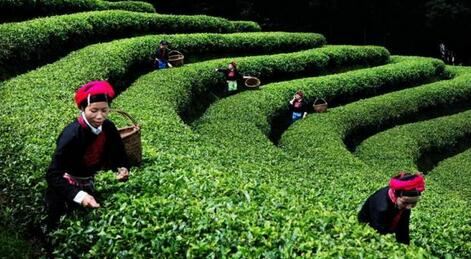
During the reign of Emperor Wu of Han, Taimu Mountain was named the first among the thirty-six famous mountains in China when the emperor's attendant, Dongfang Shuo, was sent to confer titles upon various mountains. Today, in Fuding Taimu Mountain, there are still relics believed to be the original mother tree of Fuding large white tea, the cave where Taimu discovered the green snow sprout, and the well where she watered the sprout. About 150 years ago (around 1857), Chen Huan from Zhutou Village in Baiqiu Township transplanted this tea to his home for propagation, and the yield was higher than that of local vegetable tea. Whether made into Black Tea, Green Tea, or white tea, the quality is excellent. One distinctive feature of the silver needle is its plump, white buds covered with downy hair.
Not only is white tea delicious, but its benefits and effects are well-known, epitomized by the saying “one year tea, three years medicine, seven years treasure.”
「One Year Tea」: Since white tea is a slightly fermented tea, the first-year white tea has a taste similar to green tea and is relatively cool in nature, so it is not recommended for those who are cold in constitution. Additionally, the flavor may be somewhat lacking in complexity.
「Three Years Medicine」: However, the magic of white tea lies in its transformation over time. If properly stored for two to three years, the internal components of the tea leaves slowly change. The aroma becomes richer, and the color of the infusion gradually changes from yellowish-green to a deeper shade. When tasted, the flavor is smoother and more mellow, and the nature of the tea shifts from cool to warm.
「Seven Years Treasure」: Technically, after five to six years, white tea can be considered aged. As time passes, the internal components of the tea become more refined, coexisting with a unique aged aroma alongside the characteristic downy aroma of white tea. The flavor is rich, and the color of the infusion is amber, bright and transparent. Drinking several cups of hot aged white tea can make one feel much lighter.
How should one appreciate white tea, and what are the key points?
White tea is characterized by intact buds covered with fine downy hair, a fresh and fragrant downy aroma, clear yellowish-green infusion, and a mild, sweet aftertaste. The most distinctive feature of white tea is its silver-white downy hair, giving it a beautiful appearance like a flower with plump buds. After brewing, the infusion is bright and clear, the flavor is fresh and mellow, and the leaves at the bottom of the cup are tender and uniform.
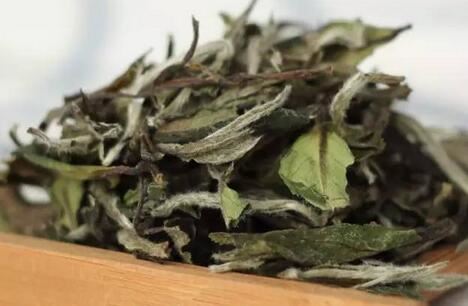
The leaves are plump and tender, fully extended, with plump downy buds and a strong, fresh fragrance. The flavor is rich and pure, the infusion is clear and yellowish, and the green leaves hold up the young buds, resembling a budding flower, creating a peaceful and elegant atmosphere.
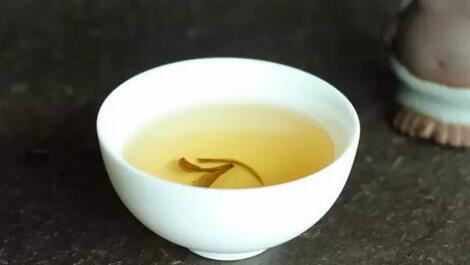
After brewing, the green leaves highlight the tender buds, forming a beautiful shape like a budding peony, creating a serene and refined ambiance, splendid and exquisite.
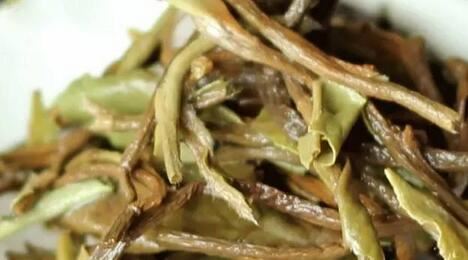
Why does white tea have so much white down?
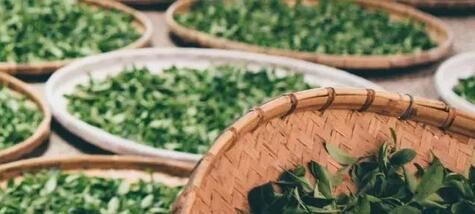
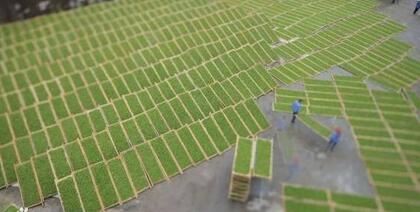
Those who have carefully observed tea plants will know that tea leaves naturally have “hair.” Due to the non-roasting and non-kneading process of white tea, it is sun-dried or gently oven-dried, preserving the white down on the surface of the tea, which is why it appears white.
What are some considerations for brewing white tea?
1. Cup Brewing Method: Suitable for individual drinking, using a 200ml transparent glass cup, take 3-5g of white tea and pour boiling water over it. First rinse the tea to warm it and enjoy its aroma, then directly brew with boiling water. Adjust the brewing time according to personal preference.
2. Gaiwan Method: Suitable for two people sharing, take 3-5g of Fuding white tea and place it in a gaiwan. Rinse the tea with boiling water to warm and enjoy its aroma, then brew like Gongfu tea. Start with 30-45 seconds for the first Steeping and increase the time for each subsequent steeping to savor the fresh taste of Fuding white tea.
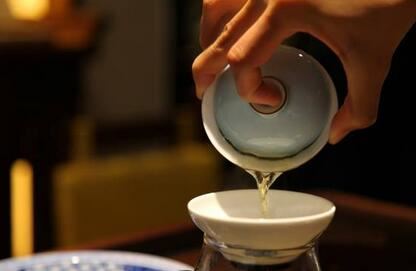
3. Teapot Brewing Method: Suitable for a small group of three to five people, use a large-bellied Yixing teapot or a large-capacity tea infuser, add 5-8g of Fuding white tea, rinse the tea with boiling water to warm and enjoy its aroma, and steep for about 45 seconds before drinking. This method highlights the rich downy aroma.
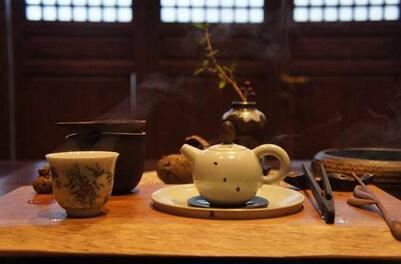
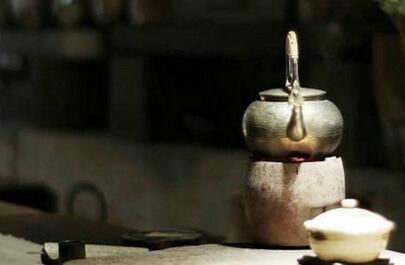
4. Boiling Method: Place 10g of aged white tea that is at least three years old in clear water and boil for approximately three minutes until the tea liquid is concentrated. Allow it to cool to around 70 degrees Celsius and add large chunks of rock sugar or honey while hot. The taste is rich and unique. It can also be served chilled in summer for a different flavor experience.
What are some considerations for storing white tea?
As the saying goes, white tea is “one year tea, three years medicine, seven years treasure.” As a type of tea with great collection value, how should ordinary tea enthusiasts store white tea better at home?
In Chinese folk traditions, many believe that the older the white tea, the better. Therefore, white tea is not afraid of being stored, and to facilitate storage, it is often pressed into cake form. To store white tea, simply ensure that the location is away from light, moisture-proof, and sealed. The storage method for white tea is very similar to that of Pu'er tea