Puer Tea: is it better fresh or aged? There's no definitive answer to this question, as both fresh and aged teas have their own characteristics and pros and cons. Fresh tea is characterized by its fresh, fragrant taste, vibrant infusion, and a certain degree of bitterness. Aged tea refers to tea that has been stored for several years before consumption.
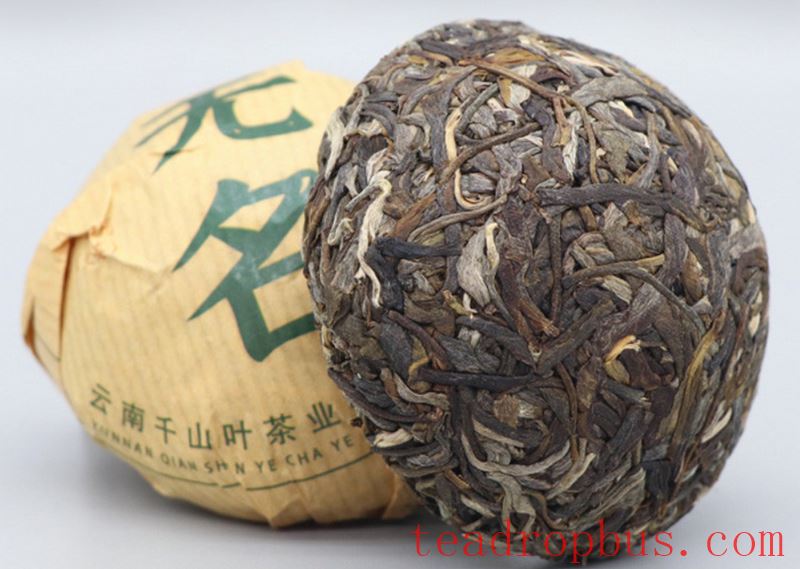
Puer Tea: Fresh or Aged?
There's a saying that goes like this: Puer tea straight from the factory is merely a half-finished product; it needs to be aged in storage for many years to become enjoyable. This is similar to ham and cured meats, which require more than a year of aging for better flavor. However, this isn't always the case, as everyone has different tastes. Some tea enthusiasts prefer the taste of fresh tea, while others enjoy Puer tea that has been aged for years. The choice ultimately depends on personal preference.
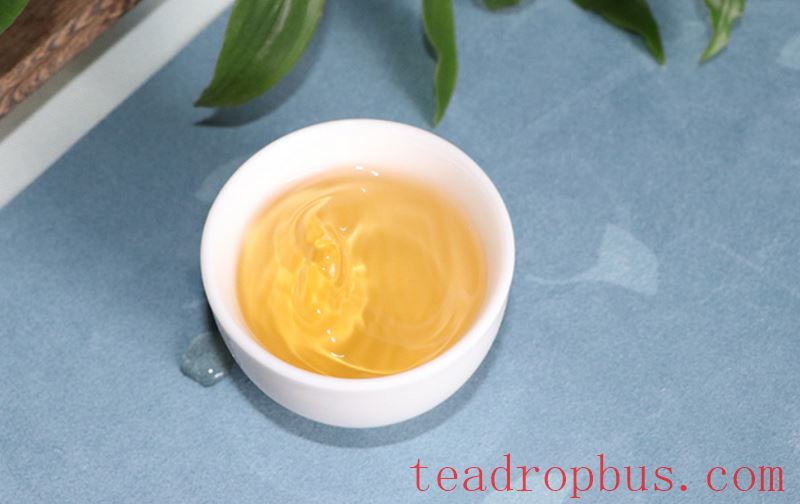
Selecting Fresh vs. Aged Tea
The greatest advantage of fresh Puer tea over aged varieties is its higher freshness and fragrance, with a more refreshing taste. However, fresh tea also has some notable drawbacks. The tea's character is not yet stable, and it can have a pronounced raw and bitter taste. The flavor is relatively light and somewhat cold, so it shouldn't be consumed excessively, as it may cause discomfort in the stomach. Fresh tea needs to be sealed and allowed to “sweat” for two months or longer to improve its taste. On the other hand, aged raw Puer tea becomes richer and smoother over time, with complex aromas and flavors, a clear taste profile, and a lingering aftertaste. The infusion is also milder, making it suitable for daily consumption.
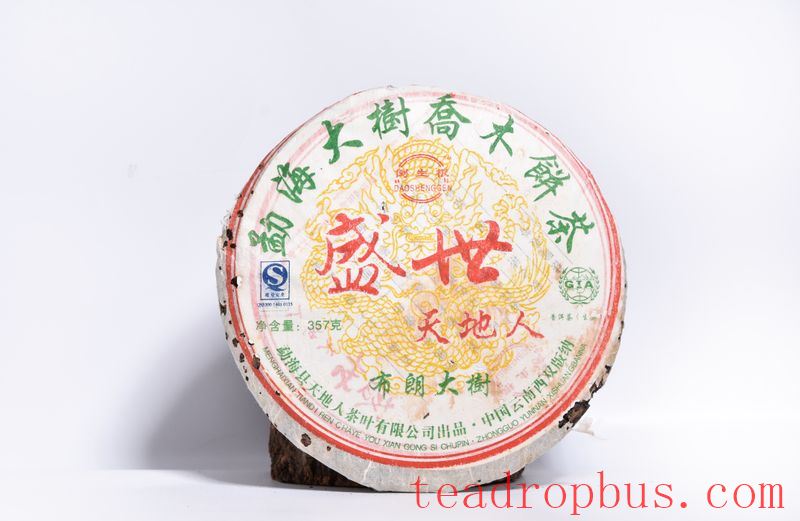
As a post-fermentation tea, time is what makes Puer tea truly excel. Fresh tea can be enjoyed occasionally, but for everyday drinking, it's recommended to choose aged tea.
This might lead some enthusiasts to ask, “Then why do you still pre-order fresh tea?”
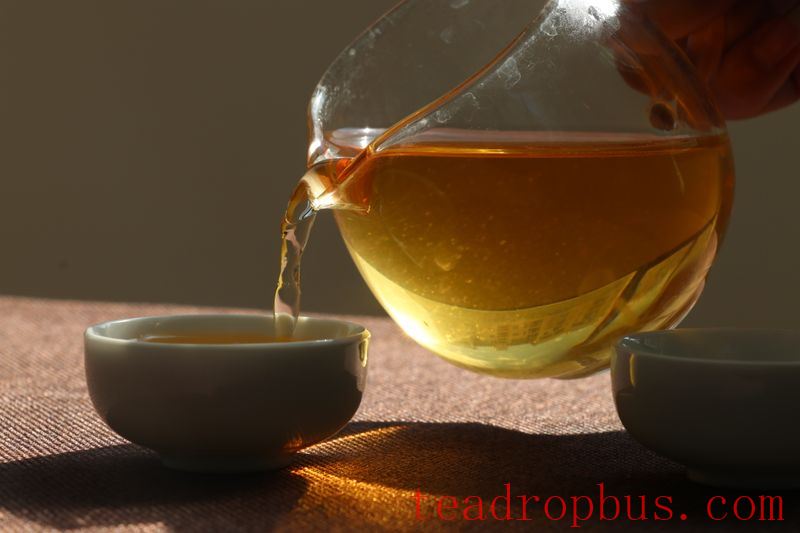
The reason for pre-ordering fresh tea is that many famous Village teas, such as those from ancient trees or the first spring harvest, are produced in limited quantities and are highly sought after. Some enthusiasts specifically seek these teas and will store them before drinking. For those who don't prioritize the first spring harvest from famous villages or have less stringent requirements, it's often more cost-effective to purchase previously stored tea, which can be enjoyed immediately. Drinking fresh tea requires a certain level of appreciation; if the mild flavor doesn't suit your taste, it might feel like drinking water with just a hint of flavor, making it difficult to discern quality. However, with aged tea, you can easily taste the difference in quality, reducing the risk of disappointment.
Ultimately, the decision should be based on your own needs.