Since the main area of growth for Tea plants in winter is the root, amino acids are synthesized in the roots and then transported to the top. After hibernation, tea plants store a great deal of nutrients internally. In winter and spring, the weak sunlight and slow growth rate of the tea plant are key factors in the formation of certain aromatic substances in the tea leaves. Therefore, Spring Tea boasts the advantages of glossy color, rich fragrance, thick and mellow taste with a lasting aftertaste, and soft, thick leaf bottoms. Additionally, spring teas are generally robust and heavy, covered with more downy hairs, have finely veined leaves, and indistinct serrated edges on the leaf margins. Below we analyze these characteristics from both the external appearance and internal composition of the tea:
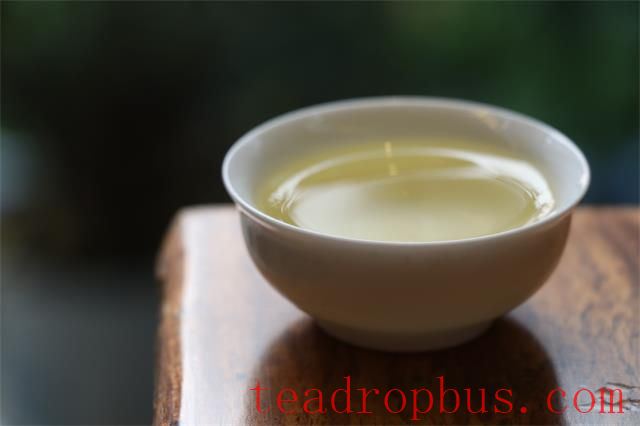
Judging by its appearance, Pu'er spring tea's fresh leaves feature short internodes, thick stems, small but thick leaves, long buds, an abundance of downy hairs, dark green leaves with a lustrous appearance, the presence of yellow buds, short petioles, and consistent colors between the leaves and petioles.
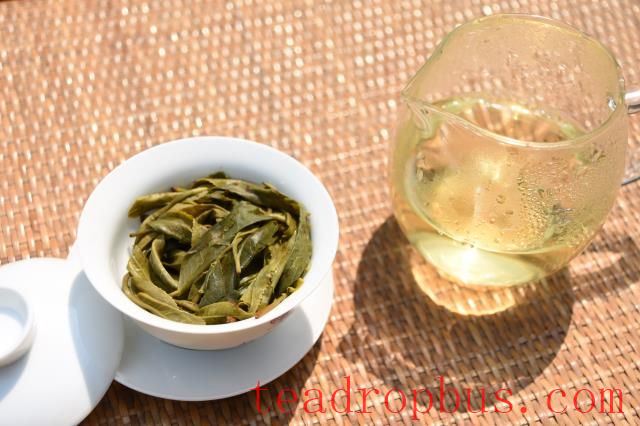
From the perspective of internal composition, Pu'er spring tea has a strong aroma, a bright golden liquor, a rich mouthfeel, and high-quality teas can withstand 15-20 infusions, with robust and substantial leaf bottoms as features.
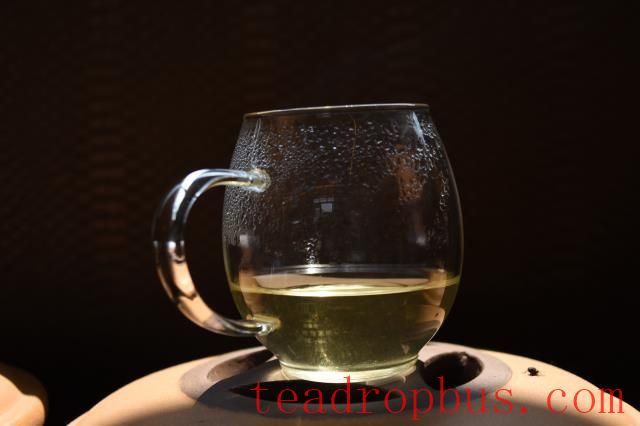
The nutritional components in Pu'er tea mainly consist of carbohydrates, proteins, amino acids, vitamins, dietary fibers, minerals, lipids, and other substances. Among these, amino acids are the primary chemical components that constitute the flavor of ancient tree Pu'er tea, which is manifested in the freshness and briskness of its taste. In spring tea, there are abundant vitamins, especially amino acids, which not only make the tea taste fresh and lively but also give it a pleasant aroma and Health benefits.