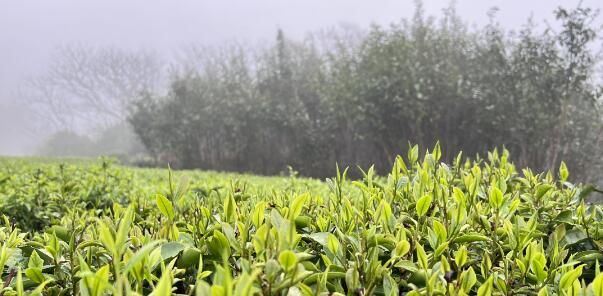
After continuous spring picking, a large amount of nutrients have been consumed from the Tea plants. With rising temperatures and increased rainfall in summer, tea garden diseases and pests become more frequent. Proper management of pest control and field work in the summer can effectively promote high-quality growth of the tea plants.
I. Tea Garden Management
(a) Timely Pruning and Shaping
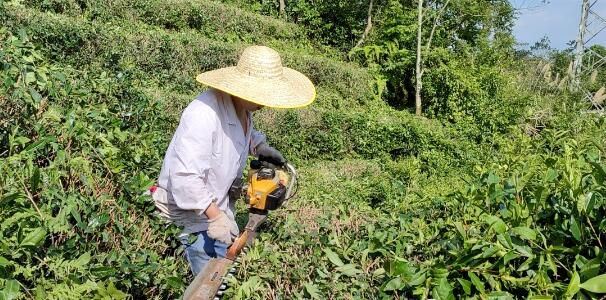
1. Light and deep pruning for the tea garden: Light pruning promotes the sprouting of new shoots, increases production density, and enhances the vigor of the tea plants; deep pruning encourages the regrowth of new branches, improves budding capacity, and prolongs the period of high-yield stability.
2. Heavy pruning and stump cutting for aging and low-yielding tea gardens:
Heavy pruning: After the spring harvest, if the old tea plants have weak budding ability and a heavy presence of paired leaves, perform heavy pruning, ideally removing 1/3 to 1/2 of the original height (30–50 cm above ground level). If too light, the effect is insignificant; if too heavy, recovery will be slow, affecting yield. When heavily pruning, leave robust stumps and remove weak branches to cultivate a new canopy, rejuvenate the plant, and achieve high yields and quality.
Stump cutting: After the spring harvest, perform stump cutting on prematurely aged or extremely aged tea plants, typically leaving about 10–15 cm above ground level. When stump cutting, leave robust stumps and remove weak branches to cultivate a new canopy, rejuvenate the plant, and apply organic fertilizer as a supplement to heavily pruned or stump-cut tea plants.
3. Formative pruning for young tea trees: To suppress the apical dominance of young tea trees, promote axillary bud sprouting, increase the number of main branches, and quickly form a strong and appropriately high picking surface, three formative prunings must be performed during the juvenile stage of the tea tree.
(b) Soiling, Weeding, and Rational Fertilization
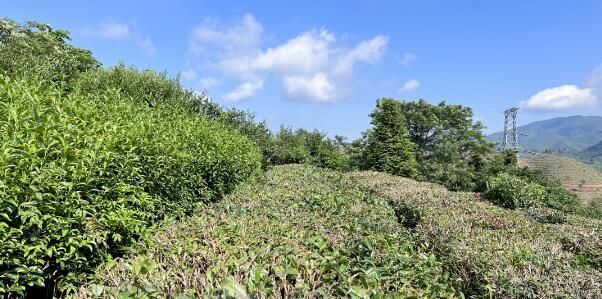
After multiple spring pickings, the topsoil of the tea garden is generally compacted, affecting root expansion. After the spring harvest, promptly shallowly till the soil to loosen it and remove weeds. The nutritional status of the plants is not high after multiple spring pickings, so summer water and fertilization management should be strengthened. Apply specialized tea fertilizer in trenches to increase soil fertility and the number of beneficial microorganisms, improving fertilizer utilization efficiency. For compacted soil in tea gardens, apply tillage fluid after fertilization and covering with soil to improve soil compaction.
(c) Timely Harvesting
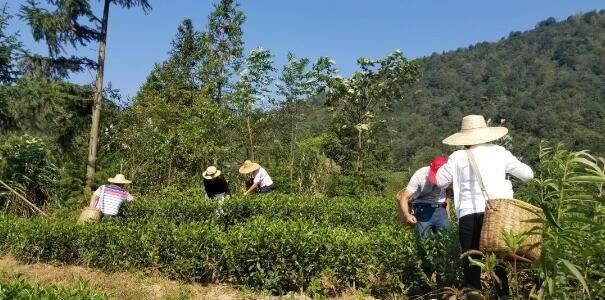
The hot summer weather slows down the growth of new shoots, making them prone to aging and resulting in poor fresh leaf quality. Therefore, in summer, frequent, staged, and appropriate harvesting should be conducted to reduce the amount of remaining leaves, promote normal growth of the tea plants, and increase the income of tea farmers.
II. Disease and Pest Control in Tea Plants
1. Strengthen disease surveillance and unified prevention and control.
In summer, new shoots grow vigorously, and the tea garden enters a critical period for controlling diseases and pests. Key focus is placed on preventing pests such as the tea green leafhopper, black scale, tea caterpillar, and mites that harm summer and autumn shoots. The approach to disease and pest control in tea gardens should adhere to the principle of “prevention first, integrated control.” To ensure the green, safe, and non-toxic nature of tea, when using pesticides for control, try to minimize the use of chemical pesticides and advocate agronomic measures or biological pesticides. Active promotion of methods such as luring, manual capture, and removal should be encouraged.
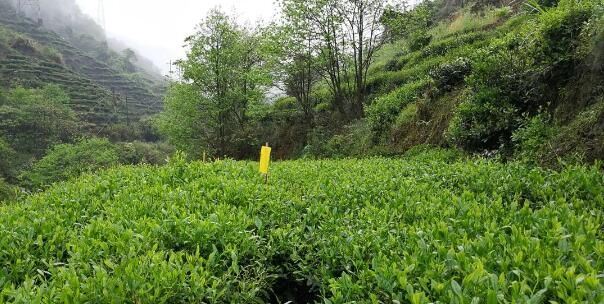
2. Scientific and Safe Use of Pesticides
Comprehensively apply low-toxicity, low-residue pesticides that meet standards in tea-growing areas, giving priority to biological and mineral sources of pesticides. The use of highly toxic, high-residue pesticides and chemical herbicides is strictly prohibited. Based on the occurrence of diseases and pests, grasp the key periods for control and the safe intervals between pesticide applications, and use pesticides scientifically and rationally.