Steeping Tea is something everyone knows how to do. A kettle of heated water, warming the tea leaves at a suitable temperature, and steeping a cup of fragrant tea. Tea drinkers know that tea shouldn't be steeped for too long or repeatedly, but they also know that some teas can be boiled. So why, if tea leaves cannot be steeped for too long, can they be boiled?
Firstly, what's wrong with steeping tea too many times? For the reason why tea shouldn't be steeped too many times, most people might only think that tea steeped for too long becomes tasteless. However, the issue goes much deeper than that.
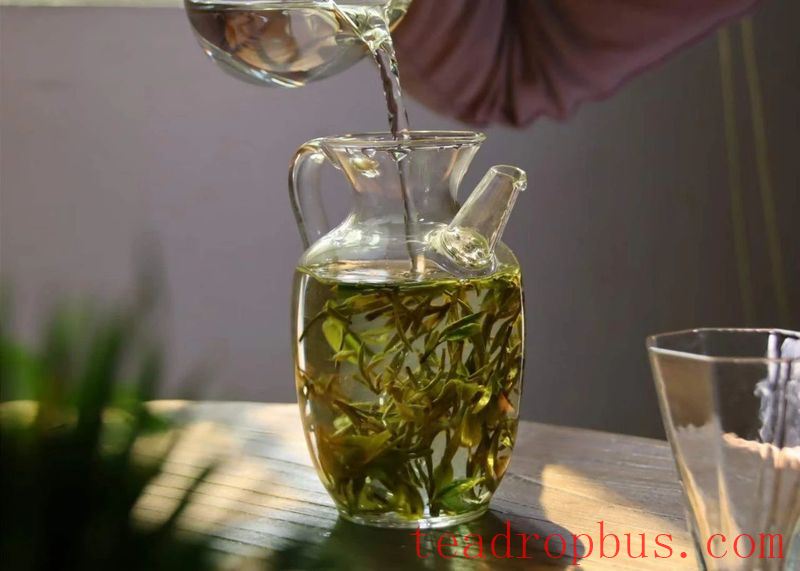
Tea leaves contain tea polyphenols, which have anticancer properties, tea polysaccharides that can lower blood Sugar, caffeine that stimulates the central nervous system, as well as various amino acids, vitamins, and other nutrients. How much of these nutrients are released depends significantly on the number of steepings. Generally, the larger the particle size of the tea leaves, the slower the release of nutrients; the smaller the particles, the faster the release.
By the fifth or sixth steeping, most of the beneficial compounds in the tea have been extracted, and the aroma of the tea soup gradually diminishes, becoming bland. However, the bitter components in the tea will also start to be released, resulting in a poor taste, so further steeping has little meaning.
In addition, if tea is steeped for too long, even overnight, and not stored properly, the tea can spoil. The small amount of carbohydrates and proteins it contains can attract bacteria and mold, which is extremely harmful to health.
Therefore, when drinking tea in the future, never steep a pot of tea from morning till night. Steep and drink immediately to ensure health.
02 Why Can Some Teas Be Boiled?
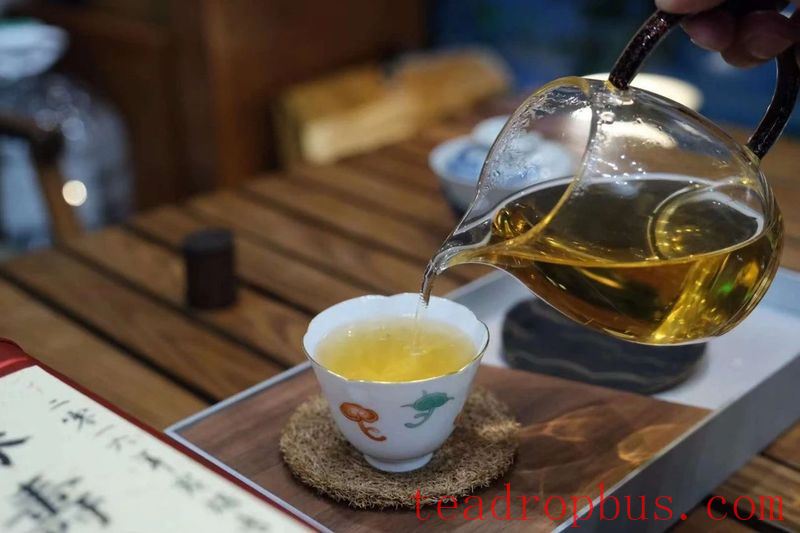
While tea leaves shouldn't be steeped for too long, some teas can be boiled, and the taste of the tea soup is better than when steeped. This is because different substances in tea have different boiling points. The water used for steeping tea is usually between 80-100 degrees Celsius, and at this temperature, the substances that dissolve in water are low-boiling-point substances. When tea is boiled, high-boiling-point substances are released, making the tea soup more aromatic and mellow.
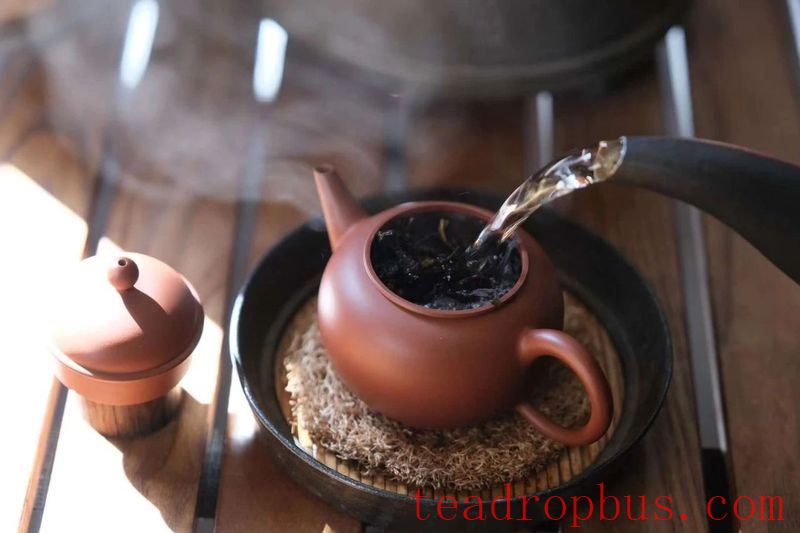
Additionally, British scientists found that compared to steeping tea with boiling water, boiling tea allows the release of more cancer-fighting substances, enhancing its anticancer effects. Boiling tea can also fully release substances like tea polyphenols, caffeine, and tea pigments, improving their ability to invigorate, reduce fat, and prevent diseases, greatly benefiting human health.
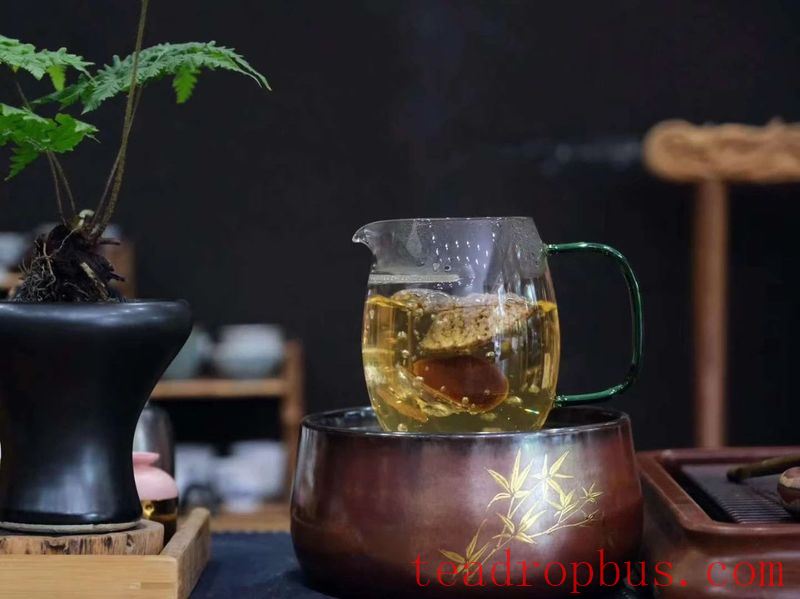
03 Which Teas Can Be Boiled?
Boiling tea has many benefits, but not all teas are suitable for boiling. Teas suitable for boiling are either heavily fermented or aged teas.
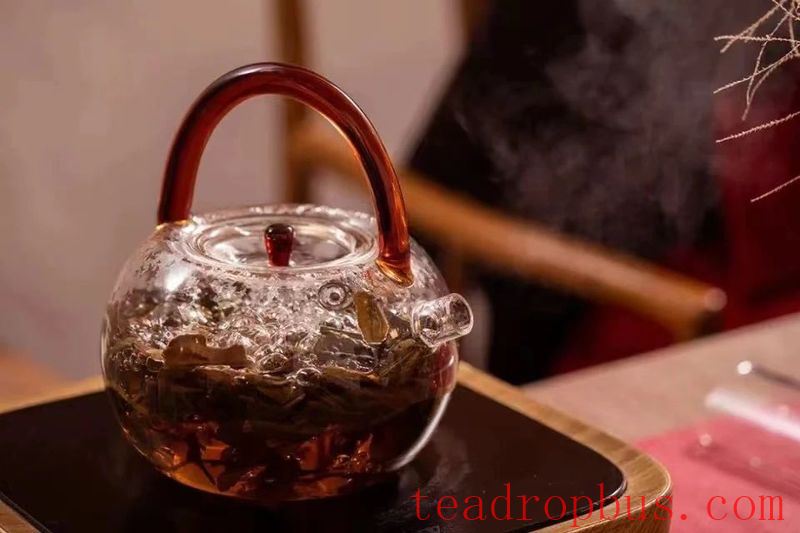
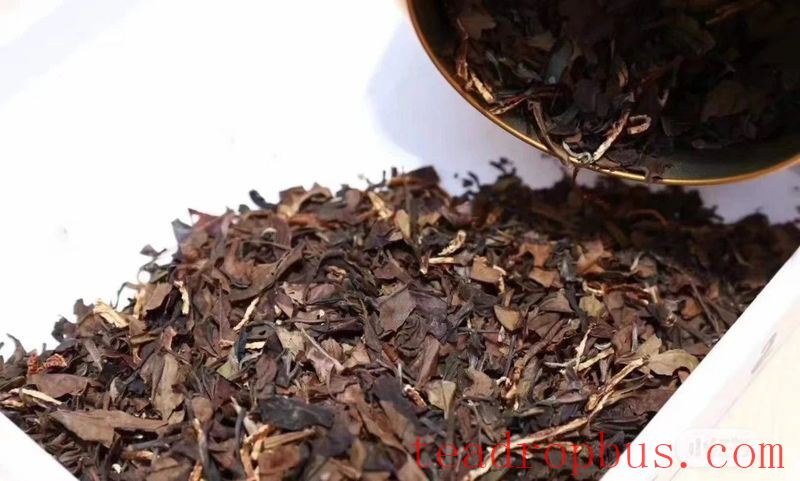
White Tea is a minimally fermented tea made from tender leaves with a lot of white down on the back, dried in the sun or over a gentle fire. However, aged white tea can be both steeped and boiled.
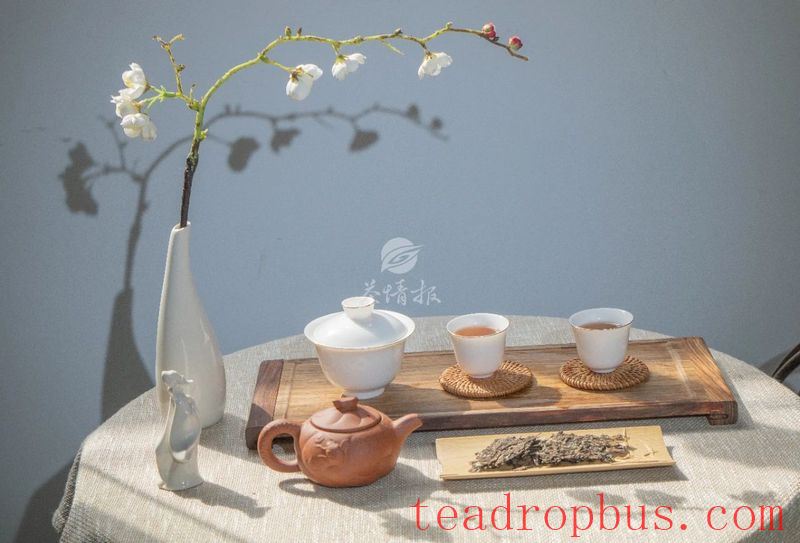
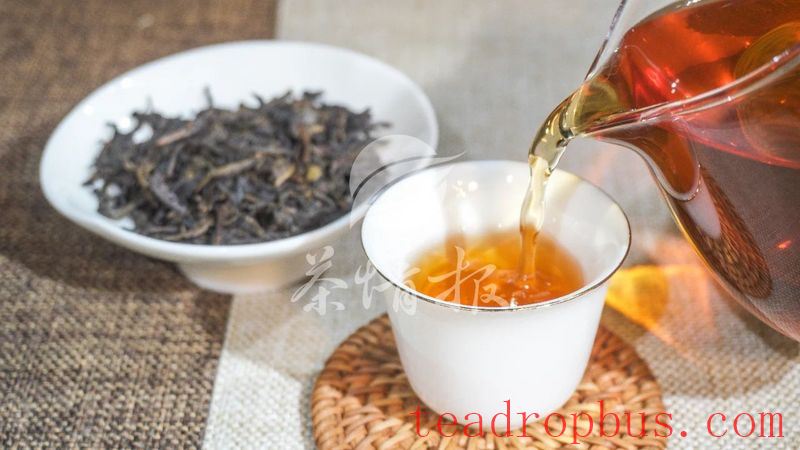
Dark tea (Hei Cha) is a post-fermented tea. Because the raw materials used are relatively old, and the processing involves a long period of heap fermentation, it has a rich aged fragrance and a thick flavor, with the tea soup often a dark brown color. Dark tea can be both steeped and boiled. Aged Pu'er can also be boiled.
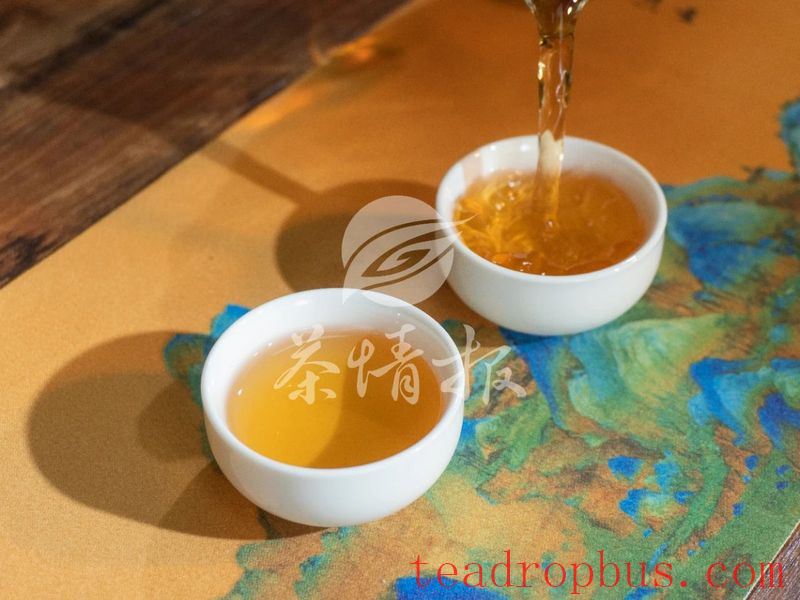
Black Tea
The most internationally popular type of tea, belonging to the fully fermented category. Black tea is suitable for both steeping and boiling.
Oolong Tea
Belongs to the semi-fermented category. Oolong tea combines the rich and fresh taste of black tea with the clear fragrance of green tea and can be boiled, but it should not be boiled for too long. Otherwise, the tea juice becomes too concentrated, affecting the taste of the tea soup.
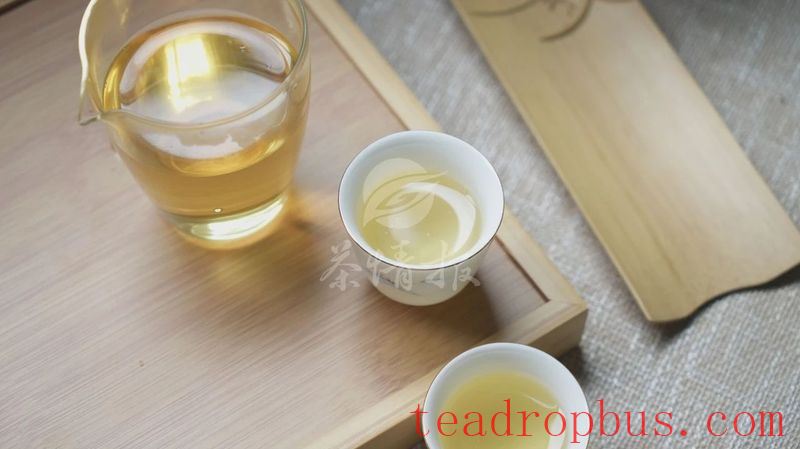
However, lightly fermented teas and unfermented green teas should not be boiled. These teas, due to their light fermentation degree, have their substances sufficiently released through steeping, and boiling them would be excessive. Boiling results in the tea leaves turning black, the tea soup becoming purple, and the taste becoming unbearable, making it undrinkable.
04 What Should You Pay Attention to When Boiling Tea?
Like steeping tea, there are many things to consider when boiling tea.
Firstly, the water temperature: For aged tea that has already been steeped, warm water is suitable for boiling. Using cold water to boil will significantly affect the taste of the tea soup. For tea that hasn't been steeped, rinse the tea leaves first, then add cold water and boil, making it easier to bring the tea to a boil.
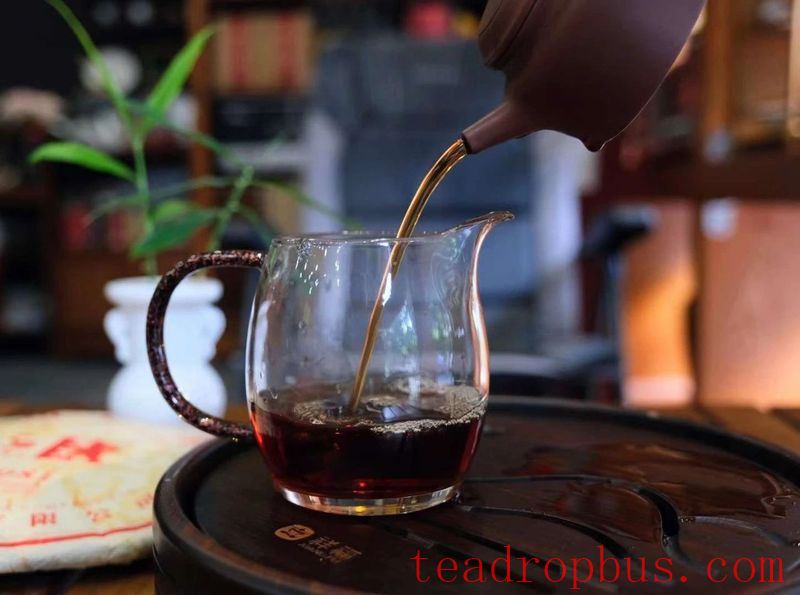
Secondly, the Teaware: The teaware for boiling tea must be clean, and the teapot should not be too small, otherwise, the small amount of water can cause issues.
The ratio of tea leaves to water should be appropriate when boiling tea. There shouldn't be too many tea leaves, as they will be boiled at high temperatures for a long time, so it's important to monitor the balance of the tea soup.
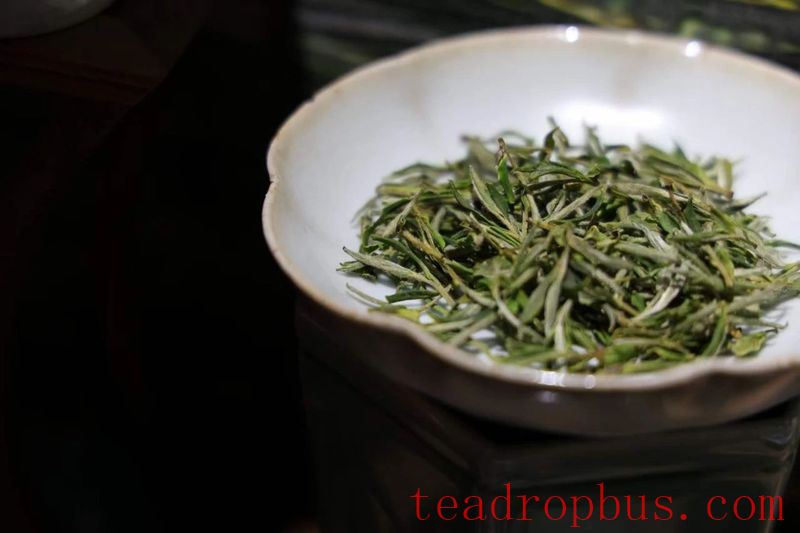
The trend of boiling tea originated in the Tang Dynasty and is a significant aspect of tea-drinking culture. The pros and cons of steeping versus boiling tea