When handling a Teapot for Tea drinking, lovers of tea always hope to have a good teapot in their hands. However, today's purple clay market is filled with illusions, and the complex and chaotic nature of the market confounds teapot enthusiasts.
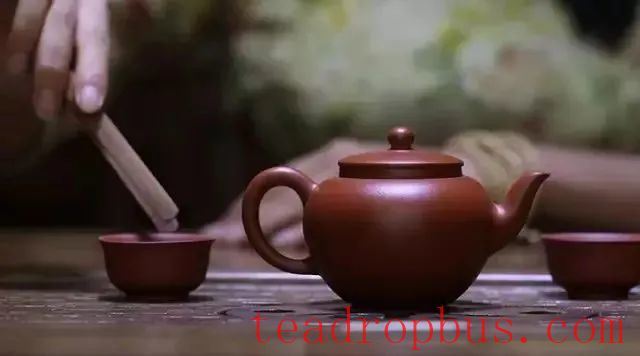
In the past, good teapots came at a good price; you couldn't buy a good teapot without spending money. But now, even if you spend a lot of money, you might not necessarily get a good teapot. The chaos in the purple clay market, along with the overuse of titles, makes it difficult for many teapot enthusiasts to make choices, and the artisans who create the teapots are also being dragged down by these poorly made items.
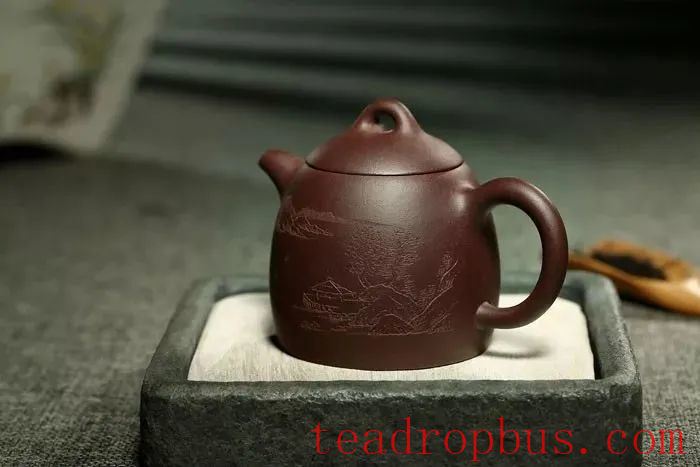
The selection, use, maintenance, and cleaning of a purple clay teapot involve specific knowledge and methods. These practical tips are the result of accumulated life experiences. Understanding this knowledge and mastering the correct methods can greatly enrich and improve one's tea artistry and appreciation of teapots.
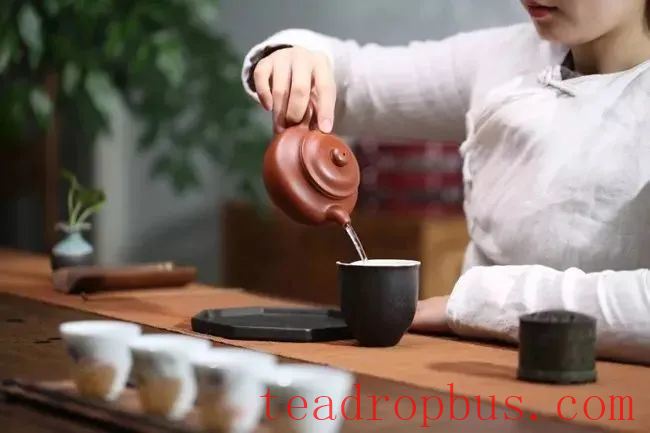
【 SELECTING A TEAPOT 】
To select a purple clay teapot, one must possess some knowledge about fine teapots.
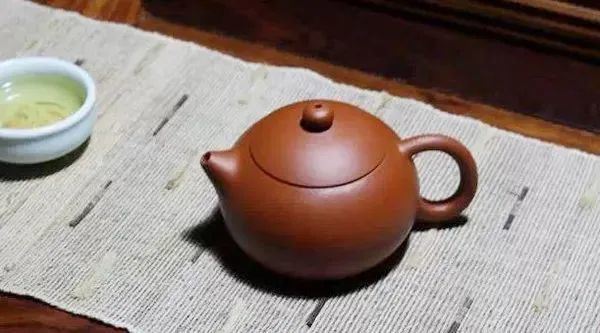
Purple clay teapots come in various sizes and styles, including round, square, imitation, ribbed, and handled teapots, as well as plain and decorative ones. They are made from red clay, purple clay, green clay, and duan clay. When selecting a teapot, pay attention to its size, shape, color, and engraving, ensuring they are suitable for your age and identity.
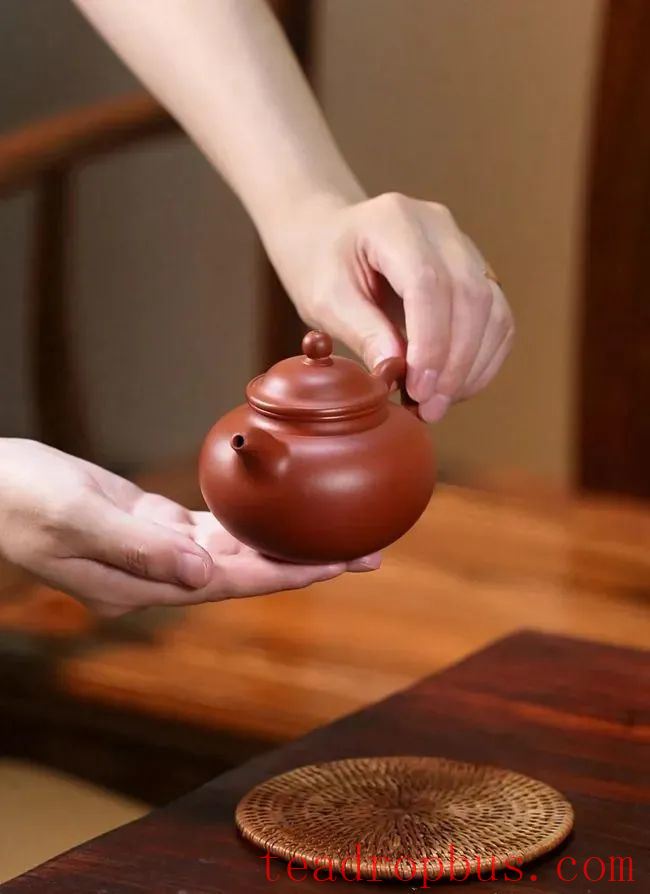
Then, examine whether the clay color of the teapot is pure and uniform, whether the edges and lines of the body are neat and distinct, and whether the lid fits snugly. Check for any damage or blemishes on the body of the teapot.
【 brewing THE TEAPOT 】
As stated in “The Classic of Tea,” hold the tea in your hand and wait until the water is poured into the teapot before adding the tea leaves. Cover the teapot and let it sit for a few minutes, allowing the tea leaves to sink to the bottom before drinking. This allows the aroma and flavor of the tea to be more fully released.

Teapots come in different heights, with taller teapots suited for brewing Black Tea and shorter teapots better for Green Tea.
Taller teapots have a higher body and a more closed lid, making them ideal for brewing black tea. Since black tea undergoes fermentation during processing, using a taller teapot allows for deeper infusion, which fully develops the tea leaves, aroma, and color, resulting in a richer and more fragrant brew.
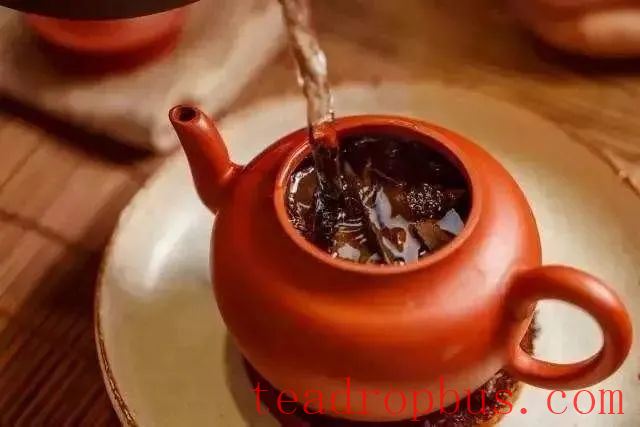
Shorter teapots have a lower body and a slightly wider lid, making them suitable for brewing green tea. Since green tea does not undergo fermentation during processing and its chlorophyll remains intact, it should not be steeped for too long. Using a flatter and shorter teapot to brew green tea ensures that the tea is poured out while still clear, fresh, and pure, with excellent color, aroma, and taste.
【 NOURISHING THE TEAPOT 】
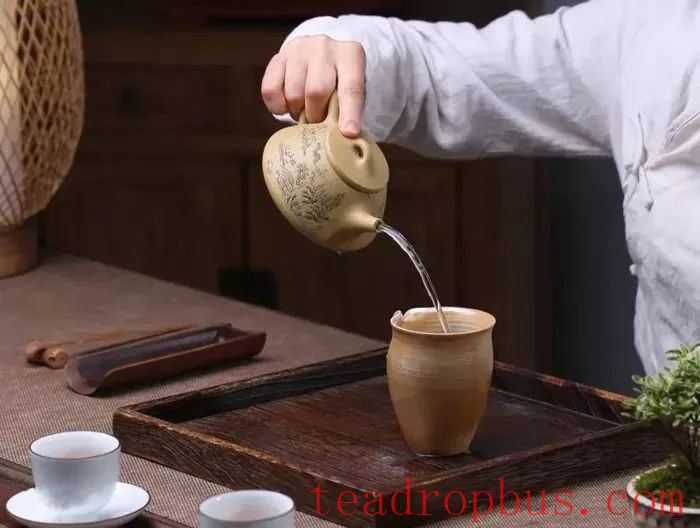
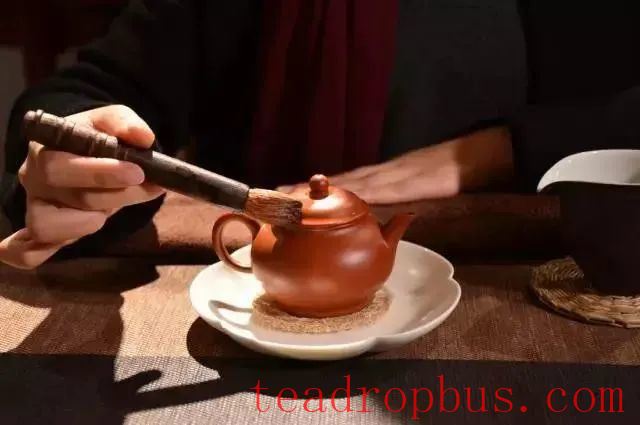
Massaging a fine purple clay teapot with your hands is known as “nourishing the teapot.” In Yixing, this practice is commonly referred to as “polishing the teapot.”
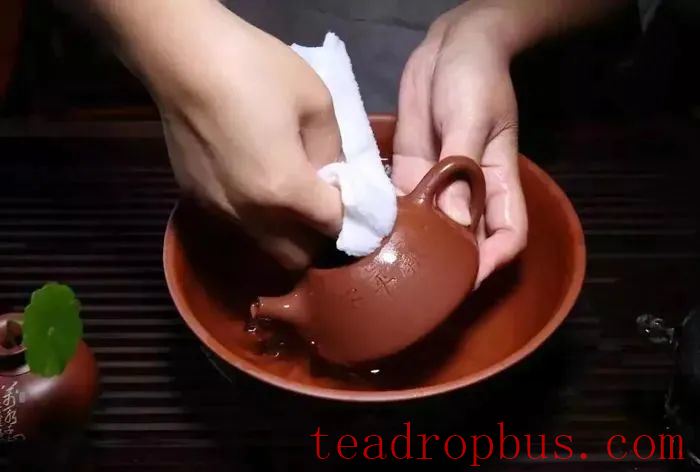
Since ancient times, lovers of teapots have kept them in their hands, rubbing and cherishing them thousands of times a day. Some use a cloth to polish the teapot. After boiling water has been used to brew tea in a teapot, extremely fine tea juices seep out onto the surface, invisible to the naked eye. Wiping the body of the teapot back and forth with a wet cloth over time will make the surface delicate, glossy, smooth, and bright, giving a comfortable tactile sensation.

Zhou Gaoqi, in his work “Yangxian Minghu Xi” (The System of Yangxian Teapots), wrote: “After a teapot has been used for a long time and cleaned daily, it naturally emits a lustrous sheen and becomes reflective when held in the hand.”
When massaging the teapot with your hands, start from the top and move downwards, or from left to right, applying only enough pressure to feel a slight sensation. Over time, the clay of the teapot becomes increasingly refined, acquiring a smooth and silky texture like satin. The number of times you nourish the teapot should be three to five rubs before each tea brewing session to achieve mental tranquility and enhance the tea experience.
【 CLEANING THE TEAPOT 】
Yixing purple clay teapots have a larger pore structure and strong adsorption properties, making them resistant to souring when used for brewing tea. Based on this characteristic, ordinary tea should be cleaned immediately after brewing. If high-quality named teas are used in the teapot, they can be stored within the teapot and thoroughly cleaned at a later time.
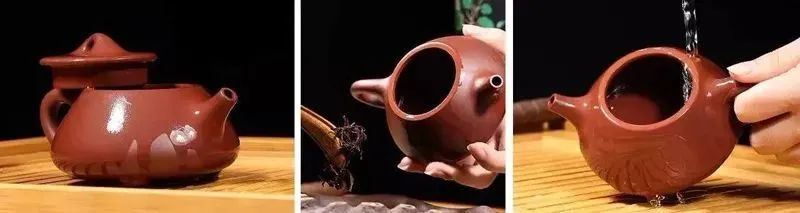
In Yixing, teapots are not washed by hand but rather through a method where, if the teapot has not been used for a long time and has developed an off-flavor, it is simply soaked in boiling water and then rinsed with cold water to remove the odor. Before using a newly purchased purple clay teapot, it must first be opened and prepared, and then it can be used.
A purple clay teapot is originally a type of earthenware that prevents the flavor of tea from dissipating and resists souring during hot summers. Through generations of use, the cultural significance of these teapots has grown richer. Through the “vessel” of the purple clay teapot, we can discover, trace, and explore its cultural connotations, elevating it to a level of “philosophy.”
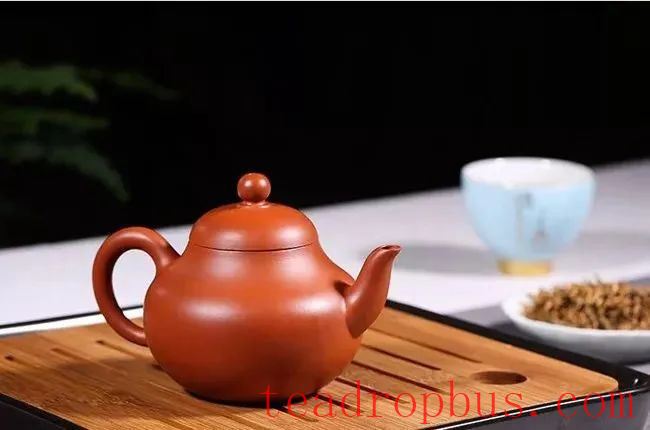
A purple clay teapot comes to life through the skilled shaping and carving of masters; behind these teapots of varied shapes and forms lies the extraordinary talent and spirit of the folk artisans who created them.
If there are any copyright issues, please contact us to remove them.