The reasons for not drinking the first infusion of Tea.
The first infusion of tea is often referred to as “wash water,” and many tea enthusiasts pour it out without drinking it.
Some believe that pesticides are sprayed on tea plants during growth, and after being processed into tea leaves, these may leave pesticide residues. Therefore, pouring out the first infusion is a health consideration.
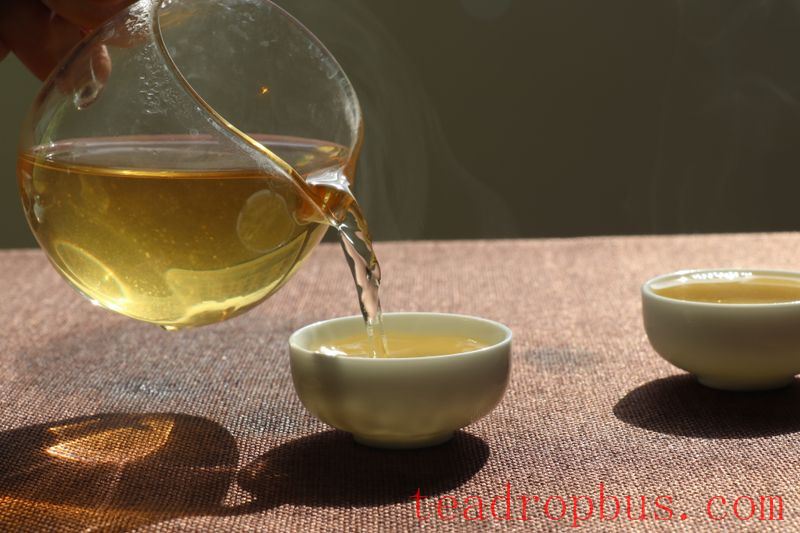
Others think that dust can accumulate on the tea leaves during production, transportation, and storage, and washing the tea serves to remove this dust.
Furthermore, some say that the first infusion doesn't fully awaken the dry tea leaves, so fewer of its inherent substances are released, making it less flavorful.
To drink or not to drink the first infusion of tea
Whether to drink the first infusion of tea is not regulated and depends entirely on personal preference.
I usually don't pour out the first infusion for most teas because they are made up of substances that release in abundance with each steeping. So for most tea varieties, I wouldn't pour it out, from the first to the last infusion, to fully experience the subtle changes in flavor and aroma; every infusion is worth savoring.
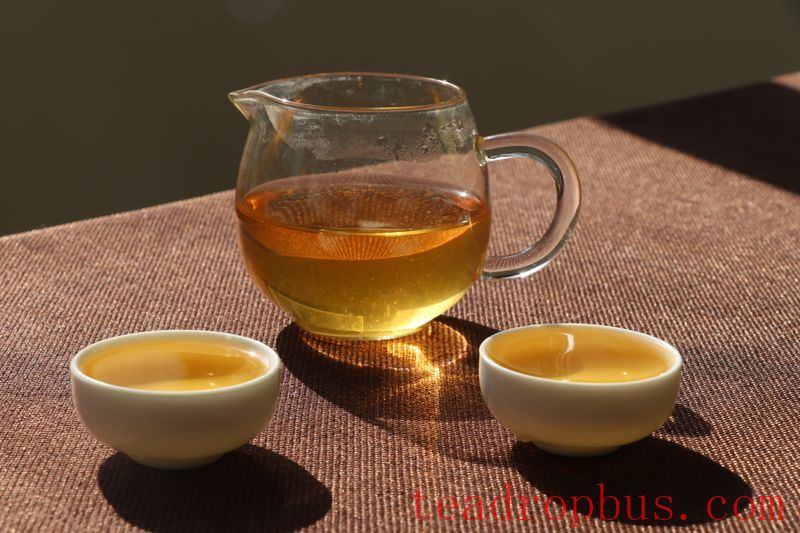
However, for aged teas such as Pu'er, aged White Tea, and dark tea, it's recommended to wash them once. These teas have been stored over long periods, and their internal substances are in a dormant state, so the first infusion might not be optimal.
In this case, “washing the tea” is more accurately described as “waking the tea.” This process helps to awaken the tea leaves, revitalizing their inherent vitality and enhancing the release of flavors and aromas.
Some say the main purpose of washing tea is to remove pesticide residues and impurities.
Modern tea-making techniques have undergone numerous iterations and improvements. The production environment is clean and dust-free, and the tea undergoes multiple rounds of machine sorting as well as strict pesticide residue testing. As a result, most commercially available teas are of good quality and meet standards.
Especially for high-altitude tea trees or wild-grown tea trees, which grow in favorable environments without much human intervention, pesticides are typically not used.
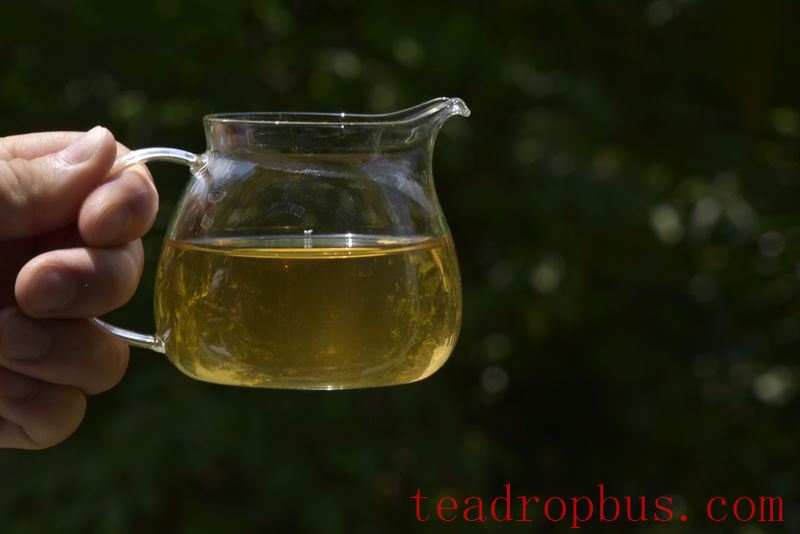
Therefore, there's no need to wash high-quality teas produced using proper methods.
For low-quality teas from small workshops or those lacking proper certification, washing won't effectively remove pesticide residues or impurities; it's merely a form of self-reassurance.
Whether to wash the tea or not, and whether to drink the first infusion, isn't an absolute decision.
For example, when welcoming guests or treating close friends and family to a Cup of tea, washing the tea once can be seen as a sign of respect and hospitality.
Ultimately, the act of drinking tea should be flexible and based on personal preference.
The true purpose of washing tea
According to Tu Long's “Miscellaneous Notes of Retirement” from the Ming dynasty: “When brewing tea, one should first Rinse the tea with hot water to remove any dust, dirt, and coldness. Brewing the tea afterwards will yield better results.”
The primary purpose of washing tea becomes clear: to stimulate the release of aromas and flavors and activate molecular activity, thereby fully showcasing the quality of the tea.
Based on this, more tea experts and industry professionals advocate using terms like “moistening the tea” or “waking the tea” instead of “washing the tea,” to convey a sense of nourishment and awakening.