Understanding Basic Knowledge About Green Tea
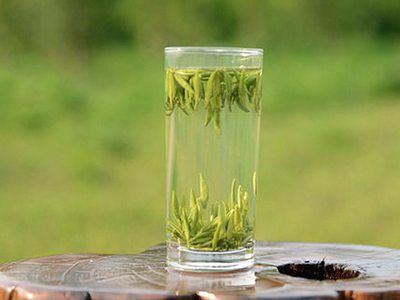
To brew a good cup of green tea, one must first understand the basics about it. Green tea is unfermented tea that retains the most original taste and nutritional components of the tea leaves. It contains rich antioxidants and various beneficial components that help improve immunity and fight aging. To brew a perfect cup of green tea, choosing high-quality green tea leaves and mastering the correct brewing techniques are very important.
(Image source from the Internet; please delete if infringing)
How to Select High-Quality Green Tea
To brew tasty green tea, selecting the right tea is key. There are many varieties of green tea available in the market, including Lung Ching (Dragon Well), Biluochun (Green Snail Spring), Mao Feng, and others, each with its unique aroma and flavor. When selecting green tea, consider the following points:
- Appearance: High-quality green tea has a neat appearance, bright green color, and fine hairs on the surface. The younger the tea leaves, the higher the quality.
- Aroma: Fresh green tea has a refreshing fragrance without any off or stale odors.
- Taste: High-quality green tea has a fresh and brisk taste with a sweet aftertaste. If possible, try tasting before purchasing.
The Correct Steps for Brewing Green Tea
Brewing green tea may seem simple, but to achieve the best flavor, some techniques need to be mastered. From selecting water, controlling temperature, to brewing time, every step is crucial.
Selecting the Right Water
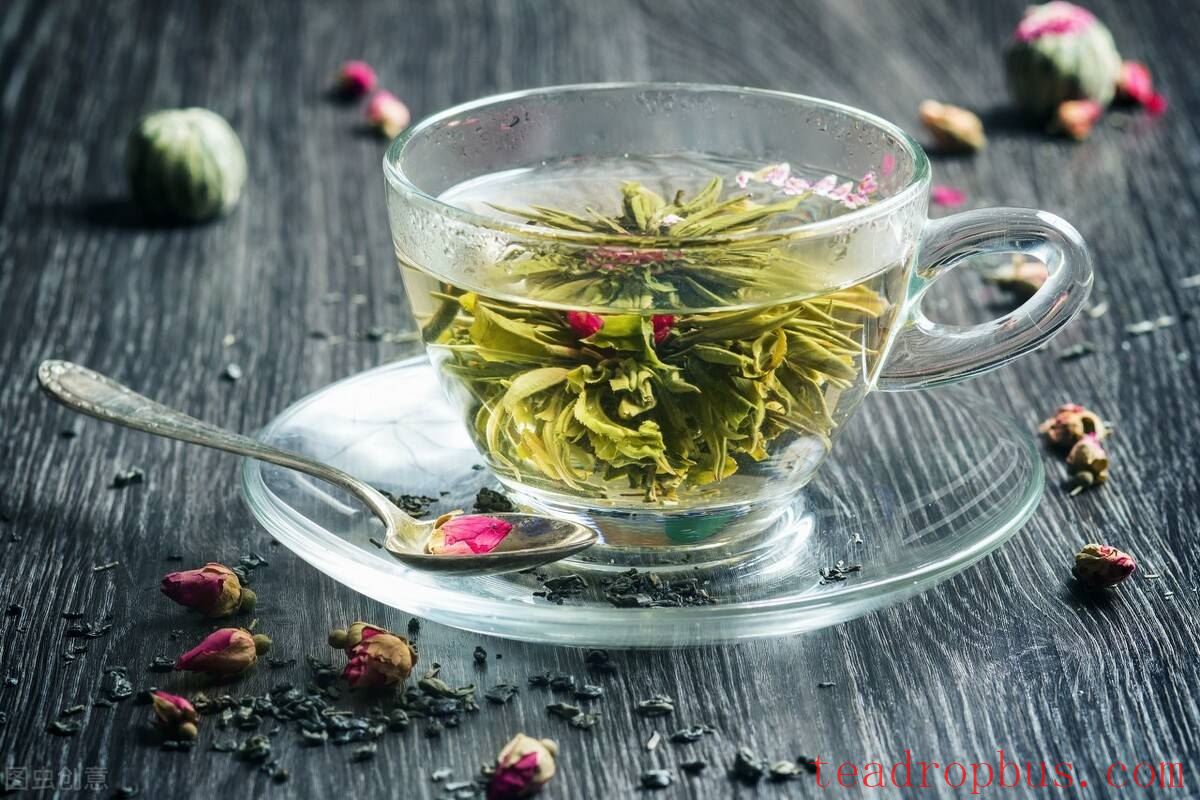
Water is key in tea brewing, and the quality of the water directly affects the taste of the tea. For brewing green tea, soft water is preferred, such as mineral water or purified water. If using tap water, it's recommended to filter it first. Impurities and hardness in the water can affect the clarity and taste of the tea.
(Image source from the Internet; please delete if infringing)
Controlling Water Temperature
Green tea is very sensitive to water temperature. Too high a temperature can destroy the nutrients in the tea leaves, while too low a temperature fails to fully release the tea's aroma. Generally, the ideal water temperature for brewing green tea is between 80°C-85°C. You can boil the water first, then let it sit for a few minutes to cool down to the appropriate range.
Amount of Tea and Tea-to-Water Ratio
The amount of tea used and the tea-to-water ratio directly influence the strength of the tea. Typically, the amount of tea used per brewing is around 3 grams, with a tea-to-water ratio of approximately 1:50. Adjustments can be made based on personal preference, but avoid using too much or too little to prevent affecting the taste of the tea.
Brewing Time
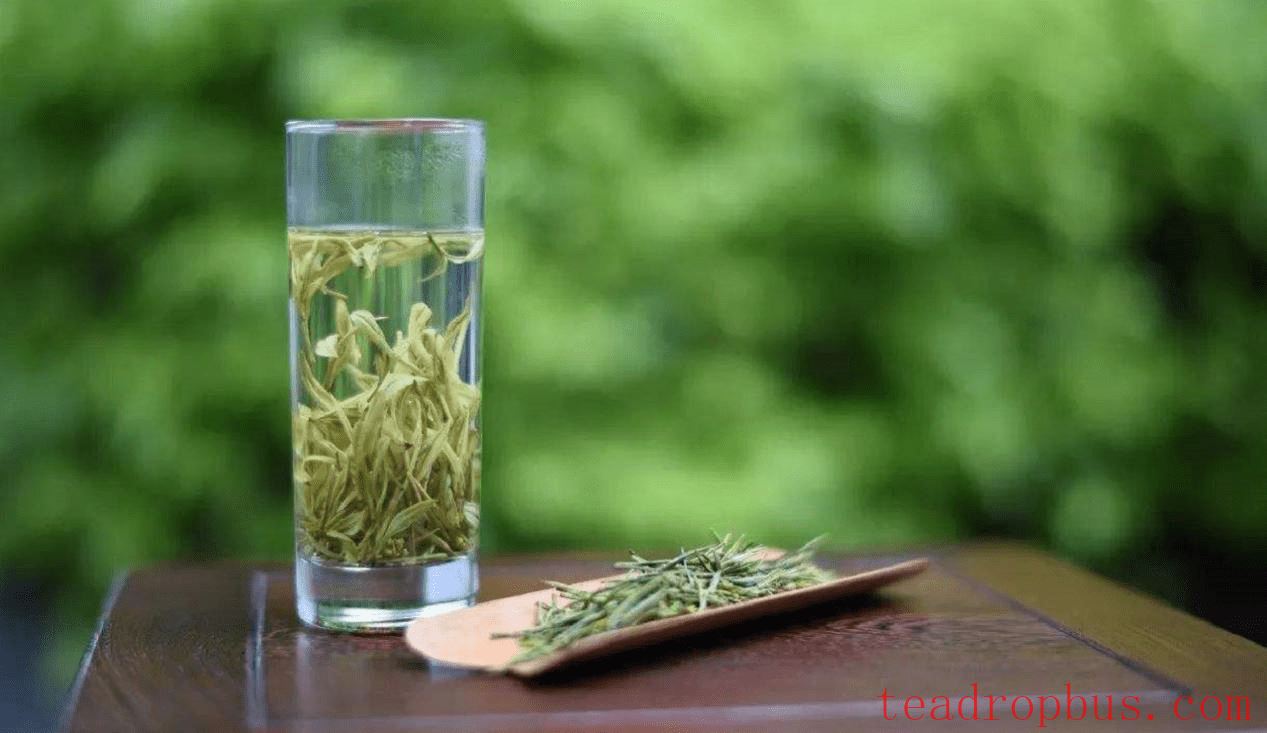
The brewing time for green tea should not be too long, generally around 1-2 minutes. Longer brewing times can make the tea bitter and affect the taste. The first infusion can be slightly shorter, while the second and third infusions can be slightly longer, but should not exceed 3 minutes.
(Image source from the Internet; please delete if infringing)
Detailed Steps for Brewing Green Tea
- Warming the Teaware: Rinse the teaware with hot water to warm it up and remove any lingering odors.
- Adding the Tea: Place an appropriate amount of green tea leaves into the teacup or teapot.
- Pre-soaking the Tea: Pour a small amount of hot water over the tea leaves and quickly discard it. This step, known as pre-soaking, washes away dust from the tea leaves and awakens them.
- Brewing: Pour hot water over the tea leaves again, with a temperature between 80°C-85°C, ensuring the water covers the leaves, and cover the teapot.
- Steeping: Let the tea steep for 1-2 minutes to allow the tea leaves to fully unfurl and release their aroma.
- Serving: Pour the tea into a pitcher or communal cup and evenly distribute it among individual cups to ensure consistent flavor.
Storage Methods for Green Tea
To maintain the freshness and aroma of green tea, proper storage methods are also essential. Green tea should be stored in a sealed container to prevent moisture and absorption of unwanted odors. It's best to store green tea in a cool, dry place, and sealed bags or containers are good choices. If possible, storing green tea in the refrigerator is recommended, but be sure to prevent the tea from absorbing moisture.
Brewing Methods for Different Types of Green Tea
Different types of green tea have different brewing methods. Below are the brewing methods for several common types of green tea.
Lung Ching (Dragon Well) Tea
Lung Ching is one of the most famous green teas, with a delicate fragrance and fresh, brisk taste. When brewing Lung Ching tea, control the water temperature at around 80°C, use about 3 grams of tea, and brew for 1-2 minutes. You can start by pouring a small amount of hot water to pre-soak the tea before the main brewing.
Biluochun (Green Snail Spring) Tea
Biluochun has delicate, tender tea leaves and a rich aroma. When brewing Biluochun, the water temperature can be slightly lower, controlled between 75°C-80°C. Use about 2 grams of tea and brew for about 1 minute. Use a transparent glass cup to appreciate the beautiful unfolding of the tea leaves in the water.
Mao Feng Tea
Mao Feng, also known as Huangshan Mao Feng, has delicate, tender tea leaves and a delicious taste. When brewing Mao Feng tea, control the water temperature between 80°C-85°C, use about 3 grams of tea, and brew for 1-2 minutes. Use a segmented brewing method, first pouring one-third of the hot water to moisten the tea leaves, then adding more hot water.
Conclusion
Brewing green tea is an art that requires patience and care. By using the correct methods, you can maximize the aroma and taste of the tea leaves and enjoy the Health benefits of green tea. Hopefully, this article will help you master the techniques for brewing green tea so that every cup becomes a delightful experience. Whether enjoying tea alone or sharing it with friends, brewing a good cup of tea is always a wonderful life experience.