When learning about purple clay, if we have the opportunity to consult experienced masters in person, that is certainly ideal. However, most often, we learn by discussing with a few fellow enthusiasts and listening to their conversations. At such times, without some knowledge of professional terms related to Teapot structures, it can be quite confusing.
Today, I'll create a basic post to analyze the structure and form of purple clay Teapots, listing detailed professional terminology for each part, hoping to be helpful to new enthusiasts.
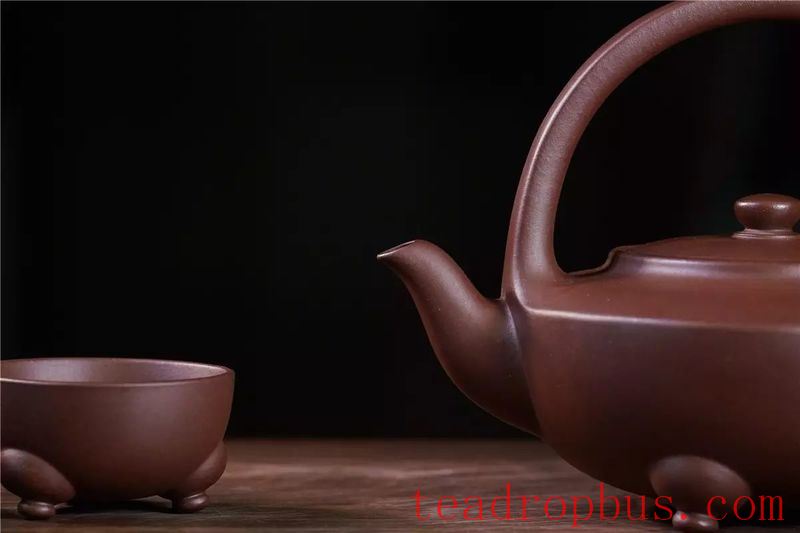
The Structure and Form of Purple Clay Teapots
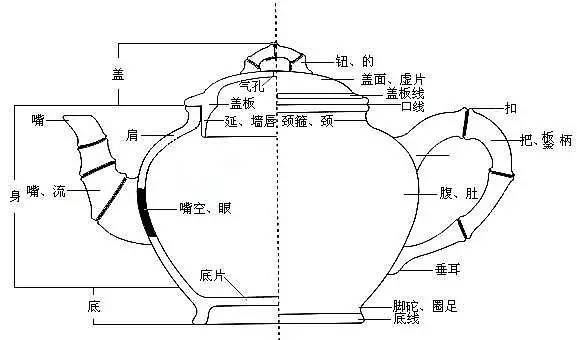
What do we mean by the “main body” and “accessories” of a teapot?
The distinction between “main body” and “accessories” refers to the structure of a Purple Clay Teapot.
The spout, lid, mouth, neck, shoulder, belly, foot, base, spout, and handle are all parts of the whole teapot. The knob, lid, mouth, neck, shoulder, belly, foot, and base, which are centrally located, are referred to as the main body of the teapot. The spout and handle, positioned on either side, are called the accessories of the teapot's structure.
The Basic Shapes of the Teapot Body
Spherical Shape
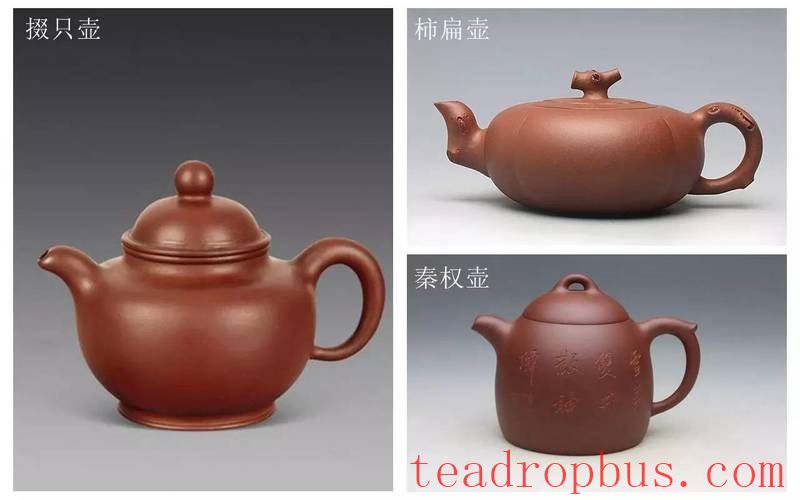
Square Shape
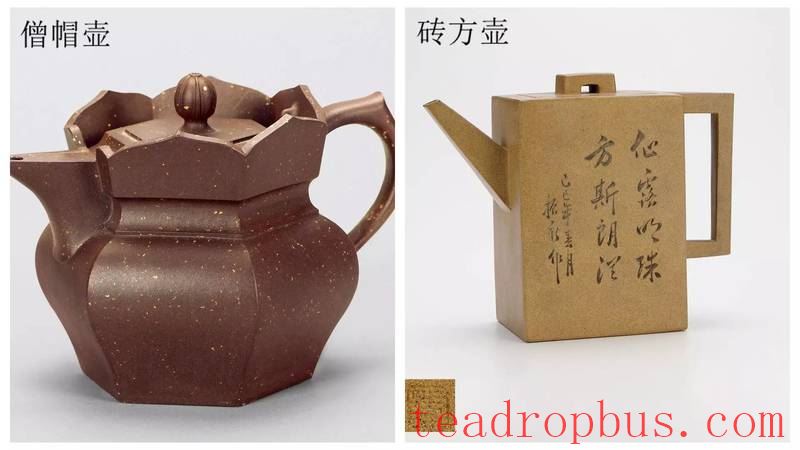
Cylindrical Shape
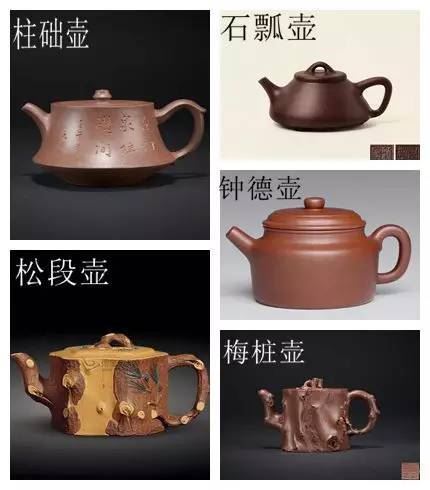
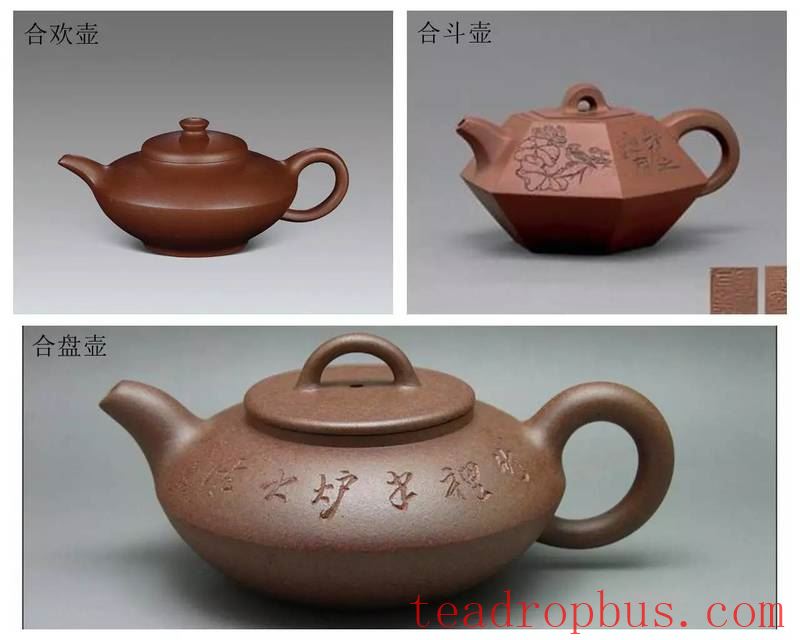
Bowl-like Shape
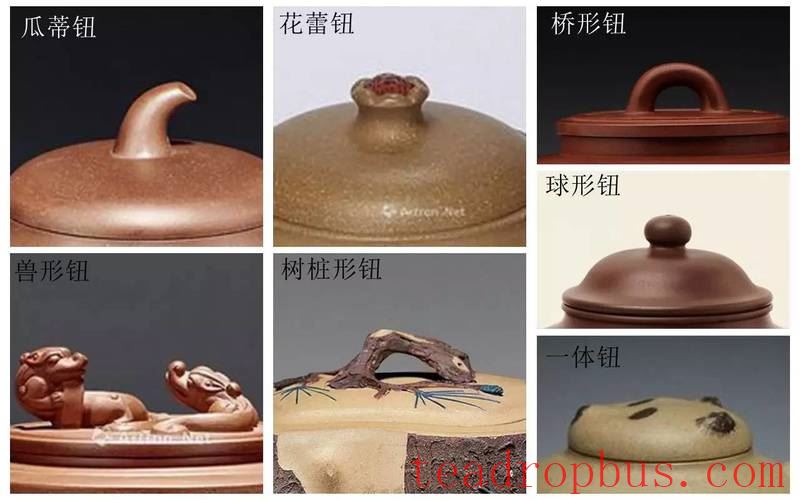
Traditional Styles of Teapot Knobs
The knob of a purple clay teapot, also known as the “button,” is designed for lifting the lid. Common styles include spherical, bridge, animal, melon handle, tree stump, integrated, and others. A conical air hole that is larger inside and smaller outside is typically found at the top or bottom side.
Styles of Teapot Lids
The joining of the lid and the mouth can take several forms: press-fit, inset, cut-off, and cover.
Press-Fit Lid
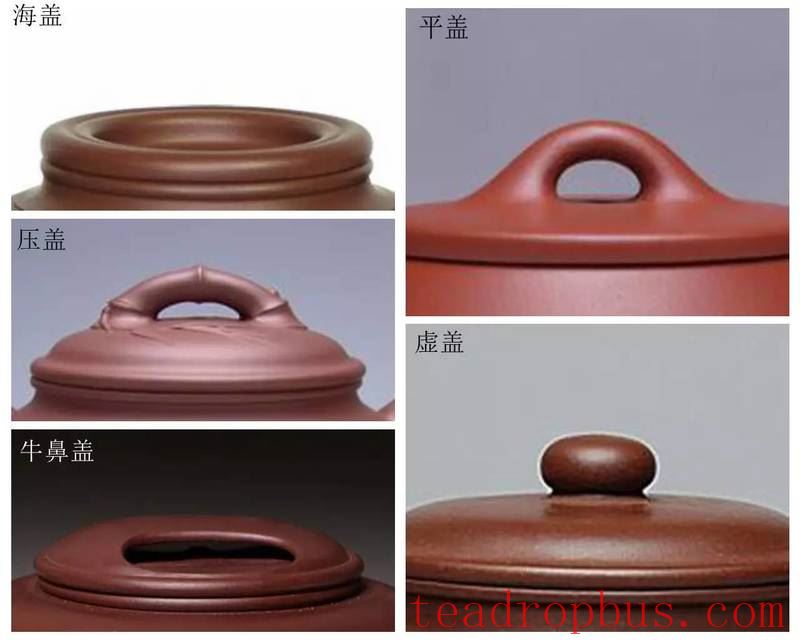
Inset Lid
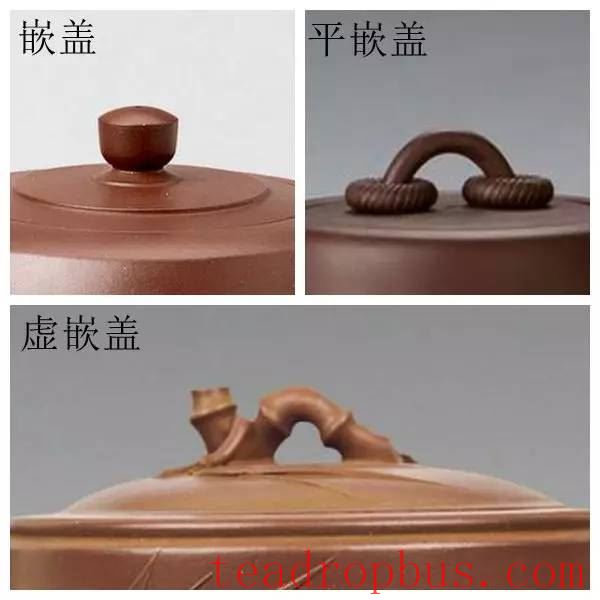
Cut-Off Lid
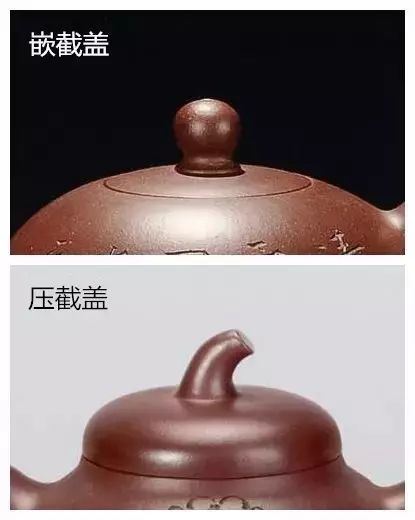
Styles of Purple Clay Teapot Spouts
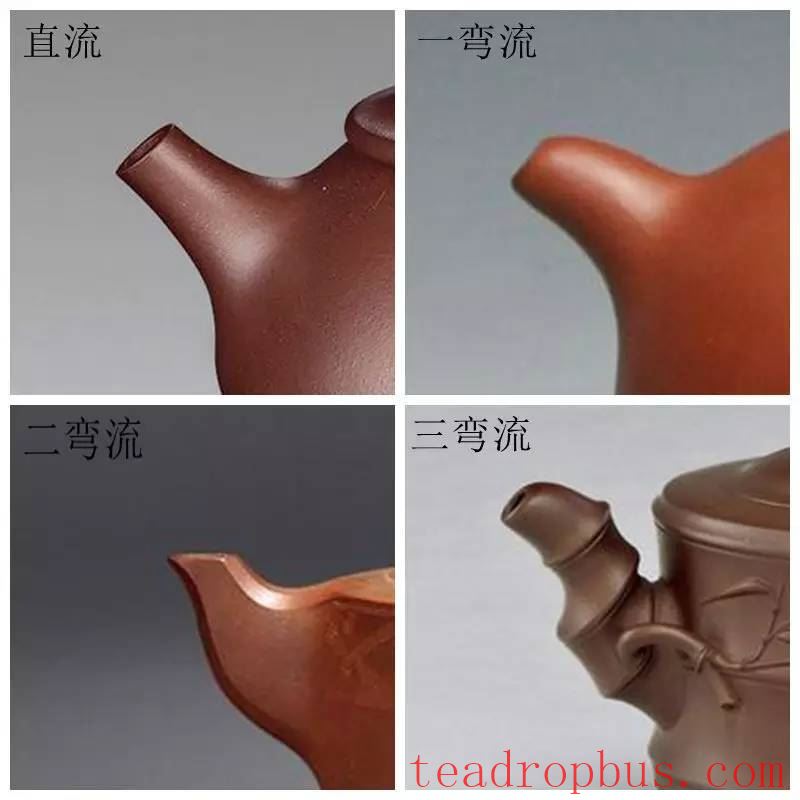
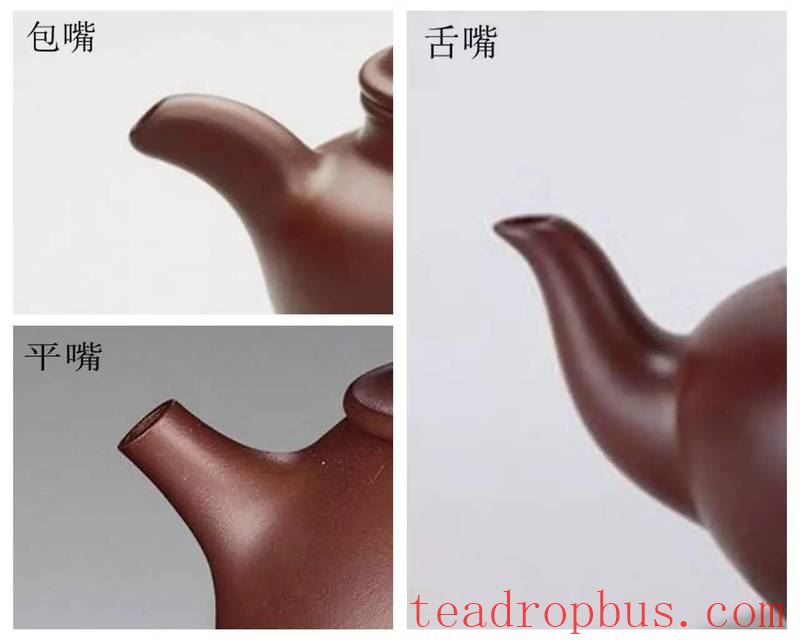
Styles of Spout Mouths
The outlet at the end of the spout is called the “mouth.” Common styles include flat, wrapped, and tongue-shaped.
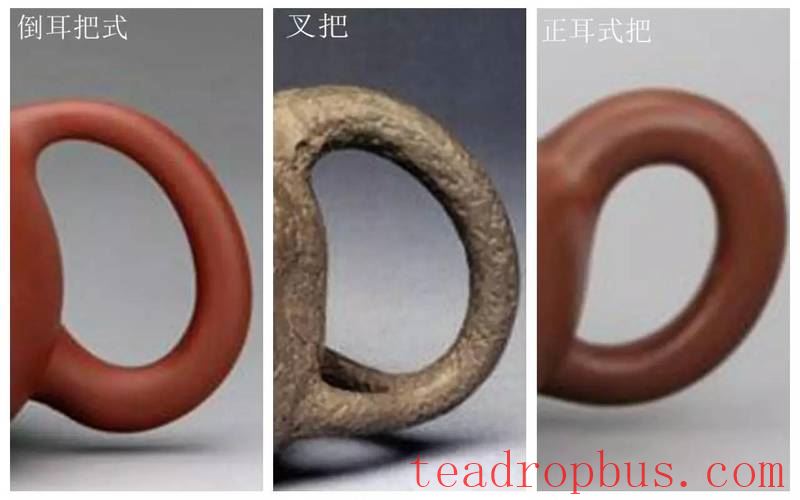
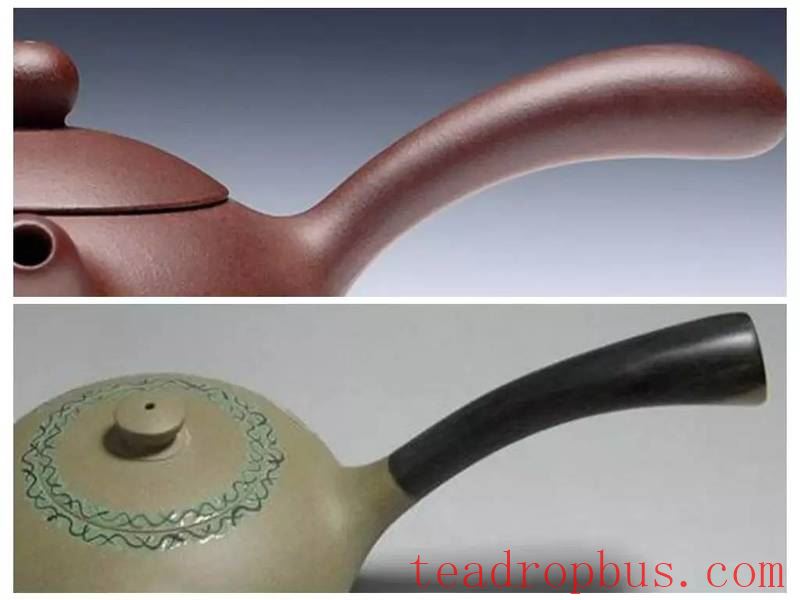
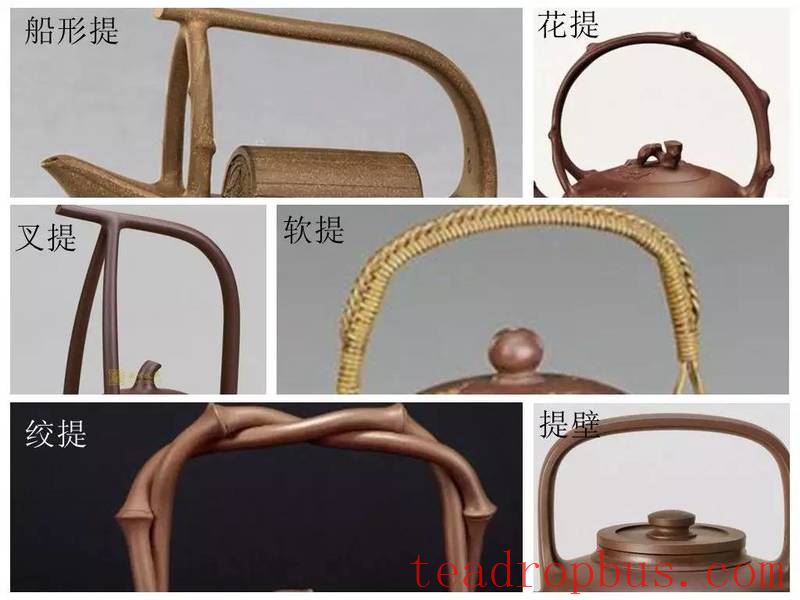
Main Styles of Teapot Handles
Terminal Handle
Horizontal Handle
Lifting Handle
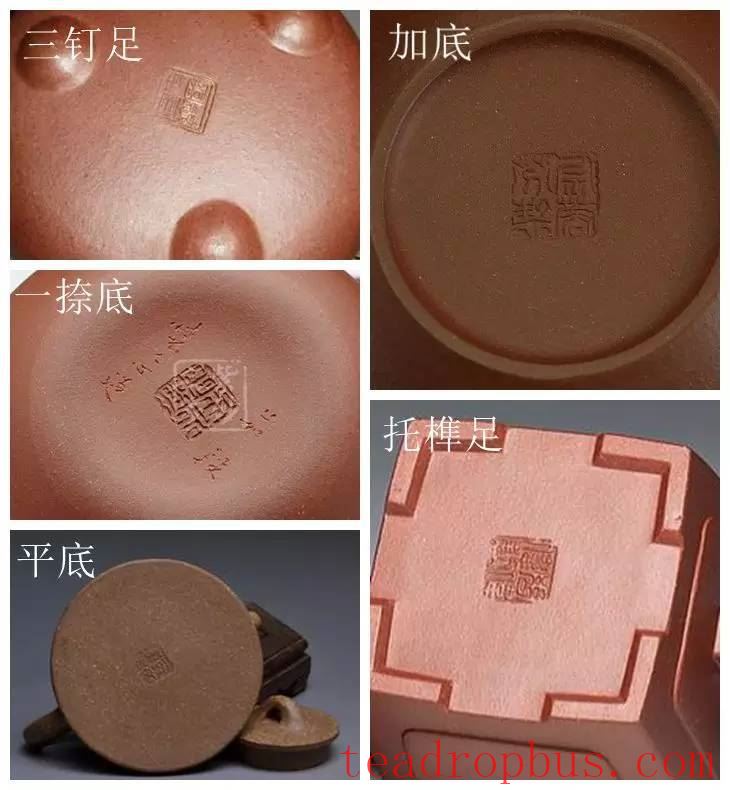
Styles of Teapot Bases
For a teapot to form a coherent whole, different components must express the same, similar, or contrasting themes. The expression cannot be randomly assembled or done without thought.
If there are any copyright issues, please contact us to remove them.