Pu'er Tea is easy to buy, but storing it properly is a different matter. When people say Pu'er tea is easy to store, they mean that the storage conditions are relatively easier to achieve compared to other types of tea, but it doesn't mean you can just leave it anywhere. Some tea enthusiasts have improperly stored their tea, resulting in good tea being spoiled, which is quite regrettable.

When storing Pu'er tea, there are three main points to consider:
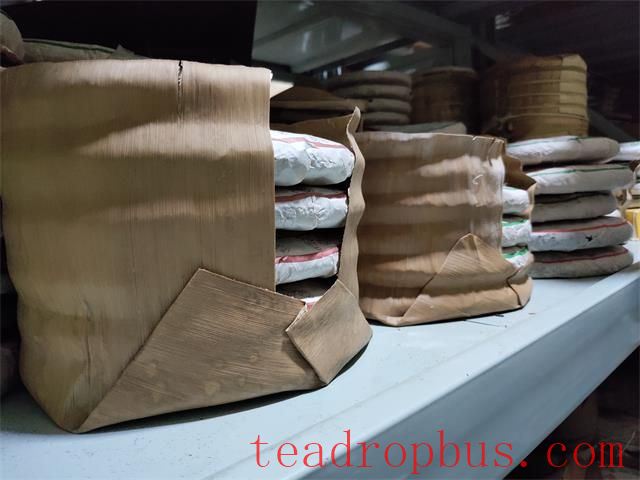
1. Circulating Air
According to He Shihua, Vice President of the Pu'er Tea culture Research Association in Simao City, Yunnan Province, circulating air contains more oxygen, which is beneficial for the proliferation of some microorganisms in the tea, thus accelerating its transformation. It's important to ensure that the surrounding environment has no odors, as the tea can absorb them and change flavor.
2. Constant Temperature
What temperature should Pu'er tea be stored at? The temperature where Pu'er tea is stored should not be too high or too low; it should be based on the local environment, without the need to artificially create specific temperatures. A normal indoor temperature is fine, ideally kept between 20-30 degrees Celsius throughout the year. Higher temperatures can cause the tea to ferment too quickly and become sour. Regardless of the season, Pu'er tea should not be exposed to direct sunlight and should be kept in a cool place. The changes in Pu'er tea tend to be faster during spring, summer, and autumn compared to winter.
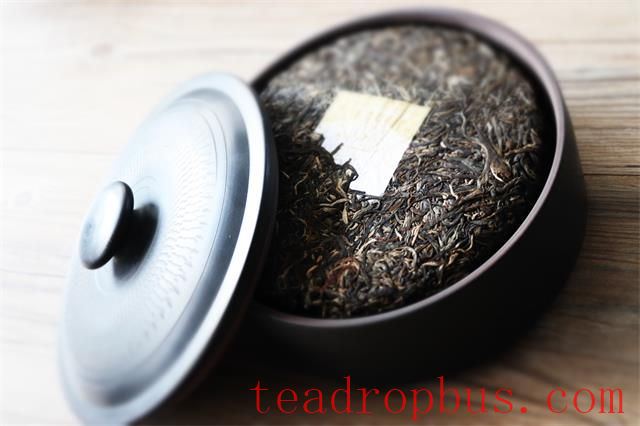
3. Moderate Humidity
How should Pu'er tea be stored regarding humidity? “Nowadays, good Pu'er tea emphasizes ‘dry storage,' which means storing it in a dry environment, avoiding moisture,” says He Shihua. A very dry environment can slow down the aging process of Pu'er tea, so there needs to be some humidity. In a relatively dry environment, you can place a small Cup of water near the stored tea to slightly increase the humidity. However, an excessively humid environment can cause rapid changes in the tea, often leading to mold, making the tea undrinkable. Humidity should be controlled within certain limits; the annual average humidity should not exceed 75%. In coastal areas with warm marine climates, the humidity may rise above 75% during the plum rain season, so it's essential to open windows and ventilate the area to reduce moisture.