The Puer tea production techniques, also known as the tribute tea production techniques, have been formed through thousands of years of practice. The basic process largely consists of: worshipping the tea god, selecting raw materials, withering and sun-drying after fixation, steaming and pressing into various finished tea products. The traditional Puer tea tribute techniques are rich in historical and cultural connotations and unique production processes. They have strong folk characteristics, unique craftsmanship, and rich and visually appealing products. These have played a significant role in shaping the Puer tea brand and promoting the development of the tea industry. They are a treasure of traditional culture within China's and the world's Tea culture heritage. In 2008, the Puer tea production techniques (tribute tea production techniques) were included in the second batch of national intangible cultural heritage lists.
I. Raw Material Puer Tea Production Process
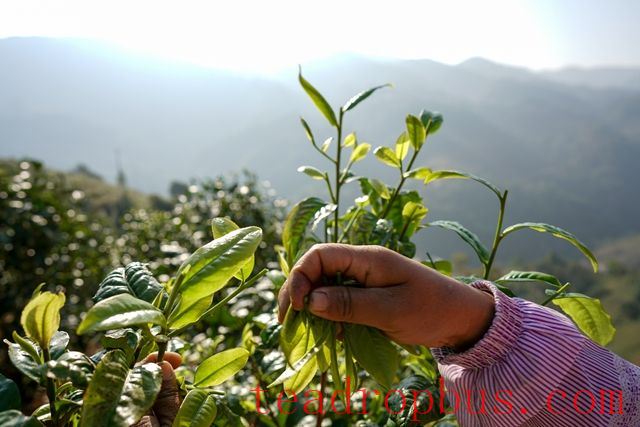
Picking: Choose an appropriate time for picking, generally between 9 am and 5 pm. The freshly picked leaves should be placed in bamboo baskets to avoid being crushed or rubbed, which could affect the quality of the tea.
Withering: Spread the freshly picked leaves on water sieves to allow the moisture to slowly evaporate. This process also helps the grassy aroma dissipate, making the leaves softer and their surfaces lose their luster. This process takes about 8-10 hours.
Fixation: Place the withered leaves in a drum fixer to quickly evaporate the moisture, soften the leaves, and increase the leaf temperature. This process takes about 2-3 minutes.

Rolling: Place the fixed tea leaves in a rolling machine to extract the tea juices and form the tea into strips. This process takes about 40 minutes.
Sun Drying: Spread the unblocked tea leaves out to dry in the sun, taking care not to expose them to direct sunlight, which could affect the quality of the tea.
Screening: Place the dried tea leaves in a bamboo sieve to remove impurities and broken pieces, ensuring the quality and taste of the tea.
II. Ripened Puer Tea Production Process
Picking Fresh Leaves: The production of Puer tea starts with picking fresh leaves. The picked leaves should come from large-leafed varieties grown in Yunnan Province, typically picked during spring or autumn. Care must be taken when picking to avoid damaging the tea trees and leaves, which could affect the quality of the tea.
Fixation: The picked leaves need to be fixed immediately to prevent further fermentation. Fixation involves using high temperatures to completely destroy the enzymes in the leaves, halting the oxidation reaction. Traditionally, Puer tea production involves fixing the leaves by stir-frying them in a Wok or exposing them to sunlight.
Rolling: After fixation, the tea leaves need to be rolled to release their juices, soften them, and facilitate contact between the enzymes and air, leading to more chemical changes. Rolling can be done manually or mechanically, with the duration and pressure adjusted according to the condition of the leaves and the requirements of the process.
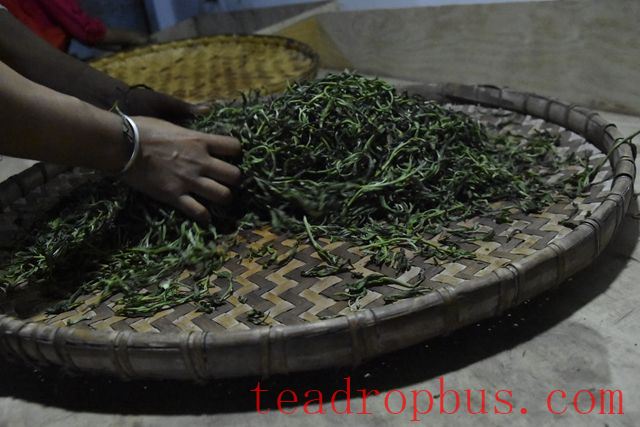
Fermentation: The rolled tea leaves need to undergo fermentation, which is one of the most important steps in Puer tea production. Traditionally, fermentation is achieved through natural piling. The leaves are piled under suitable temperature and humidity conditions to allow microorganisms and enzymes to ferment. It is essential to control the duration and temperature, as too long, too short, too hot, or too cool can all impact the fermentation results.
Drying: After fermentation, the tea leaves need to be dried to reduce their moisture content and prevent mold. Drying can be done naturally or through roasting. Natural drying requires a longer period and is suitable for initial Puer tea production. Roasting involves using machines or ovens to dry the leaves in a shorter time. The duration and temperature of roasting need to be controlled according to the condition of the leaves and the requirements of the process to ensure the tea does not spoil.
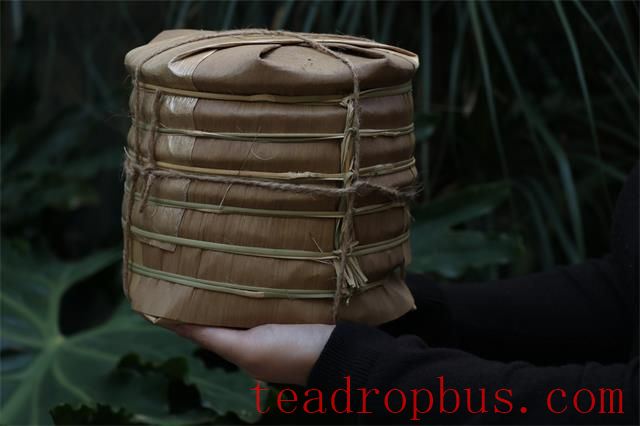
Pressing: There are two methods of pressing Puer tea: loose tea and tea cakes. Loose tea involves packing the dried Puer tea leaves directly into tea bags or bags for easy brewing. Tea cakes involve compressing the dried leaves into cake shapes for convenient storage and transportation. When pressing, it is necessary to choose appropriate machines and processes to ensure the quality and taste of the tea cakes.
Storage: Storing Puer tea is crucial as it affects the taste and quality of the tea. Puer tea should be stored in a well-ventilated, dry, dark, and odorless environment. The longer the storage time, the better the quality and taste of the tea.
III. Raw Puer Tea Production Process
Picking Fresh Leaves: The production of Puer tea starts with picking fresh leaves. The picked leaves should come from large-leafed varieties grown in Yunnan Province, typically picked during spring or autumn. Care must be taken when picking to avoid damaging the tea trees and leaves, which could affect the quality of the tea.
Withering: Spread the freshly picked leaves on water sieves to allow the moisture to slowly evaporate. This process also helps the grassy aroma dissipate, making the leaves softer and their surfaces lose their luster. This process takes about 8-10 hours.
Fixation: Place the withered leaves in a drum fixer to quickly evaporate the moisture, soften the leaves, and increase the leaf temperature. This process takes about 2-3 minutes.
Rolling: Place the fixed tea leaves in a rolling machine to extract the tea juices and form the tea into strips. This process takes about 40 minutes.
Sun Drying: Place the rolled tea leaves on bamboo sieves to dry, allowing the tea aroma and flavors to develop.
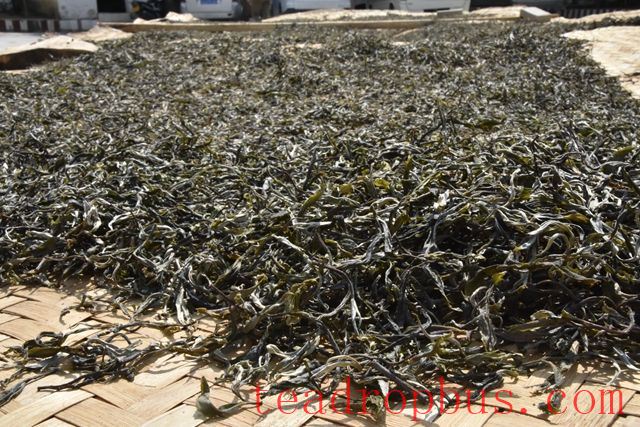
Steaming and Pressing: Steam the sun-dried tea leaves to soften them and then press them into different shapes, such as cake tea or tuocha.
Drying: Place the pressed tea in a drying room to remove excess moisture and off-flavors. This process takes about 7-10 days.
Aging: Store the dried tea in a cool, ventilated, dry, and odorless environment to age. The longer the storage time, the better the taste and quality of the tea.
Before 1938, Yunnan only produced sun-dried Green Tea. In 1945, steamed green tea appeared, and in 1964, rolling machines emerged, marking the beginning of the production of large-leafed roasted green tea in Yunnan. It can be inferred that, starting from 1964, traditional sun-dried raw tea was significantly impacted by modern civilization and new tea-making technologies, leading to a new approach to production. Traditional methods do not involve high-temperature stir-frying and drying, so the enzymes' activity is not entirely eliminated. As a result, the tea can continue to ferment and oxidize during the steaming and pressing process or during storage, producing a strong flavor and aroma that can be preserved for a long time. Unlike typical high-temperature stir-fried and dried green teas, which are sweet and tasty but can deteriorate quickly if not properly stored. The traditional sun-drying method is still used by many ethnic minorities in southern Yunnan today, resulting in a diverse range of tastes in the produced sun-dried raw tea. Moreover, the practice of slight fermentation during this process is a precursor to the modern Puer tea sprinkling and heap fermentation process.