The lively way of drinking games at banquets, like "One heart respect, brothers good, three stars shine, four seasons wealth, five chiefs first, six six smooth, seven clever, eight horses, nine interlocking, all come," is想必 (presumably) known to everyone. But do you know the meanings of "One Way, Two Realizations, Three Friends, Four Qi, Five Natures, Six Degrees, Seven Emotions, Eight Difficulties, Nine Aromas, Ten Virtues" in tea?
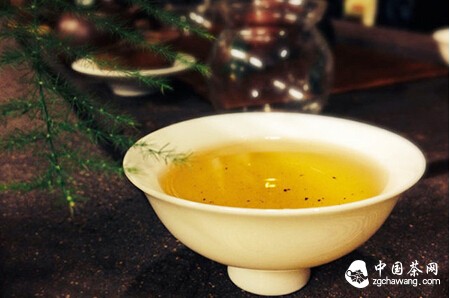
Tea has One Way:
The tea ceremony is like the way of life. Since ancient times, scholars and refined people have always compared savoring fine tea to savoring life, using the tea ceremony to reflect on the way of life.
Tea has Two Realizations:
A cup of tea, drunk, first gets its bitterness, then its sweetness. Life is also like this, first bitter then sweet. Drinking a cup of tea, picking it up, putting it down. Picking up is for survival, putting down is for life.
Tea has Three Friends:
Drinking tea is best with few guests. Tasting tea, one person gains spirit, two gain趣味 (interest/fun), three gain flavor.
Tea's Four Qi:
First is Vital Qi: Heaven and earth become clear, life becomes active, mood becomes tranquil, the meaning of vital Qi is great;
Second is Spiritual Qi: Tea Qi must not only be lively but also fresh and alive, with a flowing feeling, called spiritual Qi;
Third is Righteous Qi: Tea Qi is unbiased, peaceful and moderate is righteous Qi;
Fourth is Willful Qi: Tea Qi must not only be peaceful but also have a kind of激昂慷慨 (impassioned and generous) willful Qi. This is not only a requirement for tea but also for tea people.
Tea's Five Natures:
Clear: Form and spirit both clear;
Pure: High and pure quality;
Harmonious: Warms the spleen and stomach, moistens the five organs;
Nourishing: Nourishes the spirit, benefits Qi and promotes fluid production;
Elevating: Refreshes the mind, health preservation and benefits wisdom.
Tea's Six Flavors (also Six Degrees):
Light: Enters the mouth lightly, passes the tongue and is empty;
Sweet: Aftertaste returns sweet;
Smooth: Taste is smooth and refreshing;
Tender: No rough, old feeling;
Soft: No hard, raw feeling;
Thick: No weak, thin softness.
Tea has Seven Emotions:
Joy: Makes people happy;
Love: Tea virtue is benevolent, but "sorrowful but not injured";
Secluded: Evokes secluded feelings;
Lonely: Gives rise to feelings of emptiness and solitude;
Detached: Gives people a desire for detachment and simplicity;
True: Evokes true feelings.
Tea's Eight Difficulties:
One production, two discrimination, three utensil, four fire, five water, six adding, seven brewing (yuè, to boil), eight drinking.
Picking and roasting not fine, is not good production; discerning shape and recognizing color, is not good discrimination; carving gold and engraving jade, is not about the utensil; dark and without light, is not about the fire; coarse, old, turbid (zhuó, muddy), and heavy, is not about the water; not knowing the tea timing, is not about adding; not understanding tea principles, is not about brewing; sucking fragrance and sipping taste, is not about drinking.
Tea has Nine Aromas:
One clear, two secluded, three sweet, four soft, five strong, six intense, seven elegant, eight cold, nine true.
Dry tea clear aroma,点茶 (preparing tea) secluded aroma, teapot lid sweet aroma, brewed tea soft aroma, cup bottom strong aroma,淋壶 (warming pot) intense aroma, pouring tea elegant aroma, cooled后 (after cooling) cold aroma, tea soup true aroma.
Tea ultimately has Ten Virtues:
In the late Tang period, Liu Zhenliang called the spirit of the tea ceremony the virtues of tea, namely: using tea to disperse gloom; using tea to驱 (drive away) fishy smells; using tea to nourish vitality; using tea to eliminate pestilence; using tea to benefit礼仁 (propriety and benevolence); using tea to express respect; using tea to taste all flavors; using tea to cultivate self-cultivation; using tea to make clear one's will; using tea to恪行 (scrupulously practice) the Way.