If you are starting from scratch, learning tea can generally be divided into the following stages:
Stage 1: Understand the Six Major Tea Categories Classified by Processing Techniques
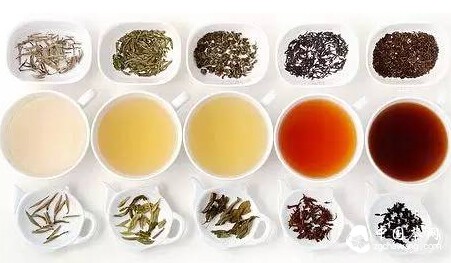
In the 1970s, Professor Chen Chuan wrote "Tea Classification Theory and Practice," explaining the principles of tea classification from a scientific perspective and proposing a classification method. The six major tea categories we refer to today are classified based on the degree of fermentation in the tea processing.
At this stage, you need to understand what the six major tea categories are, their leaf forms, tea soup colors, and flavors. Taste and compare each category individually. Aim to identify the category of tea by examining the dry leaves, smelling the aroma, tasting the flavor, and observing the brewed leaves.
This stage is the foundation of入门 and does not yet constitute真正 learning tea.
Stage 2: Enter the Realm of "Knowledge" — Extensive Reading
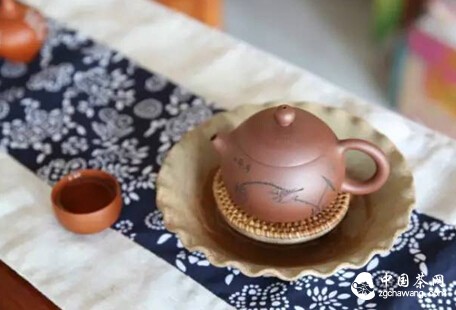
There are many典籍 on tea. The extensive reading at this stage primarily refers to modern and contemporary academic publications. The reason is that these books and periodicals often discuss tea from the perspective of an agricultural product, explaining its material properties. Everything in the world is based on its material attributes, with its spiritual attributes developing from there. Laying a solid foundation ensures that even if you venture into the realm of "tea ceremony" in the future, you will not forget its original essence.
Reading materials involve:
History of Chinese Tea, Modern World Tea History (General History of Tea); Tea Cultivation Science (Tea Agronomy); Tea Manufacturing Science (Tea Processing Technology Theory and Machinery); Tea Pharmacology; Tea Inspection Science; Tea Commodity Science, Tea Marketing, Tea Trade, Tea Economics, etc.

While reading extensively, gradually细分 the six major tea categories. For example, understand the differences between Jiangsu and Zhejiang green tea and Anhui green tea, the variations between Guangdong oolong and Fujian oolong, the distinctions between floral black tea and fruity black tea, learn to辨别 Shuixian and Rougui, and recognize the differences between famous premium teas and non-premium teas.
In short, while reading extensively, maintain consistent tea tasting. At this stage, you should be able to differentiate the various nuances in tea soup resulting from differences in variety, origin, and processing techniques. There is no need to rush into pursuing the grade or level of tea.
Stage 3: Enter the Realm of "Practice" — Visiting Tea Mountains
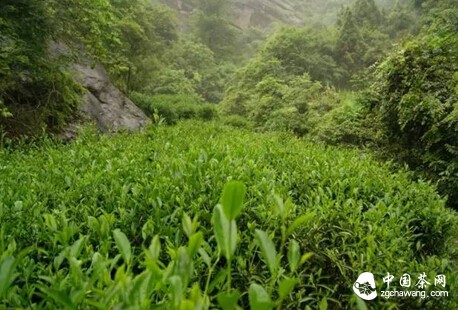
After acquiring some theoretical knowledge, visit tea mountains to see what the leaf described in books actually looks like.
You can create a planned itinerary to visit different regions during each year's harvesting season. When visiting tea mountains, focus on several aspects: the mountain environment of the tea trees, the growth state of the tea leaves (which reflects the tea farmers' cultivation and management); observe the complete processing techniques at the factories after harvesting (compare practical techniques with theoretical knowledge); good tea requires good water for brewing, so don't forget to taste the local water (if you have portable instruments, test the water properties to better understand the local environment).

Engage in practical learning and communicate more with tea farmers. If you find discrepancies between theory and practice, avoid hastily judging either as wrong. Instead, ponder the reasons for these differences. Tea is a living entity; every leaf is different. Contemplate the variables within constants and the永恒 within impermanence. All things in the world无非 revolve around the concepts of motion and stillness. Thinking about change leads to understanding, and you will suddenly comprehend many principles.
At this stage, you begin to differentiate the grades in tea tasting. For instance, understand how the same Rougui tea can produce different tea soups due to细微 differences in mountain environment and processing techniques. Progress from drinking tea to品茶 (savoring tea), from taste to body sensation, from sensory perception to heart feeling, and gradually perceive the concept of "tea energy" (茶气).
Stage 4: "Integration of Knowledge and Practice" — Brewing a Perfect Cup of Tea

By this stage, you will truly understand what it means to brew a good cup of tea. You will recognize what口感 indicates poor brewing and identify where the problem lies. Your "understanding" is built upon the沉淀 (precipitation) from previous stages. The fruit of time verifies all causes planted earlier.
At this stage, you can read ancient texts to understand the mindset of the ancients in tea appreciation. The tea ceremony (and indeed any art form) will open a door through time, allowing you to commune with the spirit of the ancients. You will realize that "tea is a lifelong companion," and even with a lifetime of effort, there is no day when you reach the end.
Suggestions

Yihu居士 once offered six suggestions to fellow tea learners:
1. Read tea books.
2. Drink and taste more famous teas (those with clear roots, healthy growth, and清白 history).
3. Visit more tea-producing regions (including tea factories) for field studies.
4. When your慧眼 (discerning eye) is not yet opened, minimize contact with various so-called "cultural figures" prefixed with tea.
5. When your法眼 (dharma eye) is not yet opened, minimize dealings with miscellaneous "tea merchants."
6. Seek guidance from truly knowledgeable tea masters in the tea world as your明师 (enlightened teachers).
Learning tea involves more introspection and less external seeking. Focus more on developing your own insight and avoid四处攀缘 (indiscriminate connections). Read and contemplate the classics more, drink and savor more tea, gain more experience in tea matters, and turn external seeking inward through introspection.