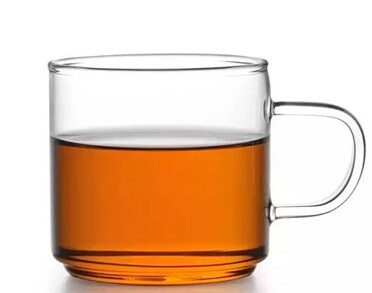
How long has it been since you last replaced the lidded bowl and teacups on your tea table? Although frugality is a virtue, using teacups for many years is not advisable as they have a "service life." Once exceeded, they pose hidden health risks.
Glass teacups also have an expiration date
For health reasons, choosing the right teacup is important, and glass cups are most people's choice. However, due to long-term erosion by water, the sodium silicate in glass reacts with carbon dioxide in the air to form white carbonate crystals, making the cup cloudy and dull. Not replacing them regularly can harm health.
It is recommended that the "service life" of glass cups should not exceed one year. Usually, alkaline detergents can be used to remove the white crystals, or they can be disinfected with boiling water for 10 minutes weekly.
Replace if there are too many tea stains
Some purple clay and metal teacups are prone to developing tea stains over time. Tea stains contain heavy metals, which can be harmful to health if not cleaned properly. Here are four easy and quick methods to remove tea stains!
1. Apply a little toothpaste on a toothbrush and scrub the teapot or teacup back and forth. Toothpaste acts as a cleaning agent and has fine abrasives, making it easy to remove tea stains without damaging the cup. Rinse with water afterward.
2. For tea stains on metal tea strainers, soak them in heated vinegar or baking soda water for 24 hours, then rinse repeatedly to clean them thoroughly.
3. Salt can also remove tea stains from cups. Dip your finger in salt and scrub the tea stains back and forth. You'll find the tea stains magically disappear in two to three minutes!
4. Soak teapots and cups with tea stains in a solution of bleach or cleaning powder overnight. Then scrub repeatedly with a steel wool pad, rinse with water, and soak in clean water for 10 minutes to clean them thoroughly.