Shenzhen, China — December 2025
For many consumers outside Asia, jasmine tea is often perceived as a single, familiar flavor—light, fragrant, and soothing. In China, however, jasmine tea is far from uniform. Its aroma and taste are shaped by a complex interplay of flower sources, base teas, scenting techniques, local climates, and long-established regional preferences. The result is a rich and diverse flavor landscape, comparable to the concept of terroir in wine or coffee.
As global interest in scented teas continues to grow, understanding these differences has become increasingly important for importers, tea professionals, and specialty retailers. Drawing on field research and collaborative studies across six key regions, iTeaworld presents a clearer “flavor map” of Chinese jasmine tea—one shaped by geography, craftsmanship, and culture.
Six Regional Styles of Chinese Jasmine Tea
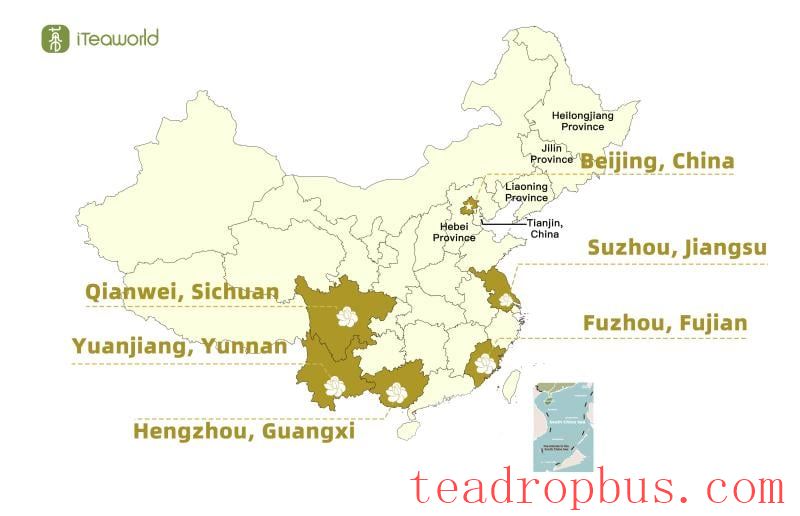
Despite modern logistics connecting jasmine tea production more closely than ever, iTeaworld identifies six core regions that continue to define the main stylistic directions in today’s market:
- Hengzhou, Guangxi — The world’s largest jasmine-growing and scenting center, celebrated for its bright, penetrating aroma.
- Fuzhou, Fujian — The historical birthplace of jasmine scenting, known for balance and elegance.
- Qianwei, Sichuan — A southwestern style marked by warmth, round sweetness, and a distinctive “ripe floral” character.
- Yuanjiang, Yunnan — Powerful and full-bodied, shaped by large-leaf tea cultivars and intense sunlight.
- Northern Market Style (Beijing-style) — Highly aromatic, rich, and exceptionally durable in brewing.
- Suzhou, Jiangsu — Subtle, refined, and restrained, reflecting Jiangnan aesthetics.
Each style offers a different answer to the question: What should jasmine tea taste like?
Hengzhou: The Global Hub of Jasmine Tea
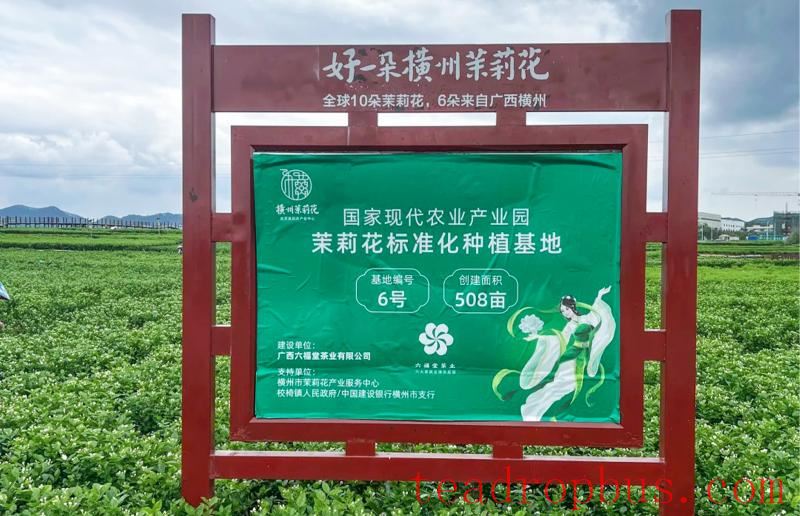 Hengzhou, Guangxi - Six out of every ten jasmine flowers worldwide are grown in Hengzhou.
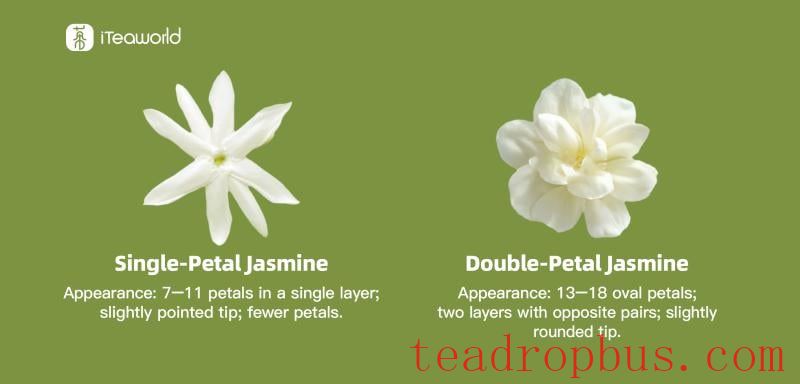
 Any discussion of jasmine tea inevitably begins with Hengzhou in Guangxi Province. Home to the world’s largest jasmine plantations and the most comprehensive scenting infrastructure, Hengzhou’s signature double-petaled jasmine variety delivers a bright, long-lasting fragrance ideal for large-scale production.
Importantly, Hengzhou is not defined by a single flavor style. It functions as a scenting center for base teas sourced from Fujian, Yunnan, Sichuan, Zhejiang, and Anhui. Whether producing fresh, green-forward styles or robust blends tailored to northern tastes, Hengzhou remains the industrial backbone of the modern jasmine tea supply chain.
Fuzhou: The Classical Origin of Jasmine Scenting
If Hengzhou represents scale, Fuzhou represents tradition. Recognized as the birthplace of China’s complete jasmine scenting system—with written records dating back to the Song Dynasty—Fuzhou preserves classical techniques that prioritize balance, ensuring floral aroma never overwhelms the tea itself.
Using single-petaled jasmine flowers and clean, baked Fujian green tea bases, Fuzhou producers focus on clarity, harmony, and lasting finish. These teas are widely regarded as benchmarks of traditional jasmine craftsmanship: subtle, elegant, and expressive.
Qianwei, Sichuan: A Warm Southwestern Expression
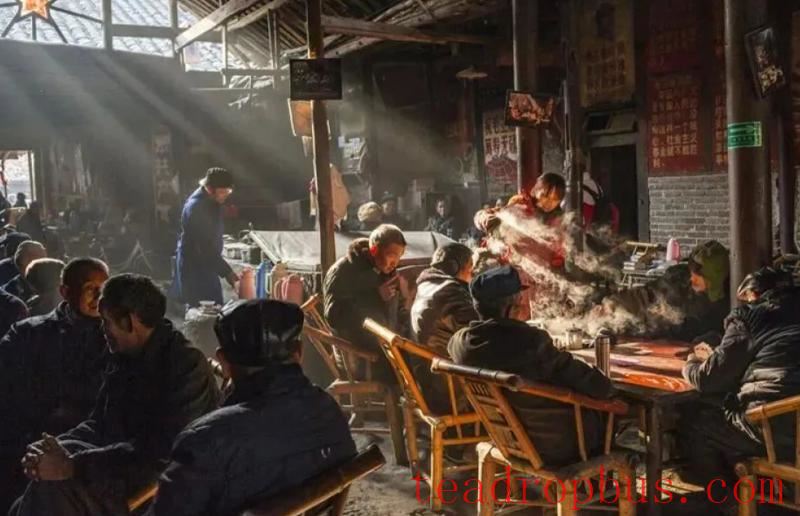 A traditional teahouse in Chengdu
 In Qianwei County, Sichuan Province, jasmine tea reflects local taste preferences. Medium- to small-leaf tea cultivars produce a fuller, softer liquor, while local jasmine contributes a mellow, rounded fragrance.
Producers favor scenting methods that emphasize warmth and depth rather than sharp aromatic lift. The result is a soft, sweet style with gentle “ripe” notes—well aligned with Sichuan’s broader tea culture, which values comfort, richness, and easy drinkability.
Yuanjiang, Yunnan: Power Shaped by Sunlight
 Jasmine fields in Yuanjiang, Yunnan
 Located in the Red River Valley, Yuanjiang’s intense sunshine, dry heat, and dramatic day–night temperature differences yield jasmine blossoms that are large, sweet, and rich in nectar. Paired with Yunnan’s robust large-leaf sun-dried green teas, the region produces one of China’s most powerful jasmine tea styles.
High flower ratios and multiple scenting rounds are common here, resulting in teas with intense aroma, thick body, and exceptional durability across infusions. Some producers even compress jasmine tea into cakes, echoing local Pu’er traditions.
Northern Market Style: Southern Craft for Northern Palates
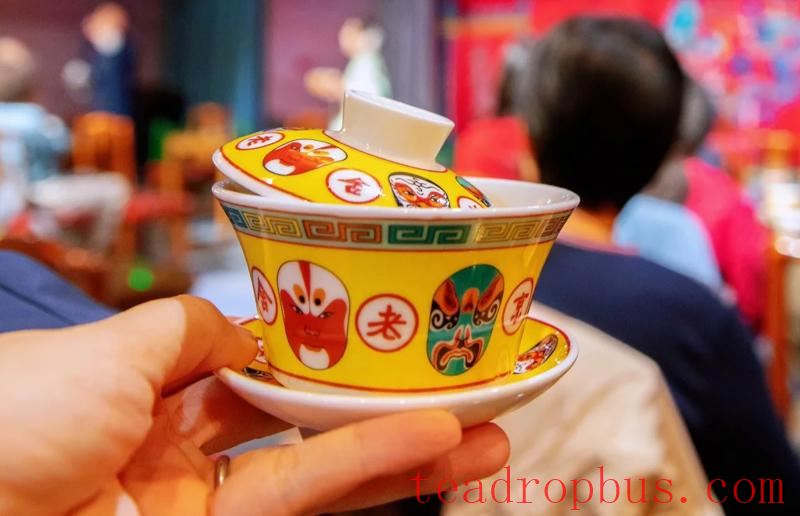 Lao She Teahouse, Beijing
 Although northern China grows neither tea nor jasmine, it represents the largest consumer market for jasmine tea. To meet northern preferences, tea makers developed a distinct approach: blending high-quality green tea bases from Fujian, Zhejiang, Anhui, and Guangxi, then transporting them to core jasmine-producing regions such as Hengzhou or Fuzhou for intensive “single-round, high-flower” scenting—allowing the leaves to absorb a high concentration of floral aroma in one extended process.
The resulting teas are bold, aromatic, full-bodied, and highly resistant to repeated brewing—even in hard water. This style aligns well with northern China’s robust culinary culture and the habit of drinking tea in large quantities, making it a daily staple in households across Beijing, Tianjin, Hebei, and Northeast China.
Suzhou Style: The Refined Aesthetic of Jiangnan
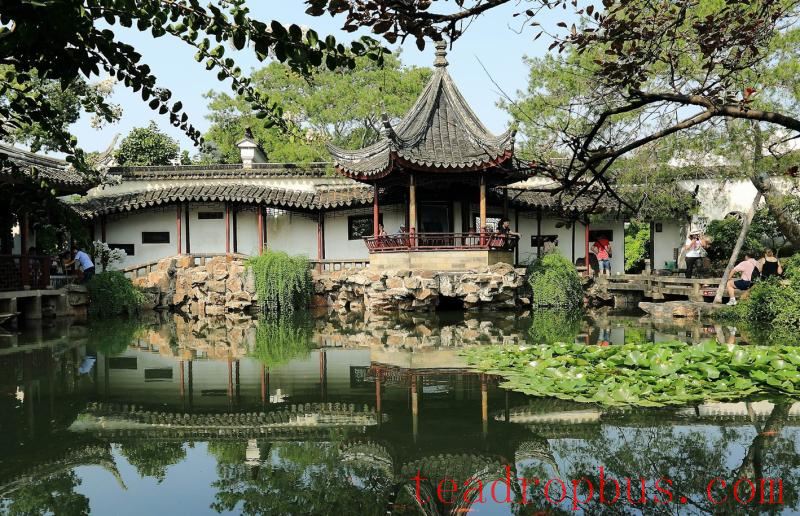 Humble Administrator’s Garden, Suzhou
 Suzhou was historically one of China’s important jasmine tea regions. Though limited in scale, it is culturally significant. Techniques emphasize precision and refinement, exemplified by the famed Huqiu Jasmine. Suzhou jasmine tea follows slow, low-temperature, multi-round scenting traditions and is listed as an Intangible Cultural Heritage of Jiangsu Province.
The core method—often described as “徽坯苏窨” —Anhui base tea, Suzhou scenting—combines premium Anhui green tea with small-petaled local jasmine, harvested at night and sometimes layered with some magnolia as a base note. The resulting tea is light, transparent, and ethereal, appealing to drinkers who favor subtlety and elegance.
Taken together, these regions illustrate the full diversity of Chinese jasmine tea.
- Hengzhou provides industrial scale and a stable supply of high-quality fresh flowers.
- Fuzhou preserves the classical technical traditions of jasmine scenting.
- Sichuan, Yunnan, and Suzhou express strong regional identities shaped by local tea bases, climate, and cultural preferences.
- Meanwhile, the northern market sustains a bold, consumer-driven style formed through decades of demand and daily drinking habits.
China’s jasmine tea ecosystem continues to evolve, yet its diversity remains rooted in the dynamic interaction between flower sources, base teas, craftsmanship, and regional taste cultures.
From Map to Cup: iTeaworld’s Jasmine Tea Journey
iTeaworld’s goal is to help global tea lovers truly read this flavor map and understand the complexity of Chinese jasmine tea. Over the past several years, the company has collaborated with tea makers across all six regions, systematically collecting representative samples and organizing them into a clearer, more accessible “Chinese Jasmine Tea Flavor Map.” A curated tasting collection based on this research is set to launch globally.
At the same time, iTeaworld continues to study how flower varieties, base teas, scenting rounds, and seasonal changes influence flavor. These findings will be released through themed tea collections, offering international consumers a structured way to explore jasmine tea—not merely as “scented green tea,” but as a complete tea category defined by culture, technique, and regional expression.
Website: www.iTeaworld.com
Social Media: LinkedIn|Instagram|Youtube |Facebook|Discord Group
Contact: Yujie Zhang, [email protected]