Compared to the porcelain clay used for ceramics, Zisha clay differs significantly. Porcelain clay primarily consists of kaolin and does not require aging before use, whereas Zisha clay must undergo an aging process. The aging period for Zisha clay is akin to the concept of 'daughter's wine' in ancient brewing (made at a daughter's birth)—the longer, the better. So why does Zisha clay need to be aged?
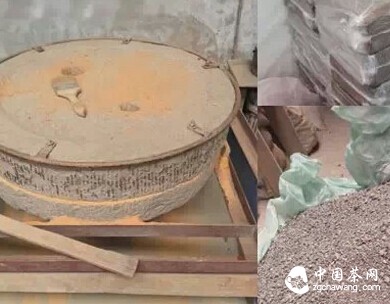
Zisha ore processed into clay
After Zisha ore is weathered, it is ground into clay powder, mixed with water, and formed into clay blocks. These blocks are stored in dark, damp places—this storage process is the 'aging of Zisha clay.' Aging facilitates oxidation and hydrolysis reactions in the clay, combined with bacterial action that promotes the decomposition of organic matter and generates organic acids. As organic substances in the clay become colloidal, plasticity is further enhanced, making it more suitable for shaping and firing. Longer aging periods are more beneficial. Compared to unaged clay, clay aged for an extended time results in a softer, more jade-like appearance after firing, as the 'fire energy' diminishes, and the tones deepen. For instance, under the same firing atmosphere and temperature, teapots made from aged clay appear more harmonious and moist.
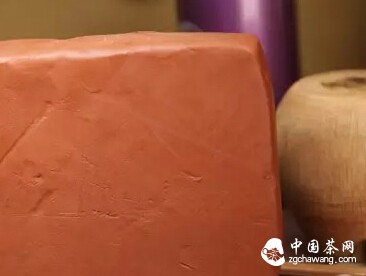
Pure clay
Why is a longer aging period better for Zisha teapot clay?
The aging process increases the clay's viscosity and enhances compatibility among its various components. Aged Zisha clay typically exhibits the following characteristics:
1. It lowers the required firing temperature, reducing firing risks. In ancient times, dragon kilns rarely exceeded 1000°C, so high-temperature clays had to be aged to achieve optimal firing results. The longer the aging, the more the firing temperature decreases. With modern kiln technology allowing temperatures over 1300°C, some high-temperature clays can now be fired without prolonged aging.
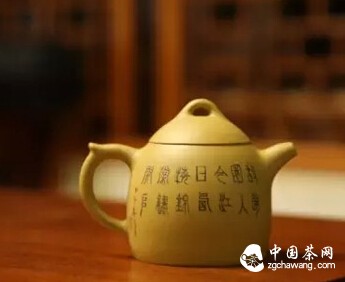
Figure: Golden Duan Qin Weight (painted)
2. Teapots made from aged Zisha clay exhibit a pleasing 'water color' after firing, are easier to cultivate a patina on, and develop a more pronounced 'jade texture' once a patina forms.
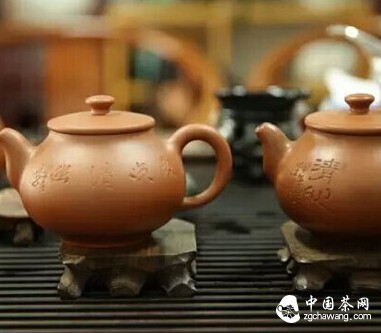
Note: Comparison of aged Di Cao Qing clay after patina development
3. Artisans find aged clay easier to work with due to its better plasticity and adhesion, reducing the likelihood of cracking during firing.