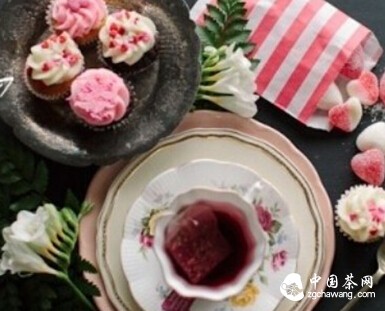
There are various types of herbal teas on the market, and each herbal tea has different effects. To find out which herbal tea is more suitable for you, you first need to understand the effects of the most commonly consumed herbal teas in daily life.
Rose Tea
Rose tea has a sweet, slightly bitter taste and a warm nature. Its most notable effects are regulating qi to relieve depression, promoting blood circulation to remove stasis, and regulating menstruation to alleviate pain.
Du Zhong Herbal Tea
Professor Zhang Kangjian, author of "Du Zhong Secondary Metabolites and Human Health," points out that Du Zhong is classified as one of the four scarce and specially controlled medicinal materials by national medicinal authorities, alongside "Paris polyphylla, Ganoderma lucidum, and bear bile," due to its rarity and significant medicinal value.
Forget-Me-Not Tea
It clears heat and detoxifies, refreshes the mind and improves vision, nourishes yin and kidneys, beautifies the skin, replenishes blood, and promotes metabolism. It also delays cell aging, enhances immunity, resists viruses, and prevents cancer. It is beneficial for skincare, beautification, and effectively regulates women's physiological issues, making it the preferred beverage for healthy women.
Lily Flower Tea
It can moisten the lungs and relieve coughs, calm the mind, and also alleviate stomach pain. It cools and moistens the lungs, reduces internal heat, and tranquilizes the mind. It is particularly effective for chronic coughs due to yin deficiency, moistening the lungs and resolving phlegm, phlegm with blood, restlessness and palpitations, insomnia, and mental confusion. It regulates the lungs, treats dry coughs, lung deficiency coughs, hemoptysis in lung cancer, and addresses symptoms like cough, dizziness, and restless sleep.
Marigold Tea
Marigold contains minerals like phosphorus and vitamin C, with the petals being the main usable part. Drinking marigold tea can induce sweating, promote diuresis, and clear damp-heat. Its flowers can also be used in salads or cooking to enhance color, aroma, and flavor.
Jasmine Tea
From the perspective of traditional Chinese medicine, the effects and functions of jasmine tea include refreshing the mind, clearing internal heat, aiding digestion, promoting diuresis, and other health benefits. Specifically, jasmine tea not only retains the medicinal properties of tea itself but also incorporates certain detoxifying effects inherent to jasmine flowers.