Raw Pu-erh tea is heavy in character and quite sharp. Even ancient tree tea retains a significant green, grassy note.
For this type of tea, a porcelain gaiwan is sufficient for brewing.
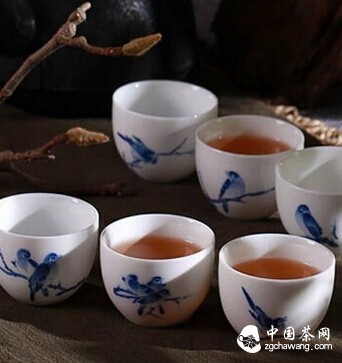
If the purpose is to test a new raw tea and judge its potential for aging, a porcelain gaiwan is the best choice.
First, a porcelain gaiwan has the least influence on the tea itself.
Second, the gaiwan pours quickly, making it easier for the brewer to control the steeping time.
Because if using a teapot, the pouring speed is generally slower than a gaiwan. If one is not careful, the steeping time can easily become too long, failing to achieve the desired infusion level.
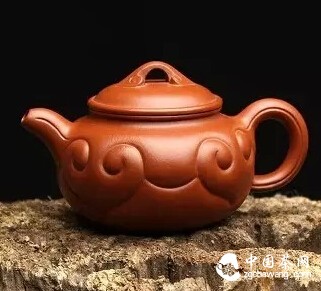
Similarly, for tasting new raw tea with the goal of evaluation, porcelain teacups are the first choice.
Of course, if a particular tea is already very drinkable as a new tea and one wants to enjoy its freshness, either a porcelain gaiwan or teapot is fine.
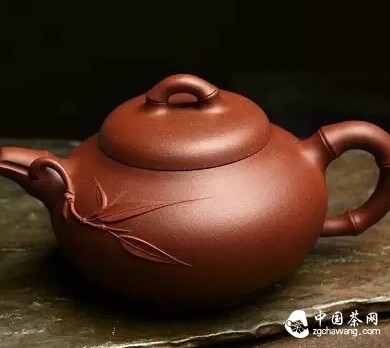
For clay ware, Zhuni clay from Yixing is highly recommended because it concentrates the qi and, compared to other Zisha or clay ware, does not overpower the aroma.
Moreover, if using a Zhuni teapot to brew new raw tea, and if the quality of that new tea is excellent, the Zhuni pot makes it easier to bring out the texture of the tea soup.
Of course, regardless of the teapot, as long as it is made of clay, it more or less affects the fresh floral and fruity aromas, unlike porcelain tea ware which minimizes the impact on the tea's fragrance and soup.
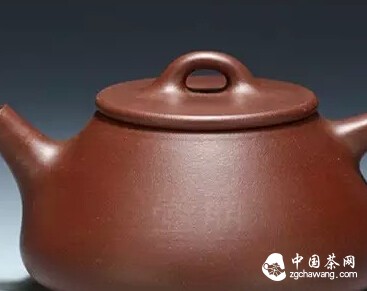
Additionally, if the new tea is highly astringent and bitter, heavy in character, but some people precisely enjoy this taste profile, then it is recommended to use Zisha teapots made from clay types like Zini, Qing Shui Ni, or Jiangpo Ni, or some wood-fired clay teapots for brewing.