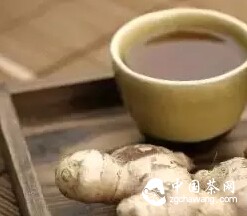
1. Ginger Black Tea
Method: 5g black tea, 2g ginger powder, brown sugar to taste. Place the black tea and ginger powder together in a cup, pour over water above 90°C; add brown sugar when slightly cooled and drink.
Benefits: Black tea is sweet and warm, nourishing the body's yang energy; it is rich in protein and sugar, generating heat and warming the abdomen, enhancing the body's cold resistance. It is especially suitable for people, particularly women, with cold hands and feet or stomach cold in winter. Combining black tea with ginger enhances the effect of warming the interior and dispelling cold. Furthermore, as appetite increases in winter, drinking black tea can also aid digestion and reduce greasiness.
2. Milk Black Tea
Method: 3g black tea, 100g milk, 2g salt. Place the black tea in a pot, add water and simmer for 5 minutes. Filter out the tea leaves, and in another pot, heat the milk. Once the milk boils, add the tea liquid and salt, then stir.
Benefits: Drinking once every morning can effectively replenish qi and blood, strengthening the body.
3. Brown Sugar Ginger Tea
Method: Brown sugar, golden thread dates, ginger. Place brown sugar, pitted golden thread dates, and ginger slices in a stewing pot; add an appropriate amount of clean water (mineral water is best); cover and stew for half an hour.
Benefits: Brown sugar has the effects of nourishing and activating blood. Adding it to ginger soup can improve surface circulation and treat common colds. Note: Ginger brown sugar water is only suitable for wind-cold type colds or stomach cold after exposure to rain, not for summer-heat or wind-heat type colds.
4. Longan and Red Date Tea
Method: 40g longan flesh, 10 red dates. Add all ingredients to 3000ml of water and boil for 30 minutes.
Benefits: Longan is warm in nature and sweet in taste, benefiting the heart and spleen, and replenishing qi and blood; red dates can tonify the middle energizer, replenish qi, nourish blood, and promote fluid production. This tea is quite suitable for friends who tend to have cold hands and feet in winter. It is not suitable if one has cold symptoms, sore throat, dry mouth, or excessive internal heat.
5. Astragalus Black Tea
Method: 15g astragalus, 3g black tea. Place the astragalus in a pot with an appropriate amount of water and boil for about 15 minutes; then add the black tea and boil together for about 5 minutes. Drink the tea liquid.
Benefits: Astragalus has effects such as replenishing qi and yang, harmonizing the spleen and stomach, moistening the lungs, and promoting fluid production. It can tonify qi and strengthen the stomach, improving conditions of physical weakness. Black tea has effects like benefiting qi, supplementing yang, generating heat, and warming the abdomen. Drinking it for health in winter can enhance the body's cold resistance.
6. Rose Pu-erh Tea
Method: 15g rose buds, 3g Pu-erh tea, honey to taste. Place the Pu-erh tea in a teacup, pour in boiling water, discard the first infusion after brewing; then add the rose buds, pour in boiling water to brew. When the water temperature cools slightly, add an appropriate amount of honey, mix well, and drink.
Benefits: Roses have many effects and functions. Brewed together with Pu-erh tea, it is not only fragrant and pleasant but also helps relieve chest tightness and irritability. It has good effects in alleviating tension and depression. Additionally, drinking Pu-erh tea in winter also warms and nourishes the stomach.
7. Osmanthus Black Tea
Method: Take 7~10 dried osmanthus flowers, 1~2g black tea, steep with boiling water. Those without diabetes can add a little brown sugar to taste. Drink as a tea substitute. Consume continuously for 7~14 days for good effects in winter health and warming the stomach.
Benefits: Osmanthus is warm in nature and pungent in taste, can resolve phlegm and dissipate stasis, and has certain therapeutic effects on poor appetite, phlegm-retention cough and asthma, and amenorrhea with abdominal pain. Black tea is warm in nature, has the function of warming the spleen and stomach and aiding digestion, and can promote appetite. Black tea is a fermented tea; tea polyphenols are oxidized during fermentation, and their oxidation products can promote human digestion. Brown sugar is rich in nutrients, warm in nature, sweet in taste, enters the spleen, and has the effects of replenishing qi and blood, strengthening the spleen and warming the stomach, and relieving pain.
8. Ginseng Red Date Tea
Method: 25g ginseng, 25g red dates, 5g black tea. Wash the ginseng and red dates (pitted) and set aside. Put all the above materials into a pot and boil to make tea.
Benefits: Improves qi and blood deficiency, enhances physical strength, and helps restore vitality.
9. Red Date and Goji Berry Tea
Method: 25g red dates, 20g goji berries, brown sugar to taste. Put the red dates and goji berries together into a pot, add an appropriate amount of water and decoct; when the red dates become soft, add brown sugar, mix well, and drink.
Benefits: Red dates have effects such as strengthening the spleen and nourishing the stomach, protecting the liver, and replenishing blood. They are especially suitable for people with weak spleen and stomach to consume in winter. Using red dates with goji berries can nourish blood, treat cold constitution, and also enhance women's physical energy.