The quality of a Tea is influenced not only by the tea itself but also by the way it's brewed. It's not uncommon for the same tea to taste remarkably different when brewed by different people.
Pu'er tea, like other teas, requires a balanced approach to brewing. Too much and the tea becomes bitter; too little and it lacks depth. This inconsistency can be frustrating for Pu'er enthusiasts. Today, we'll discuss some common brewing methods that can easily ruin your beloved Pu'er tea.
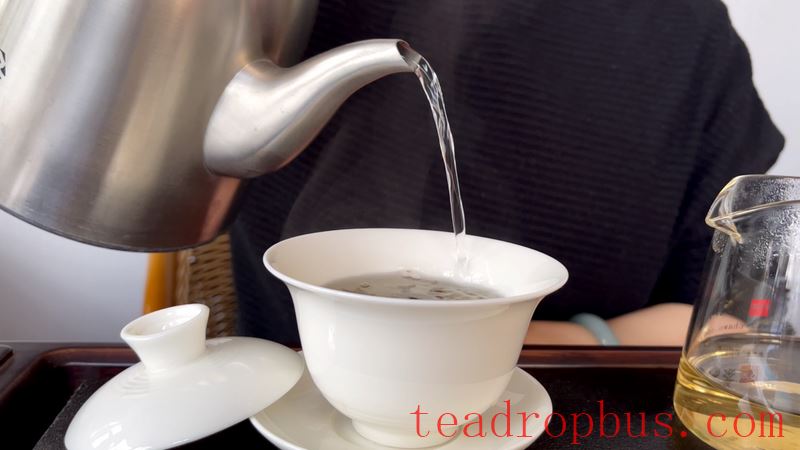
1. High-Pour Brewing
In daily brewing, many Pu'er enthusiasts favor the high-pour technique, pouring water from a height into the gaiwan or even using a spiraling motion along the cup's walls. While this method can enhance the aroma in certain teas like Oolong, it isn't suitable for Pu'er. The rapid flow can cause an excessive release of polyphenols and Caffeine, resulting in a bitter Brew. Pu'er is known for its rich and stable fragrance and smooth, continuous mouthfeel. Therefore, a gentle, soft, and steady pour is preferred. A high-pour can lead to a lighter body and a less pronounced aroma.
2. Vigorous Agitation
In the brewing of highly aromatic teas, vigorously agitating the leaves with water can help release their aromas. However, this method is not recommended for Pu'er tea due to the rich content of the Yunnan large-leaf variety, which can result in an overly bitter and astringent brew. Furthermore, this agitation can rob the tea of its full-bodied texture.
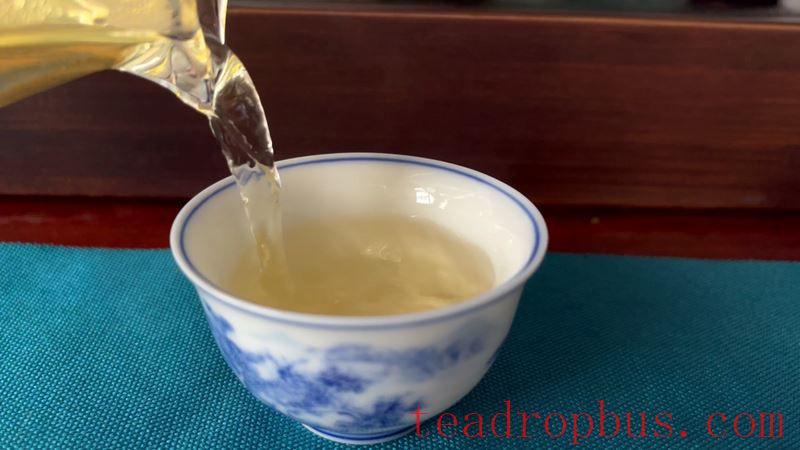
3. Inconsistent Water Temperature
Water temperature is a crucial factor in successful brewing. Many tea enthusiasts struggle with controlling the temperature, especially when using high-temperature water for Pu'er, unlike Green or Black teas where one can adjust based on feel. Too hot, and younger Pu'ers can become excessively bitter; too cold, and the tea's aroma may suffer.
4. Vague Timing
During everyday brewing, the timing of pouring water, Steeping, and pouring out the tea is often determined by experience and intuition. While this is a personal choice for individual consumption, it's worth noting.
5. Rough Tea Separation
The issue of separating tea, particularly relevant for compressed Pu'er teas (cakes, bricks, and tuos), requires tools like tea needles. If the tea is broken too finely, left too whole, or too thick, or if the leaves are excessively damaged during separation, it can negatively impact the brew, affecting the overall quality of the tea liquor. Practicing proper separation techniques and adjusting brewing times according to the size and integrity of the separated leaves is essential.
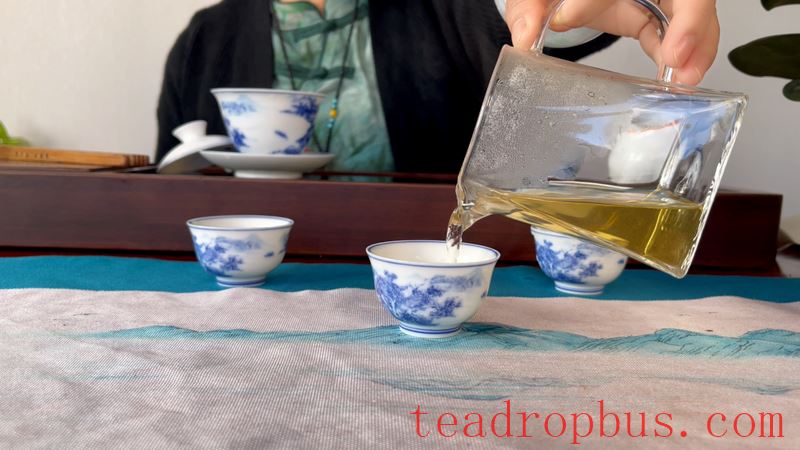
6. Uniform Brewing Method
After becoming familiar with certain brewing methods for Pu'er, one might fall into the trap of applying the same time and temperature settings to all Pu'er teas. This is also a mistake. For example, the condition of the tea (broken or whole) requires adjustments in brewing time. The age of the tea might necessitate changes in water temperature, such as reducing the temperature for Pu'ers aged three years or less, using water around 90-95 degrees Celsius. Changing from a gaiwan to a clay teapot or altering the vessel's capacity also requires adjustments in brewing time.
In summary, brewing Pu'er tea requires both scientific methods and precise quantification, as well as ongoing exploration and familiarity with each tea. With experience, you'll be able to consistently produce remarkable cups of Pu'er tea.