The first standard of high-quality Pu'er Tea: harmonious taste; the second standard of high-quality Pu'er tea: rich layers; the third standard of high-quality Pu'er tea: high and clear aroma.
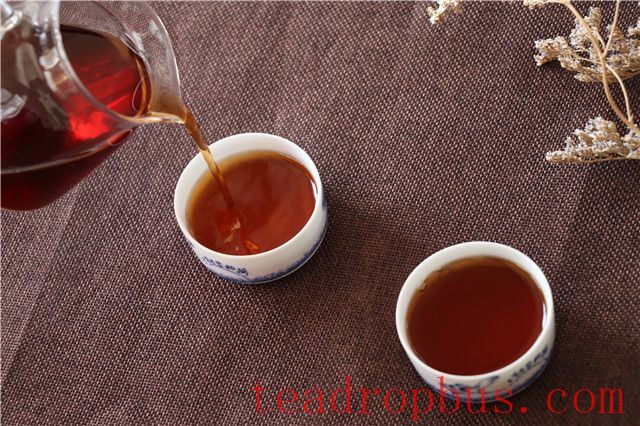
The First Standard of High-Quality Pu'er Tea: Harmonious Taste
Spring Tea, summer tea, and Autumn Tea from the same mountain area have different tastes when consumed. Summer tea has a more prominent bitter taste that lingers longer than spring tea, which has a relatively balanced taste with bitterness and astringency dissipating quickly, followed by a noticeable sweet aftertaste. Therefore, the harmony of spring tea is much better than that of summer tea.
Good Pu'er tea has one characteristic in common: harmonious taste. Old Man E (Laoman'e) tea can be too bitter and intense for some people to accept, while Yi Wu tea is too sweet and soft, not appealing to certain tea enthusiasts. It can be said that each mountain area's tea has its strengths and weaknesses, and this is where blending comes into play, balancing and complementing the pros and cons of different mountain areas' teas.
A tea with a balanced and harmonious taste is good tea, and you can buy it with your eyes closed. For a blended tea to achieve a harmonious taste, it cannot be overly astringent or excessively bitter. If it can achieve “the transformation of bitterness and astringency into a sweet aftertaste,” then it is a rare and excellent tea.
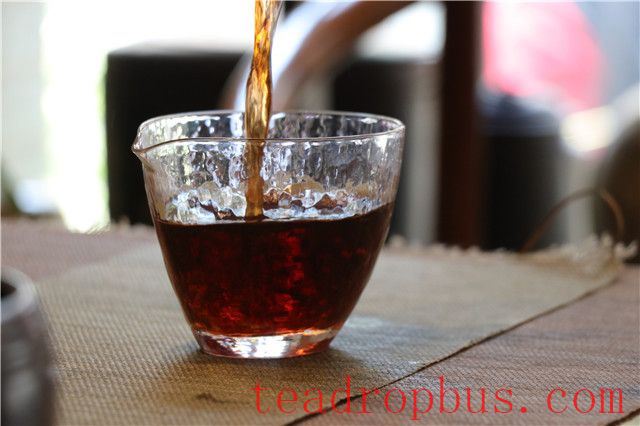
The Second Standard of High-Quality Pu'er Tea: Rich Layers
Many tea enthusiasts pursue old tree tea when drinking Pu'er tea, largely due to its richness. Traditionally planted teas are typically mixed varieties, unlike newer tea gardens, which often consist of a single variety. A single variety can result in a monotonous taste.
For old tea gardens consisting of mixed varieties, a single infusion may contain leaves from dozens or even hundreds of trees, resulting in a rich variation in the liquor's texture.
A good Pu'er tea offers a different sensation at every stage of consumption: one sensation upon entry, another after a short while; one sensation in the first infusion, with each subsequent infusion offering a new sensation. Throughout the brewing process, the flavors are dynamic, not static.
The tea liquor is thick and full-bodied, deeply penetrating. In particular, aged raw Pu'er tea, having undergone a long period of transformation, reaches a mature strength akin to the Tai Chi of Zhang Sanfeng from Wudang. The tea's subtleties are like the mastery of Tai Chi, where no move is necessary, resulting in a sweet aftertaste and flavors that evolve layer by layer, leaving a lasting impression.
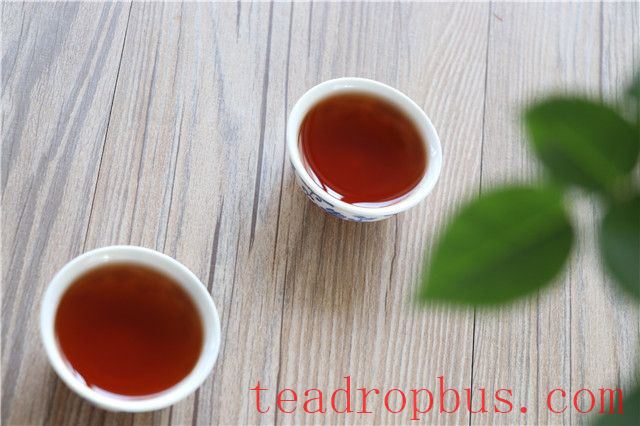
The Third Standard of High-Quality Pu'er Tea: High and Clear Aroma
Friends who love drinking Pu'er tea will have a deep impression of its unique aroma. Although the aroma of Pu'er tea does not match that of Tie Guan Yin, it has its own charm.
Fresh teas carry a rich honey fragrance and floral scent, while aged teas develop medicinal, aged, and ginseng-like aromas… and in some high-quality aged teas, a pleasant jujube fragrance can appear.
While the aroma of Pu'er tea is rich, varied, and unpredictable, there is one constant: these aromas are always fresh, clean, and pure, without any hint of impurities or off-flavors. This is the hallmark of high-quality Pu'er tea. When you inhale the aroma, it feels as if you are standing on a high mountain in Yunnan Province, surrounded by dense tea forests, allowing your whole body and mind to relax. Such good tea is worth collecting.