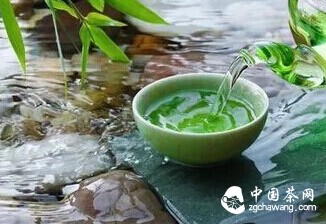
1. "Fill wine to the brim to respect guests, fill tea to the brim to deceive guests"
Because wine is cold, the guest will not be scalded when taking it, but tea is hot. When the cup is full, the guest's hand will be scalded, and sometimes the cup may even fall to the ground and break, causing embarrassment to the guest.
2. "Respect the elder first, then the younger; respect the senior first, then the junior"
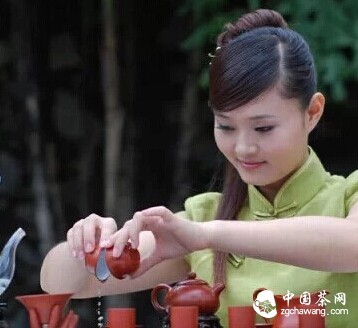
When you come before someone, say "Please have tea," and the other person will respond with "Don't stand on ceremony," "Don't be polite," or "Thank you." In a gathering with many people, if the cup is not taken away, it is placed on the table in front of each person. When pouring tea for the first time, the elder and senior must be served first, then the younger and junior. For the second round, you can pour in order.
The person receiving the tea should show a response:
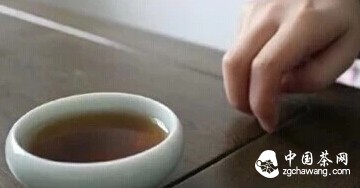
If the tea drinker is an elder, lightly tap the table twice with the index finger to express thanks;
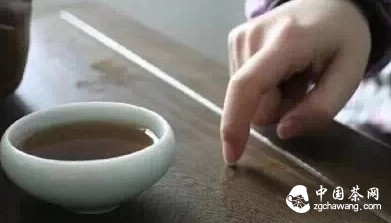
If the tea drinker is a junior or peer, lightly tap the table twice with the index and middle fingers to express thanks.
3. "Guest first, host second; the tea master drinks last"
When serving tea, besides following seniority and order, you must first serve guests and visitors, then your own family. Only after everyone present has had tea may the tea master (also called "cabinet chief," the person who brews and pours the tea) drink. Otherwise, it is disrespectful to the guest, known as "bullying the guest" or "treating others ungraciously."
4. "Arrogant guest disrespects the host by scraping cups and trays"
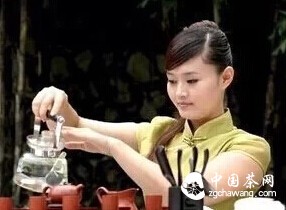
When a guest lifts the tea cup, they must not carelessly scrape the cup's bottom against the tea tray. When placing the cup down after drinking, it should be done gently, without making sound. Otherwise, it signifies "the guest overpowering the host" or "intentional provocation."
5. "Frowning while drinking tea indicates disdain"
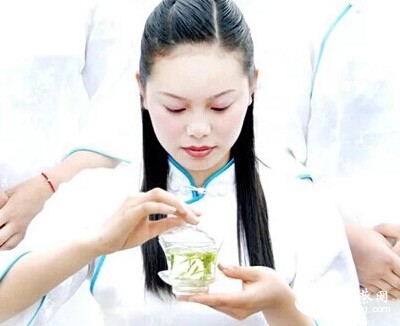
Guests should not frown while drinking tea. This is a warning sign to the host. If the host sees a guest frowning, they will think the guest dislikes the tea or finds it not to their taste.
6. "The first infusion is for washing, the second is for drinking"
When the host brews tea, the first infusion must be poured out and not drunk, because it contains impurities. Locals say, "The first infusion is for washing, the second infusion is the tea." Letting a guest drink the first infusion is considered an insult.
7. "A new guest calls for fresh tea"
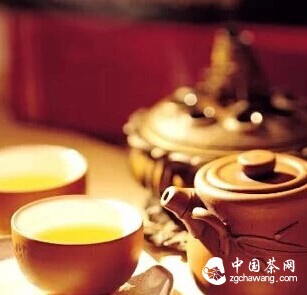
When host and guests are drinking tea and a new guest arrives, the host should show welcome by immediately changing the tea. Otherwise, it is considered "neglecting the guest" or "treating the guest ungraciously." After changing the tea leaves, the second infusion should be offered to the new guest first. If the new guest repeatedly declines, it is called "refusing is disrespectful."
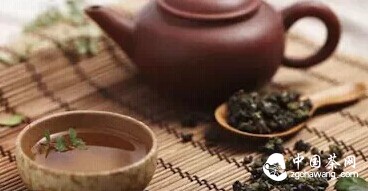
8. "A veiled order for the guest to leave"
The host is warm and hospitable, often treating guests with strong tea. However, sometimes due to work commitments, lengthy tea drinking may delay work, or the conversation may not be agreeable, or a late-night visit affects sleep. If the host intentionally does not change the tea leaves, the guest should perceive this as a "veiled order to leave" and take their leave, or else they will displease the host.
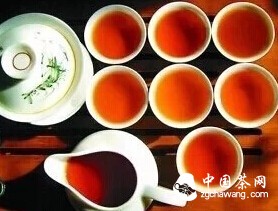
9. "Tea without color"
When the host serves tea, the liquor goes from strong to weak. After several infusions, the tea leaves should be changed. If not, the host is considered to have "tea without color." This has two meanings: first, the tea has no color but is still being poured, showing coldness to the guest and failing in hospitality; second, by extension, it implies disrespect to others, lack of seriousness in handling affairs, or ineffective results, leading to the saying "someone has no color in their tea."
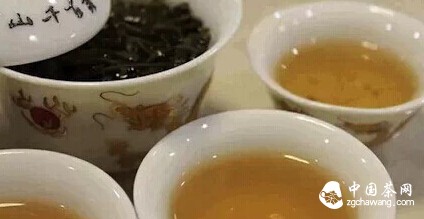
10. "Three for tea, four for wine, two for sightseeing"
Placing three cups on the tea tray comes from the saying "Three for tea, four for wine, two for sightseeing." It is believed that tea must be enjoyed by three people, wine requires four for playing drinking games, but outdoor sightseeing is best for two, as it is easier to agree and satisfy the pleasure of the trip.