A current overview of international shipping demonstrates that price spikes and container shortages are not subsiding.
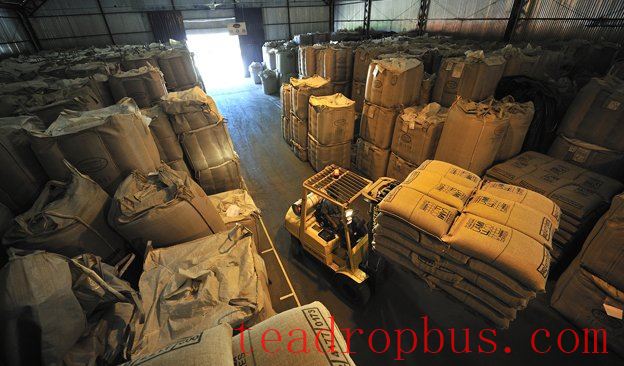
Getting coffee from farm to roastery is a massively complex endeavor. A web of interconnected logistics and supply chain professionals is tasked with organizing the safe delivery of millions of containers each year.
Because of coffee’s global scope, there are always issues to contend with, from geopolitics to the impact of natural disasters. Recently, however, the challenges facing the industry have felt especially intense.
Hormuz Ripple Effects
Six months after it began, the Iran war continues to disrupt the coffee industry and global trade more generally. Since February, Iran has closed and reopened the Strait of Hormuz multiple times. This has raised shipping costs and affected petroleum supplies, which in turn have impacted the cost of fertilizer and plastic. Despite intermittent ceasefire talks, the conflict persists.
In the Red Sea, meanwhile, Houthi rebels continue to disrupt shipping. In July, a threat against vessels sailing to Saudi Arabia saw multiple ships reroute, while drone and rocket attacks caused the port of Mokha to close completely in August. Shipping insurance rates have risen in response, while some companies have withdrawn coverage altogether for shipments in the Persian Gulf.
The disruption in the Middle East has caused knock-on effects, particularly at the Panama Canal, which is also experiencing lower water levels due to the El Niño weather system. The canal is busy at the best of times, but rerouted vessels are adding to congestion — traffic is up 8% year-on-year in 2026, according to a report by Kuehne+Nagel.
All of this has “created a scenario where global shipping is more expensive and delayed than any time I've seen since Covid-19 and its associated shipping container shortages,” says coffee consultant Christopher Feran.
Local Crises, Global Impact
There have also been more localized disruptions to coffee shipping. The earthquake in Colombia on August 10 shut down the Pacific coast port of Buenaventura for several days, impacting exports. Around 60% of Colombia’s coffee flows through the port, and even once it reopened, the backlog of trucks meant traffic was “intermittent and limited,” according to the head of Asoexport. The closure also caused the coffee futures market to rise.
In the United States, meanwhile, Feran says that labor shortages and fuel costs have disrupted domestic freight, while President Donald Trump imposed another set of tariffs in July. Coffee is exempt from these latest levies, but there are plenty of other items that companies import from China, such as equipment or takeaway cups. The new tariffs have already faced legal challenges, although experts say they may be “more durable” than those that threw the coffee industry into chaos in 2025. In response, many companies rushed to import goods into the US before the new tariffs came into effect.
With uncertainty surrounding so many aspects of global coffee freight, Feran says it is hard to predict whether things will improve in the short term. One small recent glimmer of good news came from Uganda, where the country’s national railway company restarted transporting coffee after an eight-year hiatus. The Uganda Railways Corporation recently moved 29 containers from Kampala to the Port of Uganda, a move officials said saved more than $60,000 compared with truck freight.