How is white Tea made? Without stir-frying or kneading, it goes through withering and drying only, preserving the appearance and intrinsic substances of the White Tea. It retains high levels of tea polyphenols, Caffeine, amino acids, flavonoids, and other compounds, allowing the tea to remain in its most natural state.
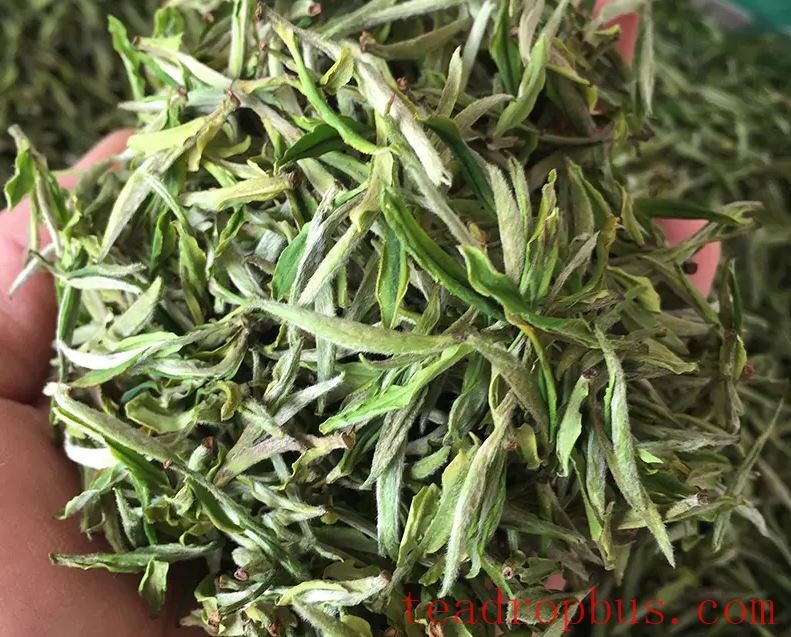
White Tea Production Process Steps
1. Picking
The fresh leaves of white tea are picked based on temperature: one Bud and one Leaf that are just starting to unfold, ensuring early picking, tender picking, frequent picking, and clean picking. The buds and leaves should form a complete set, be of uniform size, and have short stems. They should be handled gently and placed in bamboo baskets for transport.
2. Withering
The freshly picked leaves are spread out evenly on bamboo trays and not flipped over. After spreading, the withering process can be adjusted according to weather conditions and the quality of the fresh leaves, using natural indoor withering, composite withering, or heated withering. When the tea reaches about 70-80% dryness, both natural indoor withering and composite withering require sifting and sorting.
3. Drying
Initial drying: Drying machine temperature 100-120°C, time: 10 minutes; cooling: 15 minutes.
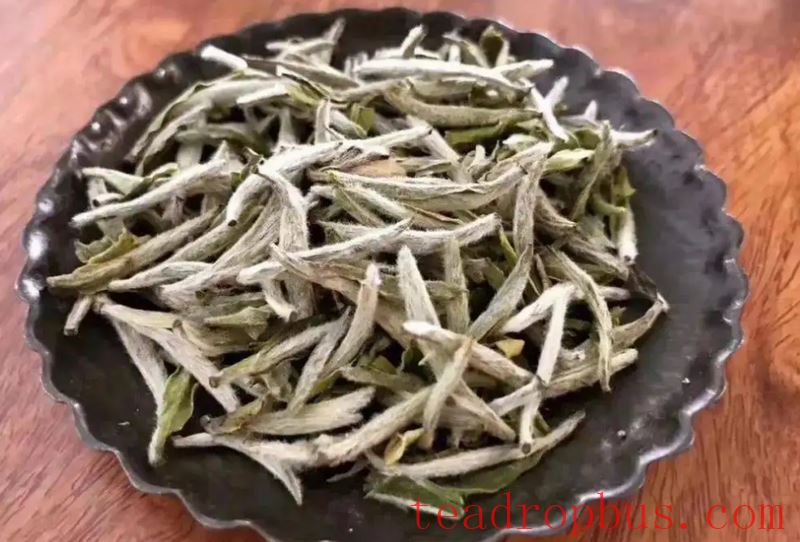
Secondary drying: Temperature 80-90°C; low temperature long-term drying at around 70°C.
4. Storage
The moisture content of the dried tea leaves should be controlled at 5% or less, and stored in a cold storage unit at 1-5°C. Three hours after removing the tea from the cold storage, it can be opened and packaged.
One-minute overview of the production process of Fuding white tea.
How many steps does the white tea production process involve?
Withering and drying, without stir-frying or kneading, slow-dried over a gentle fire.
What is withering?
Withering involves the loss of water under specific temperature and humidity conditions, increasing enzyme activity and changing internal substances, which helps to develop the quality characteristics of the tea.
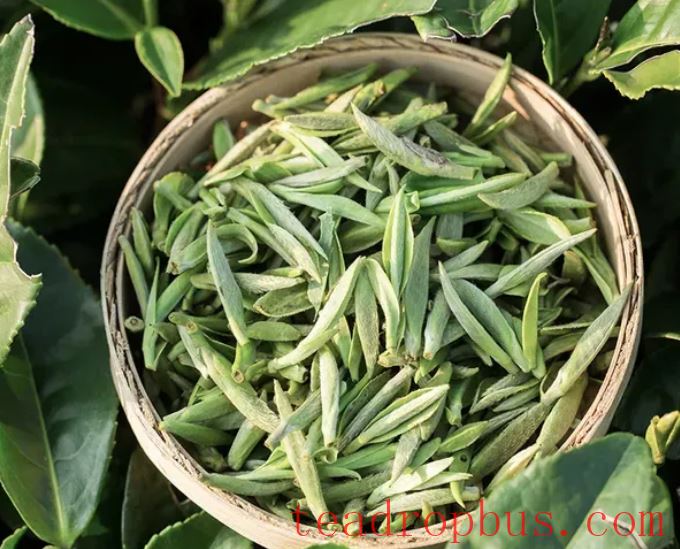
What types of withering are used for white tea?
Traditionally, sun withering is used. Currently, heated indoor withering, combined sun and indoor withering (composite withering), and LED light source withering are also used as new methods.
Which substances change during the withering process?
Aroma: During withering, low-boiling-point aromatic substances decrease while mid-to-high boiling-point aromatics like linalool increase, causing the grassy scent of the tea to dissipate and the aroma to emerge.
Taste: During withering, polyphenols are decomposed through enzymatic reactions, reducing astringency. Monosaccharides, water-soluble pectins, and amino acids increase to varying degrees, enhancing the freshness and body of the tea infusion.
Leaf condition: During withering, the fresh leaves lose a large amount of water, and chlorophyll is oxidized and decomposed, turning the leaf color to a darker green.
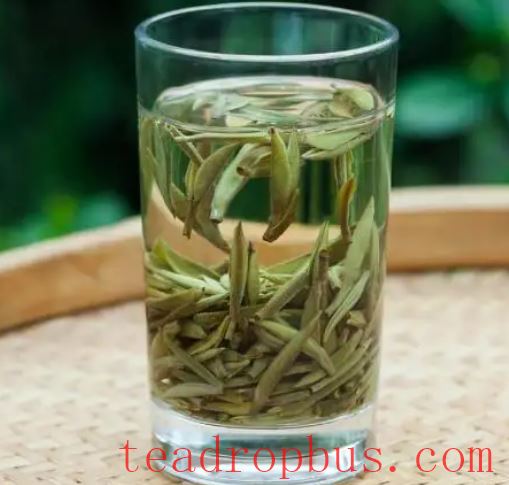
What is the purpose of the drying process?
To remove excess moisture from the buds and leaves, inhibit enzyme activity, redirect enzymatic oxidation towards non-enzymatic oxidation, enhance the aroma of white tea, and aid in storage and subsequent aging.
What drying processes are used for white tea?
The drying process is also known as baking. The main baking methods are charcoal baking and electric baking. Charcoal baking is a traditional method for drying and enhancing the aroma of white tea, where the key is “gentle and thorough drying,” resulting in a delicate aroma. Electric baking has the advantage of being faster and easier to control, but lacks the unique character of charcoal baking.