Pu'er Tea originates from dense forests along the Lancang River. According to the national standard for Geographical Indication Product Pu'er Tea, the protected area includes 11 prefectures (cities): Pu'er City, Xishuangbanna Prefecture, Lincang City, Dali Prefecture, Honghe Prefecture, Baoshan City, Dehong Prefecture, Chuxiong Prefecture, Yuxi City, Wenshan Prefecture, and Kunming City; 75 counties (cities, districts); and 639 townships (towns, subdistricts).
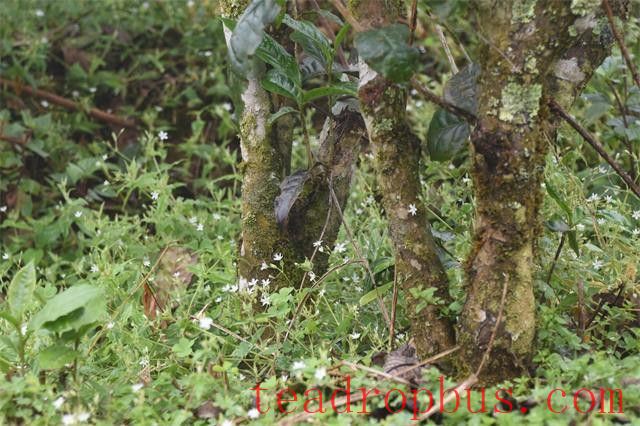
Among these, Pu'er City, Xishuangbanna Prefecture, and Lincang City are important production areas for Pu'er tea. Notably, the ancient six tea mountains of Xishuangbanna, Nanuoshan, Bulang Mountain, He Kai Mountain, and Banzhang Mountain in Menghai County; Jingmai Mountain in Lancang County; Kunlu Mountain in Ning'er County; and the large-leaf green teas from Mangku Town in Shuangjiang County and Yongde Daxueshan in Lincang are of excellent quality and make great raw materials for processing Pu'er tea. Generally speaking, Pu'er tea produced in these regions is of superior quality.
How to Choose Your Favorite Pu'er Tea Based on Its Origin
To select high-quality Pu'er tea, it's essential to understand its origin. Typically, Pu'er tea grows in mountainous areas far from human pollution, cultivated by man-planted tea trees with specific climate requirements. It is not suitable for growth in just any environment and is primarily produced in Yunnan Province, China.
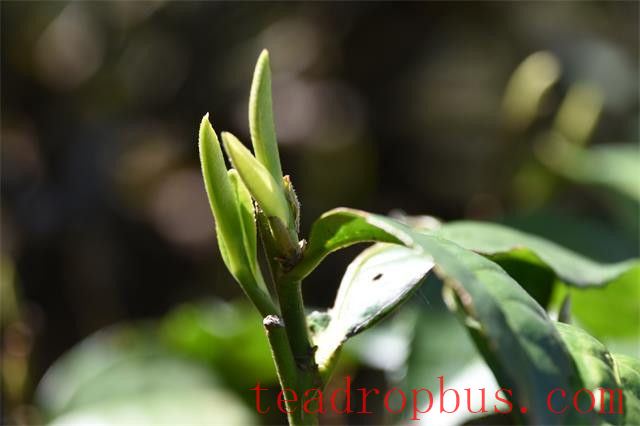
Pu'er tea is mainly processed from large-leaf Green Tea from Yunnan Province. There are many tea-producing regions within Yunnan, with the most famous being the Menghai region, Simao region, and Lincang region. When choosing, you can start with these three regions.
1: Menghai Region
The unique growing environment results in a higher synthesis of phenolic compounds compared to other internal substances in Pu'er tea. Additionally, due to relatively lower levels of alkaloids, the astringency imparted by polyphenols is more prominent. Therefore, the tea from this region has a strong taste and good aftertaste, making it very suitable for seasoned tea drinkers.
2: Lincang Region
The Lincang region produces a large quantity of tea and is known as the “world's tea warehouse.” The most notable areas include Mangku, Bangdong, Fengqing, and Yongde. The differences in aroma and taste within this region are relatively significant. In general, the tea here has good aroma, a slightly heavier astringency, and a mild bitterness.
3: Simao Region
The Simao region is primarily located north of the Lancang River East, including Xiaojinggu, Wuliang Mountain, and Kunlu Mountain. The tea from this region generally has a more subdued aroma compared to the previous two regions. It is not overly intense or bitter but rather fresh and refreshing, making it ideal for those who prefer lighter flavors.
Selection Recommendations
When selecting Pu'er tea from these three regions, it primarily depends on whether you prefer a stronger or lighter flavor. If you like a high degree of bitterness and intensity, then the Menghai region is an excellent choice. For those who prefer a slightly stronger taste, choose the Lincang region. If you prefer a lighter flavor, the Simao region would be your best option.