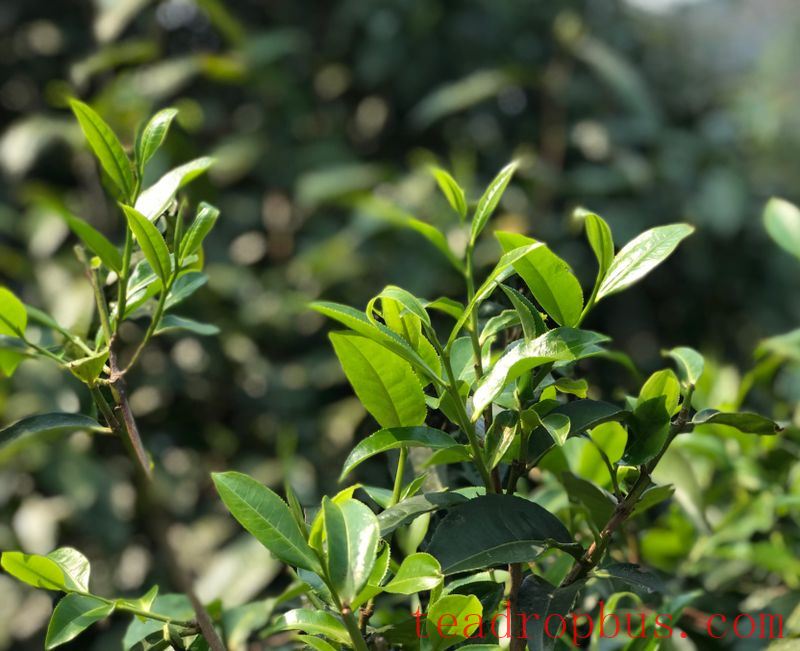
How can we better ensure the quality of Tea during its storage process? Nowadays, many tea farmers are building cold stores to store their tea. Today, we will mainly introduce a technical solution for constructing tea cold stores.
Technical Solution for Building Tea Cold Stores
Firstly, based on the low moisture content characteristic of tea, the construction of tea cold stores must employ comprehensive preservation technologies, taking measures such as low temperature, low humidity, light avoidance, and oxygen removal to maintain stable conditions within the cold store regarding moisture content, temperature, oxygen levels, and lighting, unaffected by external factors.
Therefore, there are additional considerations when building tea cold stores compared to other regular cold stores—
When purchasing tea, we always check if it has become “moist.” Moisture is the biggest enemy of tea—During refrigerated storage, due to the significant difference in humidity between inside and outside the cold store, when removing tea from the store, the tea bags should first be moved out of the cold room and allowed to gradually warm up to near room temperature before opening the bag. If the tea bag is opened immediately after removal, the air's water vapor can condense upon the cooler tea, causing it to become moist and accelerate aging. Therefore, preventing moisture is the primary consideration when building tea cold stores.
Secondly, attention must be paid to selecting a location that avoids direct sunlight when building tea cold stores.
Light contains infrared radiation which can convert into heat, raising the temperature of the tea; ultraviolet light can cause photochemical reactions, accelerating the chemical changes in the tea and thus speeding up its aging and deterioration. This can have a destructive effect on the tea. Therefore, selecting a location for the cold store is very important, and it should avoid areas with direct sunlight or have appropriate sun-blocking measures in place.
Based on the physiological characteristics of tea, its aging process slows down at lower temperatures and accelerates at higher temperatures. The aroma is strongest at 0°C, decreases at 5°C, and is slightly present at 10°C, while at room temperature, it has an aged smell. The color remains stable at 0-5°C for a longer period, and it fades more slowly at 10-15°C. Therefore, setting the temperature correctly is a critical factor when building a tea cold store.
The common temperature ranges for tea cold stores vary according to the type of tea—The temperature control range for Green Tea preservation cold stores is 0-8°C; for Oolong tea (such as Tieguanyin), the temperature control range is around -15°C.
The oxidation of lipids in tea can produce an aged flavor, the oxidation of amino acids can reduce the freshness, and the oxidation of polyacids can make the tea taste bland. If oxygen is cut off, the oxidation and spoilage of tea can be inhibited. Therefore, when building tea cold stores, efforts should be made to prevent oxidation and minimize contact with complex gases from the outside. Simultaneously, when preserving tea, it can be stored in sealed containers such as iron cans, Ceramic jars, insulated bottles, or food bags. It is best to line the containers with non-toxic plastic film. During storage, the containers should be opened as little as possible. When sealing, if possible, vacuum-sealing is recommended to reduce the oxidation of the tea. Using oxygen-extraction and nitrogen-charging bags for tea storage can generally ensure that the tea remains fresh for 3-5 years.
After building a tea cold store, the storage of tea should follow the above points.
Tea must be stored separately. Containers used for storing tea should not be mixed with other items, and cold stores used for storing tea should not store any other items. Tea itself is porous and highly absorbent, so if it is stored without packaging alongside items with odors, it will quickly absorb those odors. Therefore, non-volatile containers, such as camphorwood boxes, should not be used. However, fir wood boxes have a unique fragrance that can blend well with the aroma of tea and even improve its quality, making them suitable for storing tea.
Attention should be paid to ventilating and dehumidifying the cold store before its first use after construction. Additionally, every two to three years, the cold store should undergo a thorough cleaning when the relative humidity exceeds 65%, ensuring cleanliness and fresh air within the cold store, which is beneficial for maintaining the quality of stored tea.
Click the above applet to purchase the book and view detailed information
Title: Refrigeration Technology Design for Cold Stores
Author: Jing Xie
Publication Date: January 2024
In the cold chain logistics, the cold store is the longest-staying link for cold chain products, and the quality of its design and construction is closely related to the preservation quality of the cold chain products. The content of this textbook includes knowledge and skill requirements for the design, construction, and use of cold stores, specifically covering: refrigeration system scheme design, refrigeration load calculation, selection and calculation of refrigeration compressors and equipment, refrigeration system piping design, refrigeration machine room design, cold room equipment layout and airflow organization, industrial ice production, refrigeration technology design documents and construction drawings, food low-temperature storage and management, cold store safety, and cold store energy-saving technology.
Jing Xie, Professor/Doctoral Supervisor, Dean of the School of Food Science and Technology, Shanghai Ocean University, leader of the Shanghai Plateau Discipline of Food Science and Engineering, and scientist for preservation and storage in the National Modern Agricultural Industry Technology System. Selected as a leading talent in the national “Ten Thousand Talent Plan” for scientific and technological innovation, a member of the national “Thousand Talents Program,” and enjoys special government allowances from the State Council. Serves concurrently as Deputy Director of the Cryogenic and Refrigerated Food Branch of the Chinese Society for Food Science and Technology and Deputy Director of the Fishery Products Processing and Comprehensive Utilization Branch of the Chinese Society of Fisheries. Leads the construction of the national first-class undergraduate course “Principles and Techniques of Food Freezing and Refrigeration.”
Table of Contents
Chapter 1 Introduction
Section 1: Food Storage Methods and Warehouse Types
Section 2: Functions and Classification of Cold Stores
Chapter 2 Refrigeration System Scheme Design
Section 1: Refrigeration System Liquid Supply Methods
Section 2: Ammonia Refrigeration Systems
Section 3: Halocarbon Refrigeration Systems
Section 4: Carbon Dioxide Refrigeration Systems
Chapter 3 Refrigeration Load Calculation
Section 1: Basics of Cold Store Refrigeration Load Calculation
Section 2: Cold Store Refrigeration Load Calculation
Section 3: Estimation of Cold Store Refrigeration Loads
Chapter 4 Selection and Calculation of Refrigeration Compressors and Equipment
Section 1: Selection and Calculation of Refrigeration Compressors
Section 2: Selection and Calculation of Condensers
Section 3: Selection and Calculation of Cold Room Cooling Equipment
Section 4: Selection and Calculation of Other Equipment
Chapter 5 Refrigeration System Piping Design
Section 1: Pipe Calculation and Selection
Section 2: Requirements for Pipe Installation
Section 3: Insulation Requirements for Refrigeration Pipes and Equipment
Chapter 6 Refrigeration Machine Room Design
Section 1: General Requirements for Machine Room Design
Section 2: Layout of Machines and Equipment
Chapter 7 Cold Room Equipment Layout and Airflow Organization
Section 1: Cooling Rooms and Freezing Rooms
Section 2: Cooling Object Cold Rooms
Section 3: Frozen Object Cold Rooms
Section 4: Numerical Simulation and Optimization of Cold Store Flow Fields
Chapter 8 Industrial Ice Production
Section 1: Artificial Ice Production
Section 2: Brine Indirect Cooling Ice Production Equipment
Section 3: Direct Cooling Ice Production Equipment
Section 4: Ice Transport
Chapter 9 Refrigeration Technology Design Documents and Construction Drawings
Section 1: General Procedures for Engineering Design
Section 2: Compilation of Refrigeration Technology Design Documents
Section 3: Drawing of Refrigeration Technology Construction Drawings
Section 4: Coordination Between Refrigeration Technology Specialties and Other Specialties
Chapter 10 Food Low-Temperature