When it comes to tea, people often talk about fully fermented, semi-fermented, and lightly fermented teas. Is this the same fermentation process as in common fermented foods like yogurt, wine, and vinegar? What are the differences? Let's explore the concept of fermentation in tea.
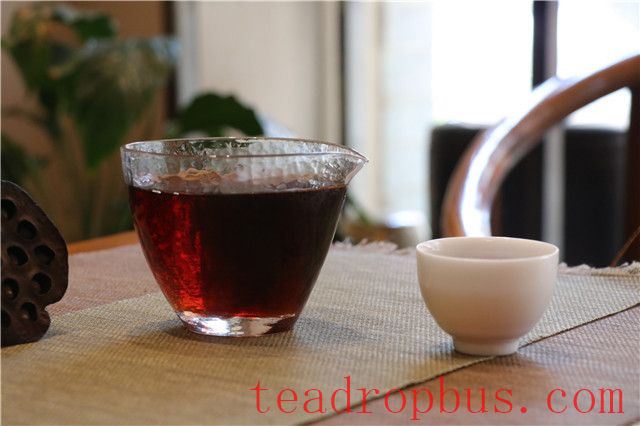
What is Fermentation?
The term “fermentation” usually refers to the decomposition of organic substances by living organisms. The phenomenon of fermentation has been known to humans for a long time, but its essence was only understood in the past 200 years. According to the strict definition in microbial physiology, fermentation is the process by which organic matter is oxidized and degraded into oxidation products, releasing energy in the process.
In industrial production, fermentation is generally defined as any industrial process that relies on the life activities of microorganisms, such as beer brewing and monosodium glutamate (MSG) production. In the context of food, fermented foods are those processed using beneficial microorganisms, giving them unique flavors. Examples include yogurt, cheese, rice wine, pickled vegetables, soy sauce, vinegar, soybean paste, rice wine, beer, and wine.
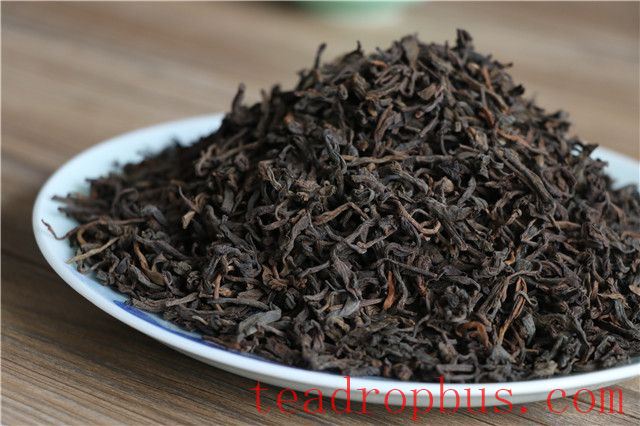
Tea Fermentation – Biological Oxidation
Chinese teas are commonly classified into six categories based on different degrees of fermentation and processing methods. However, the term “fermentation” used in the context of Chinese Tea is entirely different from microbial fermentation. In Tea processing, green leaves are transformed into green tea, Black Tea, oolong tea, etc., through controlled biological oxidation, a process mistakenly referred to as fermentation. This process is more akin to a series of enzymatic reactions and should perhaps be called biological oxidation. In tea, the biological oxidation occurs when the cell walls are damaged, allowing the oxidase enzymes present in the cell walls to promote the oxidation of catechins.
In tea cells, catechins are located in the cytoplasm, while oxidases are primarily found in the cell walls rather than in microorganisms. This explains why the leaves need to be rolled or bruised to initiate the oxidation process. Based on the degree of polyphenol oxidation, teas can be classified as fully fermented, semi-fermented, or lightly fermented. For example, in black tea, the polyphenols are highly oxidized, making it a fully Fermented tea. In oolong tea, where the oxidation level is around 50%, it is considered semi-fermented.
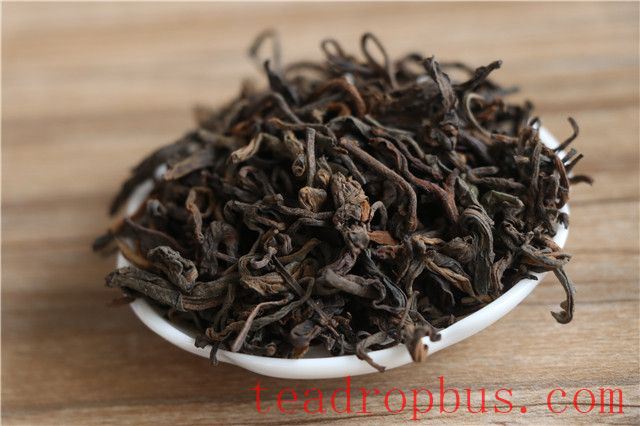
During the processing of black tea, the purpose of fermentation is to oxidize the catechins in the leaves, changing their color from green to coppery red, which is characteristic of black tea. After the cell membranes are damaged, the polyphenols and amino acids within the cells gradually oxidize. The oxidation of catechins also causes chemical reactions within the leaves, contributing to the distinctive color, aroma, and flavor profile of black tea.
The above description covers the basic meaning of the term “fermentation” as it is commonly used in the context of Chinese tea. However, due to the vast variety of tea types and the diverse processing methods, there may be instances where microorganisms also play a role in the production process. For example, in the production of ripe Pu-erh tea, apart from enzymatic reactions, there is also microbial activity during the pile fermentation process. The main microorganisms involved have been identified as Aspergillus niger, Aspergillus oryzae, Aspergillus clavatus, Aspergillus glaucus, Rhizopus, lactic acid bacteria, and yeast. It is important to distinguish between microbial fermentation and biological oxidation to avoid confusion regarding the mechanisms underlying the formation of tea quality.