Since ancient times, the Qingming Festival has been an important traditional festival in China, carrying profound cultural connotations. On these bright spring days, Tea culture, with its unique charm, becomes an indispensable component. Tea tasting becomes an essential way for people to feel the atmosphere of the Qingming Festival and participate in memorial activities.
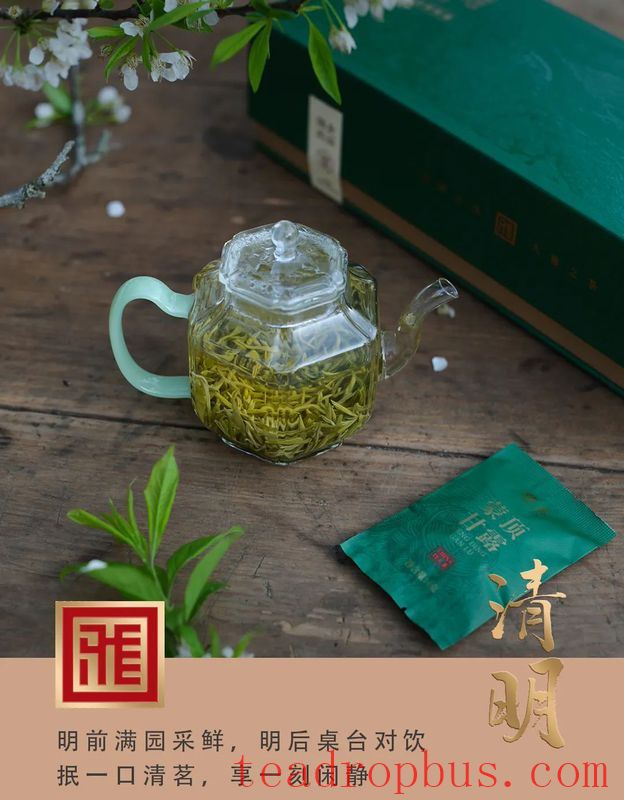
The Origins of the Qingming Festival and Tea Culture
Tea, known as the “national drink,” has had a deep connection with the Qingming Festival since ancient times:
Pre-Qingming Tea: The Qingming Festival is a significant time point for tea. Tea picked and processed before the Qingming Festival is called “pre-Qingming tea,” which is considered high-quality. Since the temperature is generally lower before Qingming and pests are less prevalent, the buds and leaves are tender, with a green color, subtle fragrance, rich taste, and beautiful appearance. The saying goes, “Pre-Qingming tea is as valuable as gold” due to its abundant aroma and flavor compounds.
Tea Offerings to Ancestors: In ancient times, tea was regarded as a sacred item and often used as an offering in rituals. People believed that presenting a Cup of clear tea could express their utmost respect and remembrance for their ancestors.
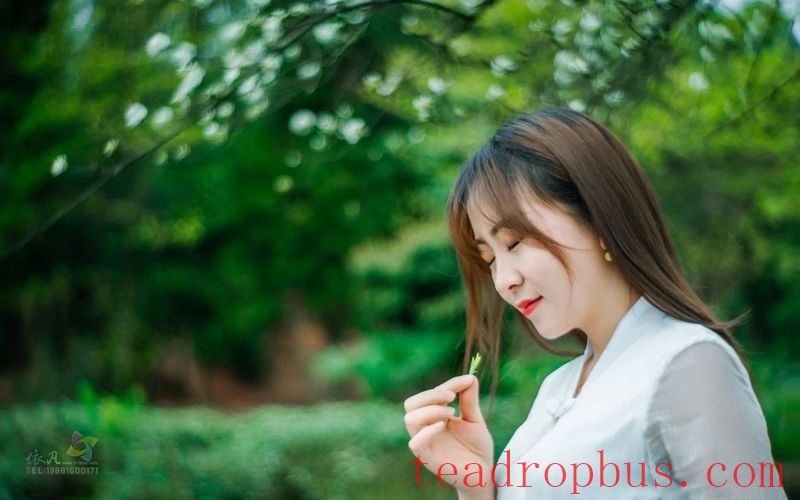
Photography by Li Yifan
Tips for Tasting Pre-Qingming Tea
Pre-Qingming tea is a gift from spring. Each Leaf carries the nourishment of sunshine and dew, embodying boundless vitality. Tasting pre-Qingming tea is an intimate dialogue with nature. By observing its color, appreciating its shape, smelling its fragrance, and savoring its taste, one's soul can find solace in the tea aroma:
Observe Its Color: Observe the color of the tea leaves, including the dry leaves' color and the color of the brewed tea. The colors of the leaves and the tea liquor can reflect the quality of the tea.
Appreciate Its Shape: Admire the shape of the tea leaves, such as the shape of the twisted leaves or the degree of intactness. Different types of tea have distinct characteristics in terms of their appearance.
Smell Its Fragrance: Place the tea leaves in a warm cup and gently inhale the aroma. High-quality tea has a fresh and lasting fragrance, while inferior tea may have a pungent or unpleasant smell.
Savor Its Taste: When tasting the tea, slowly hold the tea liquor in your mouth and carefully experience the texture. High-quality tea has a rich and full-bodied taste, a complex mouthfeel, and a sweet aftertaste. In contrast, poor-quality tea may be bitter, thin, and have noticeable off-flavors.
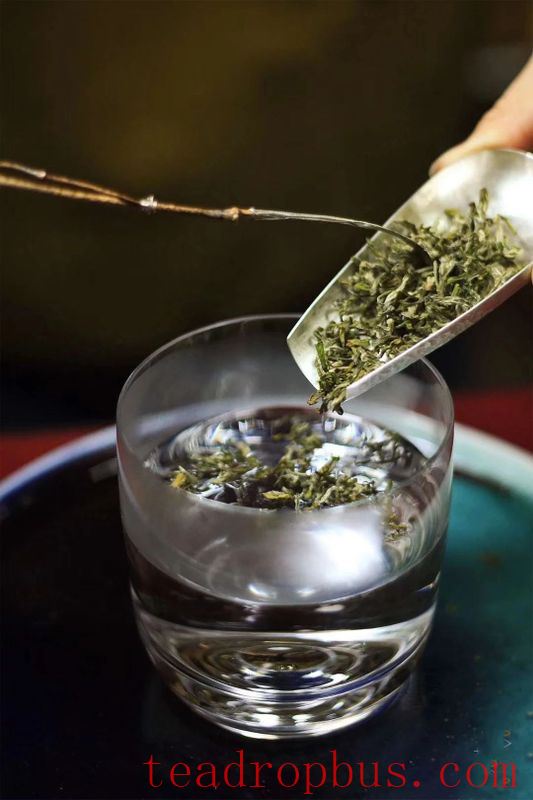
Image source: Internet (please delete if copyright infringement)
Through this process, we can better appreciate the charm of tea culture and improve our ability to judge tea quality, allowing us to enjoy a better tea-tasting experience. Let us on this special day of the Qingming Festival savor the traditional tea culture and feel the warmth and beauty brought by tea.
Contact for deletion if there are any copyright issues