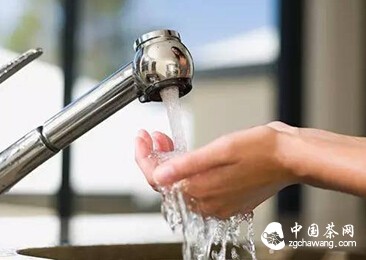
Tap water is the most common domestic drinking water, sourced from rivers, lakes, and other natural bodies. It is processed natural water, classified as temporarily hard water. Due to the presence of chlorine used for disinfection and, if stagnant in pipes for too long, higher iron content, it can affect tea quality. When iron ion content exceeds 0.5‰, it turns the tea broth brown. Chlorides interact with tea polyphenols, forming a "rust oil" layer on the surface, resulting in a bitter taste. Therefore, when using tap water for brewing tea, it is best to store it in a clean container for a day to allow chlorine to dissipate before boiling and brewing. Alternatively, using a water purifier can make it suitable for tea.
2. Purified Water
Purified water, including distilled and reverse osmosis water, is a safe and soft water. It is produced from water that meets drinking water standards through methods like distillation, electrolysis, reverse osmosis, or other processes, resulting in high purity without additives, making it directly drinkable. Using purified water for tea brewing ensures clarity and transparency in the tea broth, with pure aroma and taste, free from odd flavors, offering a fresh and refreshing experience. Many brands of purified water are suitable for tea.
3. Mineral Water
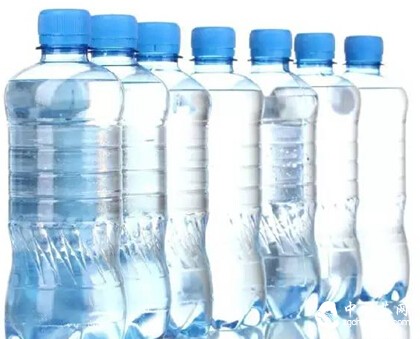
In China, natural mineral water is defined as water sourced from deep underground, either naturally emerging or artificially developed, uncontaminated, containing certain mineral salts, trace elements, or carbon dioxide. Its chemical composition, flow rate, and temperature remain relatively stable within natural fluctuations. Compared to purified water, mineral water is rich in trace elements like lithium, strontium, zinc, bromine, iodine, selenium, and metasilicic acid, aiding in their intake and balancing body pH. However, its suitability varies by person. Depending on the source, mineral water may contain high levels of calcium, magnesium, sodium, and other metal ions, making it permanently hard water. While nutritious, it is not ideal for tea brewing.
4. Activated Water
Activated water includes magnetized water, mineralized water, oxygen-rich water, ionized water, natural return water, and ecological water. These are typically made from tap water, processed through filtration, refinement, sterilization, and disinfection, possessing specific active functions like permeability, diffusivity, solubility, metabolism, detoxification, oxygenation, and nutrition. Depending on the trace elements and minerals, if the water is hard, it may brew poor-quality tea; if temporarily hard, it can produce better tea.