Factors determining infusion endurance
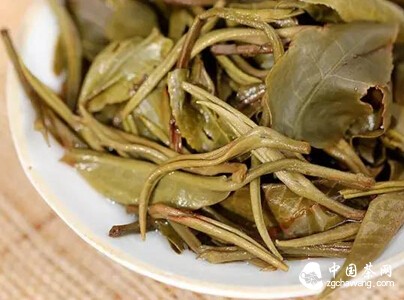
1. Leaf tenderness and integrity
Tea enthusiasts often note that teas made entirely from buds infuse quickly but exhaust fast, while those containing one bud with two or three leaves sustain more infusions. Coarser leaves release their soluble substances more gradually—think thick-skinned and sturdy (this relates to rolling, discussed below). Integrity follows the same principle as broken black tea mentioned earlier: infusion endurance correlates positively with leaf completeness.
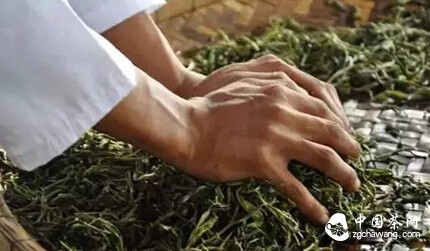
2. Rolling during rough tea processing
The degree of rolling inversely affects infusion endurance. Deeper rolling damages more leaf cell walls, accelerating the release of water-soluble compounds and consequently reducing the number of viable infusions.
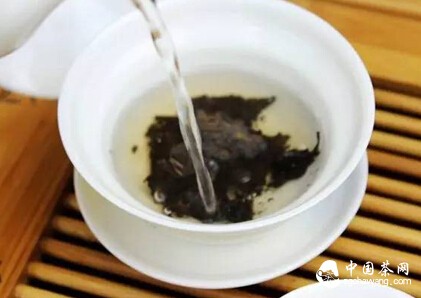
3. Impact of brewing method on infusion endurance
Three primary factors matter here: the ratio of tea leaves to water (less leaf with more water shortens endurance, and vice versa), the speed of pouring out each infusion (slower pouring makes tea exhaust faster), and water temperature (higher temperatures decrease endurance, while lower temperatures extend it).
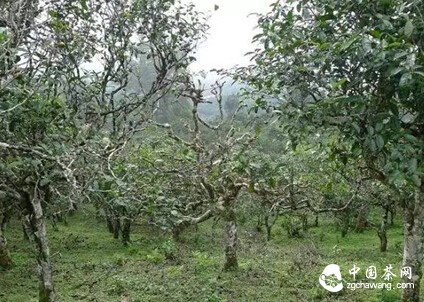
4. Tea tree age and growing environment
These two factors are interconnected. Tree age alone isn’t decisive; climatic and ecological conditions are the real determinants. Comparing tree ages only makes sense under similar environmental conditions—otherwise, it’s like comparing apples to oranges. That said, under equal conditions, deep-rooted ancient trees naturally hold the advantage, while young terrace bushes can only watch enviously.