If you want to drink fresh floral tea, you can grow potted fragrant flowers. Jasmine, four-season osmanthus, lemon blossoms, orange blossoms, and honeysuckle are easy to grow and also delicious. Growing medicinal saffron bulbs fills the whole house with fragrance; steeping two flower stigmas can brew golden-yellow water. Honeysuckle blooms in the evening. Pick some unopened white buds around 4 PM, steep them in water at body temperature, and soon you’ll see the honeysuckle slowly bloom in your teacup.
1. Flowers Suitable for Brewing Tea
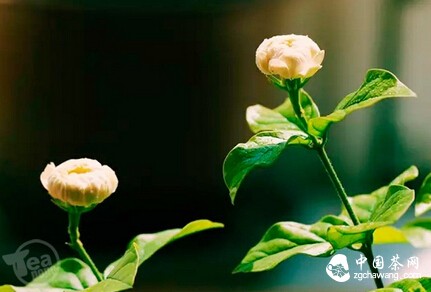
Tiger Head Jasmine looks delicious
When brewing fresh floral tea, it’s best to use cold or warm water without covering the cup. This not only allows the aroma to release slowly but also preserves the petal colors. Using boiling water for fresh flowers and herbs can result in a strange vegetable soup-like taste. Also, when using fresh flowers, it’s preferable to use only the petals, removing the anthers that produce pollen. Without pollen contamination, the herbal tea will taste better.
If using dried flowers, boiling water is necessary, and the cup should be covered. Dried flowers and boiling water work together to extract the medicinal aroma from the herbs. If you have fresh herbs and want the medicinal scent, dry them in the shade and steep with boiling water! Perilla tea and patchouli tea are best brewed with dried herbs.
Wrinkle-leaved spearmint is very easy to grow. Just remember to water it frequently, and you’ll soon have a large pot of fluffy green leaves. If you’re worried about forgetting, buy a hyacinth vase and grow it hydroponically! Freshly picked spearmint sprigs steeped in warm water pair perfectly, with a few osmanthus or jasmine flowers added to complement the minty aroma.
If brewing fresh mint tea with hot water, remove the mint sprigs once the tea turns emerald green; otherwise, the mint will turn brown and the flavor will change.

Lemon is also a refreshing material for herbal tea. If you find fresh lemon slices too sour, rinse them with cool boiled water first to wash away the acidic juice. Then steep in cool water to extract only the light fragrance, with very little sourness.
If you have a potted lemon tree at home, it will bloom many flowers in spring and autumn. Plump white lemon petals steeped in warm water make excellent tea, with a milder, sweeter taste than fruit-brewed tea and no sourness, ideal for those who dislike acidity.
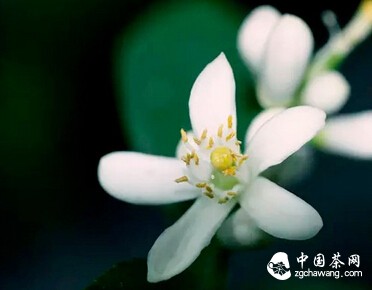
Lemon petals that will bear fruit are fleshy; later blooms become thinner
Sometimes, you can find herbal tea ingredients at the market: steep three or four slices of peeled cucumber in a pot of warm water for a while—it looks refreshing and tastes great in summer. Some fruits can also be brewed this way: pear, carambola, strawberry, fresh jujube, peeled orange segments, and pomelo granules are refreshing when steeped in not-too-hot water, offering a delightful fragrance. Fresh longan, fresh lychee, and dried jujubes have a rich character; steeped in hot water, they provide warmth in winter. However, acidic fruits like apricots and peaches become more sour when steeped in hot water, so be sure to add an extra spoonful of sugar.
2. Flowers Unsuitable for Brewing Tea
Some flowers are not suitable for brewing tea. For example, rose petals from flower shops don’t make good rose tea because the roses used for gifting and those for tea are different species. When breeding cut roses (also known as hybrid tea roses), horticulturists focus more on beauty than flavor, so their tea is not tasty.
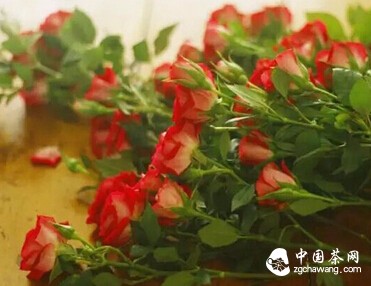
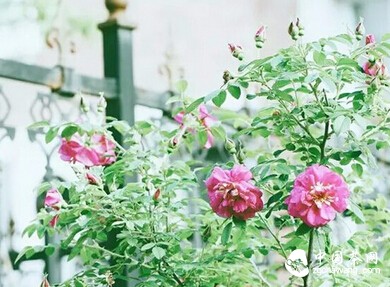
Roses for brewing tea look like this
When producing cut flowers, growers and florists sometimes treat them with chemicals to prevent rot and extend shelf life. So even though chrysanthemums and carnations are edible, it’s better to avoid using store-bought cut flowers. The ideal is growing your own, followed by picking from areas without pesticide contamination. Flowers in parks and residential green spaces are often sprayed with pesticides and may be contaminated.
Important note: Some flowers are toxic. Wintersweet, daffodils, wisteria, daphne, and lily of the valley are fragrant but have varying levels of toxicity; brewing them is harmful to health.
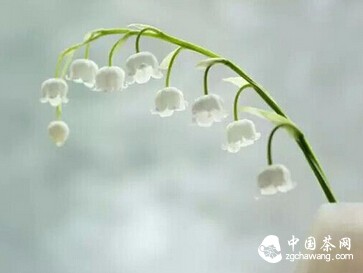
Lily of the valley still looks quite cute
Even if seeking anti-cancer effects, never brew water with the bark, branches, or leaves of yew! It’s very dangerous—it doesn’t cure illness but causes it, with many cases resulting in gastric bleeding. Paclitaxel requires pharmaceutical extraction to be effective; brewing only releases toxins. Moreover, paclitaxel specifically targets cancer cells for anti-cancer purposes and cannot prevent cancer.
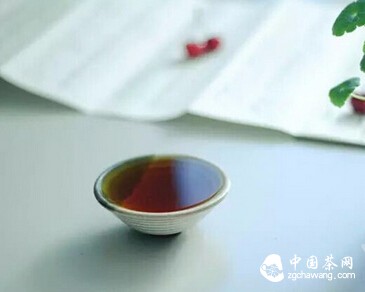
There are yew wood teacups on the market; pouring hot water into them slowly turns the water reddish-purple, as if the efficacy is drifting out like a soul. Many wealthy elderly people desire them, costing tens of thousands with high demand. But actually, yew cups are also harmful to health.
3. Some Interesting Flowers
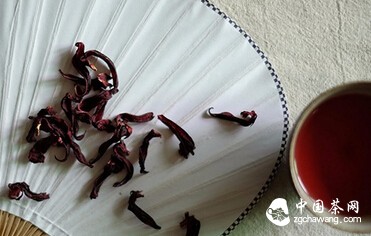
Hibiscus tea
Adding a few drops of lemon or lime juice and shaking can change hibiscus tea, rose tea, violet tea, and perilla tea from purple to pink.
Steeping hibiscus and rose of Sharon petals and young leaves, or tiger lily petals in hot water can add a slippery texture.
Using fresh lily bulbs from the market, peeling until only the core remains, air-drying slightly, and then boiling on high heat can yield lily water lily sugar water.
Some materials dried with a sprinkle of salt yield surprises, like cherry blossoms.
Floral tea placed in beautiful glass jars itself makes a lovely decoration.

Also, using glassware for brewing herbal tea doubles the happiness!
Jars and bottles. Actually, some aren’t tea, just fragrant.
For us plant enthusiasts, the feeling is like a natural attraction—being with plants, growing them, observing, collecting, even just passing by them can bring joy.