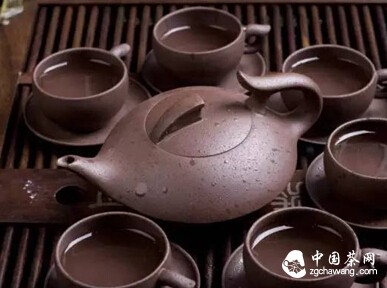
Zisha ceramic art originated in the Song Dynasty and matured during the Ming and Qing dynasties. Today, Zisha teapot modeling art has reached perfection, becoming a unique art form in the world of ceramics.
As is well known, Yixing Zisha has its uniqueness, such as the regionality of its clay material sources; the forming techniques mainly involve clay sheet inlaying and body tube beating, which differ from various forming principles in other ceramic industries. When facing a specific piece, one must first learn to appreciate it before discussing restoration. For example, with the teapot variety form, analyzing from traditional shapes, in the structure of each vessel shape, according to the theories and principles of plastic arts, it consists of points, lines, and surfaces forming the main body and accessories such as the teapot's spout, handle, mouth, base, foot, lid, etc. The proportional appropriateness of various aspects, the structural transition of outline curves, the technical treatment of light and dark surfaces, the contrast between void and solid formed by space and entity—all these are what restoration workers must first understand and master.
For this relatively precious and representative Zisha teapot vessel, the specific restoration steps are:
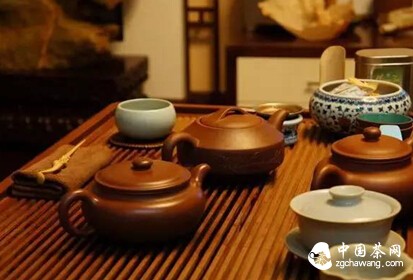
Cleaning and Bonding
Zisha ware can generally be cleaned with clean water or alcohol. For broken Zisha teapot fragments that need bonding, use colorless, transparent, non-discoloring adhesive mixed with appropriate mineral colors. After applying the adhesive evenly, remove any excess with a cotton ball dipped in ethanol. Otherwise, after the adhesive cures, the area around the bond will develop a glossy substance resembling porcelain, affecting the restoration effect.

Filling and Color Matching
When filling missing parts of a damaged teapot, consider the characteristics of Zisha clay: loose structure, rough surface, and good breathability. Therefore, when making homemade Zisha putty for filling, add an appropriate amount of coarse-grained filler. The selection, grinding, and processing of this filler require some foundation in art sculpture and a good feel, enabling the filled area to achieve a slightly rough Zisha-like effect.
For coloring Zisha ware, mechanical spraying is generally not used; instead, traditional manual methods are employed. Use a small bristle brush or cut 2/3 off an oil painting brush tip, leaving a flat tip with 6mm to 8mm of bristle. Dip in color and apply using a flicking motion. Mix several colors for richer variation. The colored dots should vary in size and appear natural, applied repeatedly in layers. Finally, use Chinese herbs and chemical reagents to create tea stains, then apply wax over the tea stain and rust to achieve a patina effect.