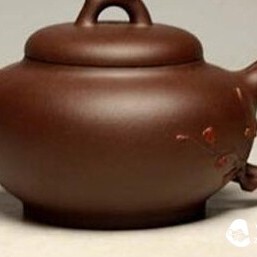
Tea Knowledge — Purple Clay Teapot
The purple clay teapot is a unique handmade ceramic craft of the Han Chinese, originating from Yixing, Jiangsu. Since the Zhengde period of the Ming Dynasty, renowned masters have produced exquisite teapots that blend artistry with functionality. The Zisha teapot is highly valued not only for its pr...
Tea News · May 26, 2026
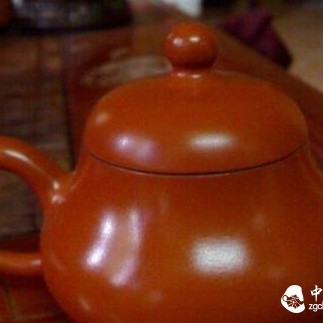
Two Methods for Opening a Purple Clay Teapot (Zisha Teapot)
The purple clay teapot (Zisha teapot is a unique Chinese handmade ceramic craft, originally produced in Yixing, Jiangsu. A new teapot has no luster and cannot be used directly for brewing tea; it requires a series of treatments called 'opening the teapot.' There are two common methods: the traditio...
Tea News · Apr 28, 2026
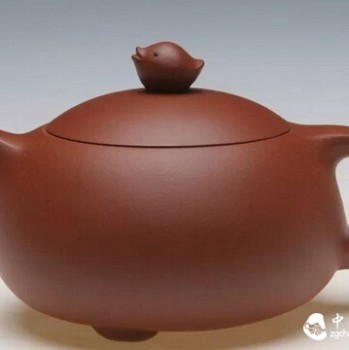
What Types of Tea to Use for Nurturing Zisha Teapots Made from Different Clays
The article discusses how to pair different types of Zisha clay teapots with suitable teas for optimal nurturing and maintenance. It explains that while pairings can be a matter of personal preference, certain guidelines can enhance the teapot's appearance and performance. For instance, light-colore...
Tea News · Apr 08, 2026
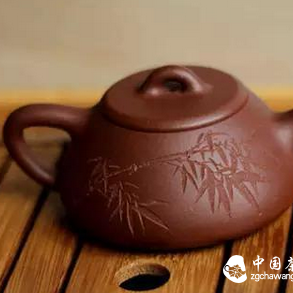
The 'Traditional Method of Opening a Zisha Teapot' is All Here!
A newly fired Zisha teapot cannot be used directly for brewing tea; it requires a process called 'opening the pot.' After opening, it is best to dedicate one pot to one type of tea. There are many methods for opening a pot, but two are commonly used. This article briefly introduces a simple method a...
Tea News · Jan 14, 2026

One Picture to Understand What Kind of Clay Your Zisha Teapot Is Made Of
This guide provides a visual reference to help beginners identify the clay material used in their Zisha (purple clay teapots. It features several illustrative images showing different clay types, textures, and colors commonly found in these traditional Chinese teapots. The content emphasizes that t...
Tea News · Dec 06, 2025
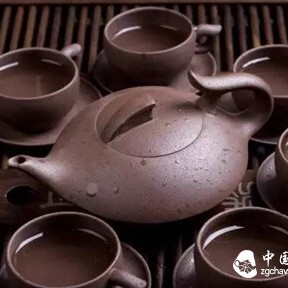
Methods for Repairing Zisha Teapots
Zisha ceramic art originated in the Song Dynasty and matured during the Ming and Qing dynasties. Today, Zisha teapot modeling art has reached perfection, becoming a unique art form in the world of ceramics. The restoration of these precious teapots involves several meticulous steps: cleaning and bon...
Tea News · Oct 06, 2025

Which Zisha Teapots to Use for Brewing Pu'er, Oolong, Scented Tea, Green Tea, Black Tea, etc., to Enhance Aroma!
Most tea enthusiasts prefer small-capacity Zisha teapots (100-200 milliliters for tasting tea, as they help retain the aroma. Teapots under 100 milliliters are suitable for fine, tender, and small-leaf teas. Larger teapots, with better heat retention, are ideal for group tea sessions, especially fo...
Tea News · Jul 24, 2025

How to Identify Authentic Zisha
With the popularity of Zisha teapots, the market has become chaotic, making it difficult for consumers to distinguish genuine products. The key issue is not the absence of authentic Zisha but the inability to recognize it. Authentic Zisha teapots are characterized by crystal or moist light, indicati...
Tea News · Jul 15, 2025
1