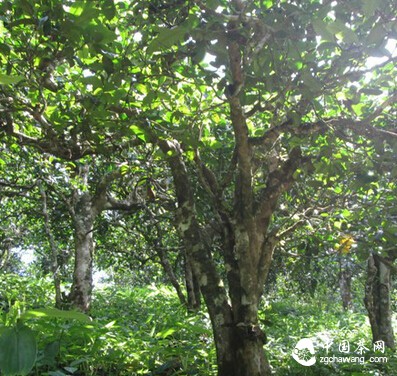
Ancient tree pure material Pu-erh tea is a type of Pu-erh tea that has gradually become known to people in recent years. Generally, ancient trees refer to tea trees over 100 years old. Of course, in the standards of some hardcore tea enthusiasts, any tree less than 300 years old cannot be called an "ancient tree." However, based on my personal tasting experience, the difference between hundred-year-old trees and terrace tea is like the difference between five great mountains and hills, while the difference between hundred-year-old trees and three-hundred-year-old trees is a matter of degree. Therefore, we can leniently set the baseline for ancient trees at the "hundred-year" mark.
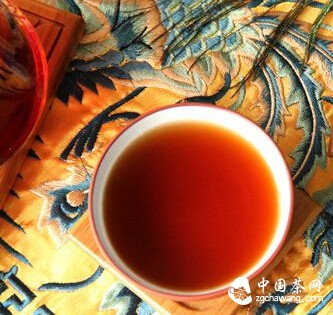
As for pure material, my rough understanding is the unity of "heaven, earth, and time": that is, ancient tree tea picked in the same season from the same region (mountain) under identical climate and soil conditions.
Summary of the 8 forms of ancient tree pure material Pu-erh tea:
The first form of pure material: ancient tree tea from different mountains.
The second form of pure material: ancient tree tea from the same mountain or the same village, regardless of tree age or batch.
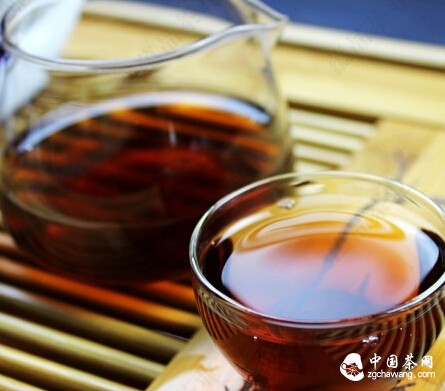
The third form of pure material: ancient tree tea from the same tea garden, regardless of batch or tree age.
The fourth form of pure material: ancient tree tea from the same tea garden, separated by batch, but not by tree age.
The fifth form of pure material: ancient tree tea from the same tea garden, separated by tree age, but not by batch.
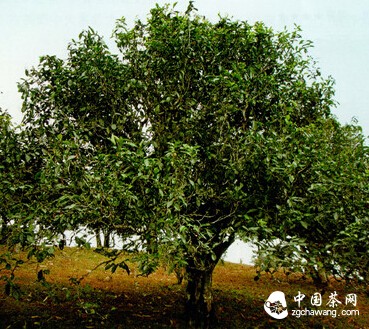
The sixth form of pure material: ancient tree tea from the same tea garden, separated by both tree age and batch.
The seventh form of pure material: single plant.
The eighth form of pure material: tea king tea.
Ancient tree pure material, a concept thrown out like a embroidered ball in recent years, has accidentally caused chaos in the tea market. Terms like "wild," "ancient tree," "original ecology," "inheritance," and "history" are repeatedly chanted by tea merchants. In just a few years, the price of ancient tree pure material has far exceeded its intrinsic value.