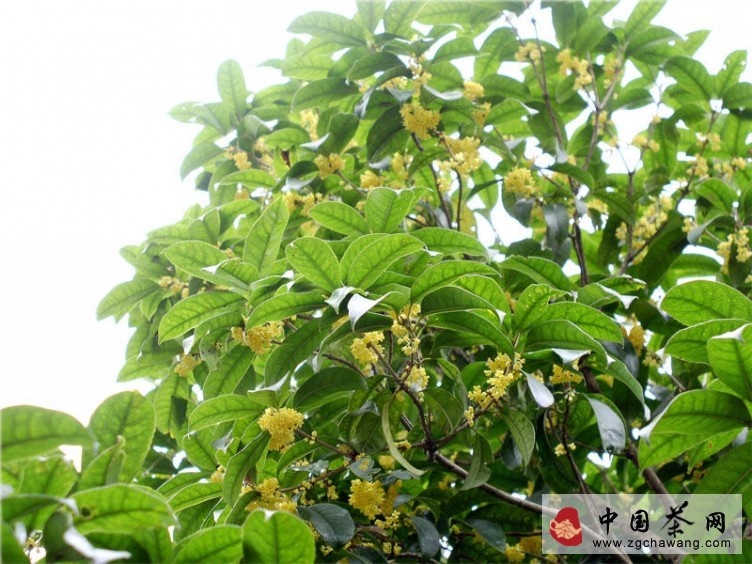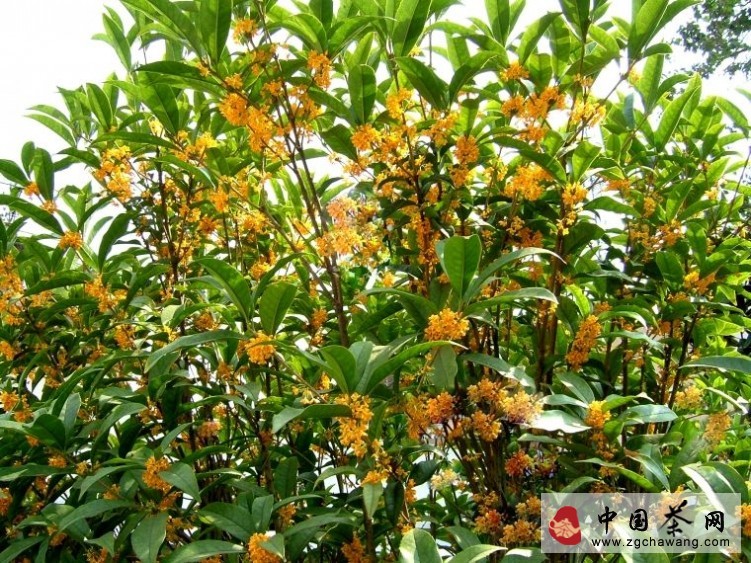
Osmanthus Tree Planting Techniques
First, Planting season: Osmanthus is generally planted in spring or autumn, preferably on cloudy or rainy days. It should be planted in warm, well-ventilated locations with good drainage. After planting, water thoroughly and provide adequate sunlight. For transplanted trees, ensure the root ball remains intact.
Second, Soil quality: Osmanthus trees prefer acidic soil and should avoid alkaline conditions. For potted osmanthus, recommended soil mix ratio is: leaf mold : garden soil : sand : fermented cake fertilizer = 2:3:3:2. The best season for potting is spring.
Third, Light requirements: Osmanthus can be grown outdoors and accepts direct sunlight, but it dislikes intense sun exposure and shady environments. It prefers 6-8 hours of sunlight daily. After winter, when moving sprouts outdoors, first place them in sheltered, sunny locations before transferring to ventilated, sunny spots. Insufficient light during growth period affects flower bud differentiation.
Fourth, Temperature: Osmanthus adapts well to subtropical climates, with optimal growth temperature between 14-28°C. Minimum tolerance temperature is -13°C. When kept indoors during winter, maintain temperature above 5°C but below 10°C.
Fifth, Water management: Osmanthus has high water requirements. After planting, water thoroughly once and spray water on the canopy to maintain humidity. Keep soil moist before new shoots emerge, but avoid fertilized water. Osmanthus doesn't tolerate waterlogging - adding sand to soil can prevent waterlogging and promote root growth.
Sixth, Fertilization: Apply fertilizer frequently in small amounts. Use nitrogen fertilizer in early spring to promote spring shoot growth; phosphorus-potassium fertilizer in summer for abundant flowers and leaves; and inorganic fertilizer or waste compost before winter. Adjust fertilization as needed. Avoid early fertilization for newly transplanted osmanthus.
Seventh, Pruning: Osmanthus has strong sprouting ability, requiring annual pruning in spring and summer. Main methods include:
a. Thinning: Remove dense peripheral branches, water sprouts, and diseased branches to improve ventilation and light penetration.
b. Maintaining height under branches: For mature osmanthus, maintain height under branches at about 1.5 meters, promptly removing sprouting branches from the trunk base.
c. Top branch pruning: For home planting, maintain tree height around 3.5 meters and width about 3 meters, trimming excess growth.
Eighth, Pest control: Osmanthus has few pests and diseases. Common issues include anthracnose, leaf spot, and spider mites. Use Bordeaux mixture, lime sulfur, or dichlorvos for prevention and control.
Ninth, Soil loosening and trunk whitening: Loosen soil and weed during spring and autumn while fertilizing. Whiten trunks once before winter to enhance cold resistance.
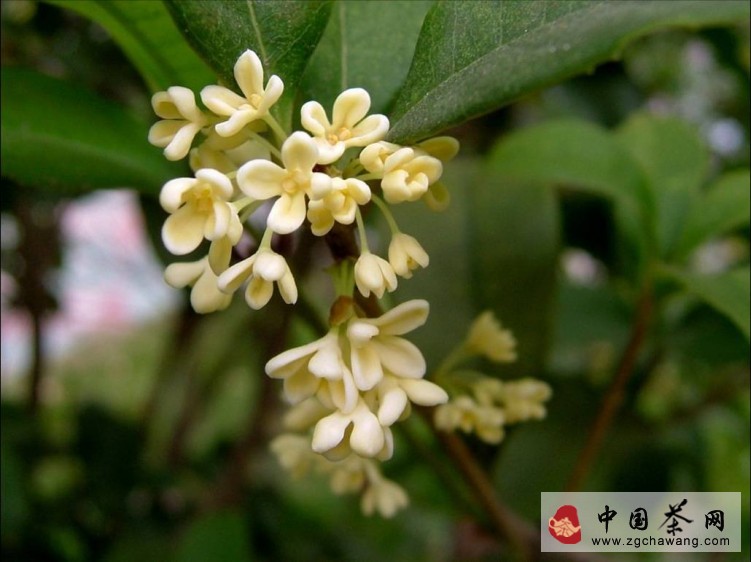
Osmanthus Propagation
Common propagation methods include: cutting, seeding, layering, and grafting.
First, Cutting: The most widely used method, offering fast speed, high survival rate, and low cost. Can use 1-year spring shoots from early March to mid-April, or current-year semi-mature shoots with heels from late June to late August. Steps:
a. Select healthy, plump branches from middle-upper parts or periphery of young trees as cuttings.
b. Cut branches to 10-12 cm length, remove lower leaves, keeping only 3-4 upper leaves.
c. Use slightly acidic, well-aerated, water-retentive soil as cutting medium.
d. Control temperature and humidity - optimal rooting temperature is 25-28°C, relative humidity should remain above 85%. To prevent mold in high temperature/humidity, alternately spray carbendazim and thiophanate-methyl weekly.
Second, Seeding: Produces large quantities of osmanthus seedlings, commonly used in nurseries. Typically yields 25,000-30,000 seedlings per acre. Suitable for street trees but may not maintain original variety characteristics.
Third, Layering: Less commonly used due to osmanthus branches being hard to bend. When used, employs air layering method:
a. Select vigorous 2-3 year old branches and ring-bark a 0.3 cm wide section.
b. Apply GGR6 solution at 100 ppm concentration.
c. Wrap the ring-barked area with plastic film containing mountain soil, leaf mold, moss, etc., water thoroughly, and secure the bag opening.
d. New roots develop after summer-autumn cultivation. Cut rooted branches from mother plant next spring and remove plastic film.
e. Transplant with soil into pots, water thoroughly, place in shade. Move to full sunlight after abundant new shoots emerge.
Fourth, Grafting: Includes two main methods - cleft grafting and side grafting.
Cleft grafting: Cut rootstock 4-6 cm above ground, select fully lignified 1-2 year healthy branches from mature trees as scions. Scion thickness should match rootstock. Smooth scion cutting surface, align cambium layers of scion and rootstock, and bind tightly.
Side grafting: Doesn't require cutting rootstock - directly insert scion into rootstock. Cut rootstock after successful grafting.
Transplanting Mature Osmanthus Trees
First, Transplant timing: Best in February when trees are dormant. Trees become active soon after transplanting, improving survival rate. Avoid summer transplantation.
Second, Branch cutting: Excessive branches consume substantial nutrients and water, requiring appropriate pruning.
Third, Root cutting: To improve survival rate, cut roots at distance three times the trunk diameter from tree stump, applying low-concentration indoleacetic acid solution.
Fourth, Planting: Dig planting hole 1.5-2 times larger than root ball. Fill with mycorrhizal soil, 5-10 kg farm manure, and 2 kg quick-acting phosphorus fertilizer. Carefully lower tree into hole using crane, compact soil, and water thoroughly.
Fifth, Support: Set up triangular support on main trunk to prevent tree shaking.
Sixth, Shade shelter: Build shade shelter during intense sunlight season to prevent sunburn and reduce water transpiration. Remove when weather cools.