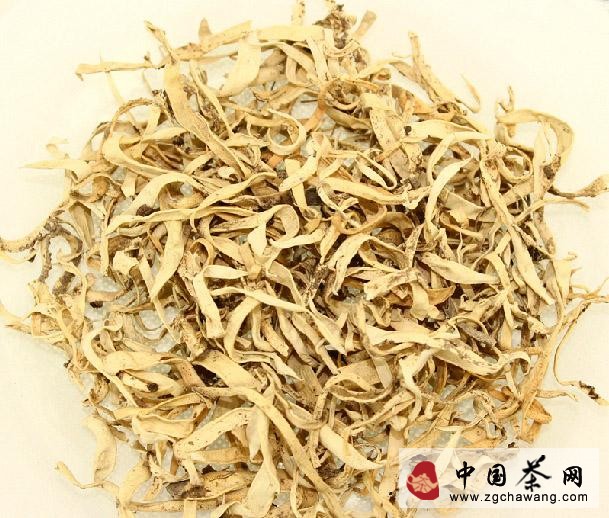
White Snow Tea
White Snow Tea, also known as ground tea or Taibai tea, resembles white chrysanthemum petals and is as pure as snow, hence named Lijiang Snow Tea. It grows in the alpine moss zone above 4000 meters on Yulong Snow Mountain in Lijiang. White Snow Tea is naturally wild and cannot be cultivated artificially. According to "Compendium of Materia Medica Supplements," it has effects such as heat clearance, summer heat relief, lipid reduction, blood pressure regulation, and anti-inflammatory properties.
"Compendium of Materia Medica Supplements" records: "Snow tea is not actually tea, but a natural grass sprout. Local people harvest and roast it to use as tea... When brewed and consumed, it warms the abdomen and has a bitter yet fragrant taste." Produced in snow mountains above 4000 meters altitude, it offers a refreshing sweetness with slight bitterness and contains multiple components beneficial to human health. It can reduce blood lipids, aid weight loss, refresh the mind, clear heat, relieve summer heat, promote saliva production, moisten lungs, and relieve coughs. It shows significant effects on hypertension, neurasthenia, pharyngitis and other conditions. White Snow Tea can be brewed with boiling water alone or mixed with other teas.
White Snow Tea mainly grows in snow mountain regions above 4000 meters and is relatively scarce in quantity. It begins to sprout when it snows, and grows tender leaves when covered by snow - this becomes White Snow Tea, which is actually the leaf of Red Snow Tea. White Snow Tea withstands multiple infusions and can be brewed alone or used as a blending tea. The tea liquor appears golden yellow with white strips floating up and down in the water, creating a pleasing visual effect that stimulates appetite. After drinking, it leaves a lasting sweet and fragrant aftertaste. It has effects such as clearing heat, relieving summer heat, promoting saliva production, quenching thirst, and clearing liver and improving eyesight.