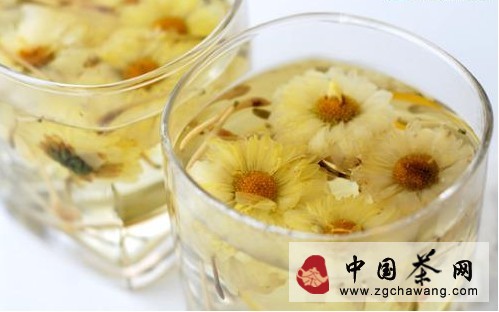
As early as in Qu Yuan's works, there was the phrase "dining on fallen chrysanthemum petals in the evening," referring to consuming chrysanthemum petals. Chrysanthemum wine existed since the Han Dynasty. During the Wei period, Cao Wu once gifted chrysanthemums to Zhong Dao on the Double Ninth Festival to wish him longevity. In the Jin Dynasty, Ge Hong recorded in Baopuzi that people in the mountains of Nanyang, Henan, extended their lives by drinking the sweet valley water where chrysanthemums grew abundantly. Emperor Jianwen of Liang's Ode to Picking Chrysanthemums contains the lines "calling each other, carrying baskets to pick chrysanthemum beads, the morning dew dampening their silk robes," describing the act of gathering chrysanthemums to brew wine. Until the Ming and Qing dynasties, chrysanthemum wine remained popular; it is recorded in Gao Lian's Eight Treatises on Living the Life of Ease from the Ming Dynasty as a prevalent health drink.
On the Double Ninth Festival, there is a traditional custom in China of drinking chrysanthemum wine. In ancient times, chrysanthemum wine was regarded as an "auspicious wine" essential for the festival, believed to dispel disasters and pray for blessings.
The brewing of chrysanthemum wine in China was already prevalent during the Han and Wei periods. According to Miscellaneous Records of the Western Capital, "When chrysanthemums bloom, their stems and leaves are gathered, mixed with millet, and brewed. It matures by the ninth day of the ninth month the following year, hence it is called chrysanthemum wine." Tao Yuanming of the Jin Dynasty also stated, "Wine can cure all ailments, chrysanthemums can restrain aging." Gradually, drinking chrysanthemum wine became a folk custom, especially during the Double Ninth Festival. Records of the Seasonal Years in Jing-Chu notes, "On the ninth day of the ninth month, wear dogwood, eat lotus seeds, drink chrysanthemum wine, and ensure longevity." By the Ming and Qing dynasties, various herbs were added to chrysanthemum wine, enhancing its efficacy. The preparation method involved: decocting sweet chrysanthemums for their juice, then fermenting with yeast and rice, or adding herbs such as Chinese foxglove, angelica, and wolfberry.
As chrysanthemum wine can dispel wind and heat, nourish the liver and brighten the eyes, and reduce inflammation and toxins, it holds significant medicinal value. The Ming Dynasty medical scholar Li Shizhen pointed out that chrysanthemums have the efficacy of "treating headaches, improving hearing and vision, eliminating atrophy and paralysis, and curing various diseases."
In ancient times, chrysanthemum wine was specifically brewed during one Double Ninth Festival for the next. On the ninth day of the ninth month, the first blooming chrysanthemums and some green leaves were picked, mixed with grains intended for brewing, and then fermented together. The wine was stored until the following Double Ninth Festival for consumption. Legend has it that drinking this wine could prolong life. Medically, chrysanthemum wine can improve eyesight, treat dizziness, lower blood pressure, and has benefits for weight loss, lightening the body, tonifying liver energy, calming the stomach, and benefiting the blood. During the festival, with the clear autumn air and chrysanthemums in full bloom, golden hues adorn windows and fences. Beyond climbing heights and wearing dogwood, friends and relatives invite each other to drink chrysanthemum wine and admire the yellow flowers, creating a unique charm. Poets, in particular, enjoyed chrysanthemums, drank wine, composed poems, and exchanged verses, leaving behind many famous lines for posterity.
Due to chrysanthemum wine, the Double Ninth Festival also became the Wine God Festival, worshipping the deity of the wine industry. As introduced in Shandong Folklore: Double Ninth Festival, Shandong wineries offer sacrifices to the vat god, Du Kang, on this day. In Maotai Town, Renhuai County, Guizhou, brewing begins on the Double Ninth Festival each year, as it is believed that the abundant yang energy on this day ensures good wine. When the initial wine is distilled, owners light incense and candles at the altar of "Master Du Kang" and make offerings praying for successful brewing (see Collection of Chinese Folk Customs). In Ningyuan, Hunan, people "compete to brew wine, called Double Ninth wine" every ninth day of the ninth month. These customs illustrate the profound relationship between the Double Ninth Festival and wine.