Buying Tea: Taste is the Key!
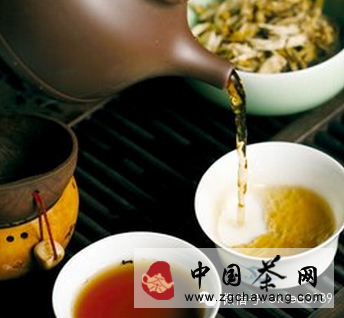
Ordinary tea enthusiasts should truly trust their own palate, not so-called "vintage." No matter the year of the tea, only under suitable conditions, combined with an appropriate tea base and proper transformation, can it produce a good cake of tea. If a tea cake feels clean to you, tastes good, is reasonably priced, and you think it's worth it, then just buy it.
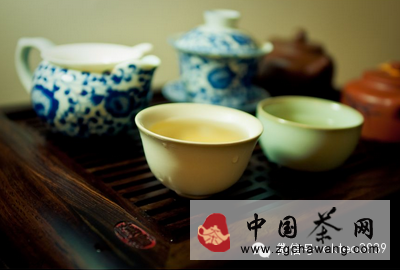
Knowledge Expansion
【Lincang Tea Culture】The various ethnic groups in Lincang have created a brilliant tea culture over the long course of history, which is a wonderful flower in the Chinese national tea culture. For example, the Wa people have fresh leaf tea, charcoal tea, raw boiled tea, salty tea, tea glue tea; the Dai people have glutinous rice fragrant tea, bamboo tube tea; the Bulang people have green bamboo tea, sour tea, roasted rice tea, bamboo tube honey tea; the Lahu people have roasted tea, charcoal tea, engagement tea, oath-taking tea.
Raw Pu-erh tea and ripe Pu-erh tea are two teas with completely different styles, and storing raw tea and ripe tea together should be strictly avoided. The aromas of both types of tea change over storage time. If raw and ripe teas are stored mixed together, the aromatic substances cross-adsorb and can mask or alter each other, resulting in tea that is difficult to obtain a pure, natural scent, making the tea's character杂乱不真 (disorganized and impure) and reducing its value.
"Water Blue Mark" refers to a type of raw and ripe tea from 1997 produced by Menghai Tea Factory for Pu-erh tea. But as time has passed, it has become increasingly scarce and thus precious. It is called "Water Blue Mark" because the character "茶" (tea) on its outer packaging is distinctly water blue, different from other colors like red, yellow, green, hence the name "Water Blue Mark". The raw tea from that year had the code 7542 and the ripe tea had the code 7572.
Brewed tea leaves still contain nutrients such as inorganic salts and carbohydrates. Piling them in flower beds or pots can help the development and reproduction of flowers and plants.
Musings
Tasting the flavors of life, how can one just skim the surface? There is Zen meaning in tea, meaning lies in that lofty and ethereal artistic conception akin to the Great Way of Heaven and Earth. The tea's rising, falling, floating, and sinking are just like worldly affairs; the tea's transition from strong to light is like human relationships; the varying tastes of tea are like a journey. Life requires calmness and composure. Using feeling to brew tea, using a tranquil heart to comprehend Zen, facing life with a heart free from fame and gain, isn't that also comprehending some Zen essence?
For Zen Buddhism, tea is both a tool for health preservation, a path to enlightenment, and a method to embody the Way. These three realms—health preservation, enlightenment, and embodying the Way—for Zen, occur almost simultaneously. Zen and tea are one flavor, naturally yet truly causing two separate independent things to become united. Savoring a cup of tea and carefully contemplating the oneness of Zen and tea, one less regret remains in life.
"What reaches the mouth is tea liquor, what reaches the heart is the nature of tea." The water, source of all things; the tea, spiritual beauty of mountains and rivers; and you, in the mundane world, are fixed in the same time and space. Only the ethereal tea fragrance comes from nothingness and goes towards nothingness. Using the mind that captures tea to capture one's own mind, the instant is eternity. Having no tea in the eyes, but having tea in the heart, moved by the blend of water and tea between each breath and exhalation. Picking a flower without the Buddha's hand, how can the Dharma be transmitted? Brewing tea without the heart's thought, how can one discuss the Way?
【The Changing Taste of Tea】There is a recollection in Mr. Er Yuehe's "Words of Er Yuehe": "When I wasn't even as tall as a sesame stalk, I followed my clansmen brothers to deliver tea to the adults in the fields. The tea was brick tea dust, steeped full in a thermos with boiling water... that flavor, now no matter how high-grade the tea, I can't drink it anymore." The taste of tea, how has it changed?
Accompanied by tea, quietly observing the calm and composed manner of brewing tea, lowering the eyes and relaxing the breath, enjoying the tranquility, focused between the cup and pot, seemingly beyond the world. Savoring its charm in detail, soothing the heart, spring breeze and gentle rain, summer flowers and autumn dew, converge here. The worldly vanity is merely a fleeting cloud.
Tea. Fragrant leaves, tender buds. Admired by poetic guests, loved by monastic families. Ground carved white jade, sifted through red gauze. Brewed yields yellow pistil color, bowl swirls curved dust flowers. Invited to accompany the bright moon after night, commanded to face the dawn before morning. Washes away the fatigue of ancient and modern people, how can it be praised when nearly drunk.
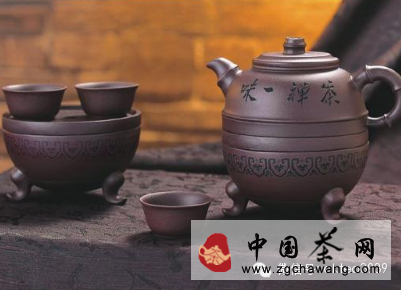
【Tea Lover's Musings】1 Don't underestimate anyone, just as a true tea person never belittles any tea; 2 You don't have that many spectators, don't be so tired; 3 Be gentle with people and matters. Don't lose your temper arbitrarily, no one owes you anything. 4 If it's very painful now, look back after a while, it won't seem like a big deal. 5 Cut ties with people who have ill intentions towards you. One must have absolute breaks to have closest friends. 6 Fall in love with a type of tea, drink it often, and you will find she is truly good to you!