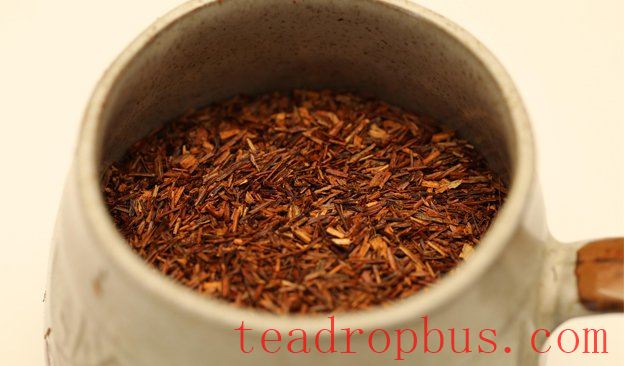
China and South African rooibos strike a new trade partnership.
South African rooibos seeks to re-enter the Chinese market. A Memorandum of Understanding (MoU) was signed at the China International Import Expo (CIIE) in Shanghai between the Western Cape-based company Carmién–Bergendal Rooibos Tea and the Chinese importer ChanX Group. While previous attempts to break into the Chinese market stalled, Carmién–Bergendal is optimistic that newly lowered tariffs on South African tea and growing demand for health and wellness products will turn China into a top rooibos destination.
Rooibos on the Rise
According to Strategic Revenue Insights, the global rooibos market is estimated to be worth $1.2 billion by 2033, with a compound annual growth rate (CAGR) of 6.5% from 2025 to 2033. The South African Rooibos Council (SARC) reports that more than 20,000 tons of rooibos are produced annually, generating income for approximately 8,000 people in South Africa.
In May 2021, rooibos became the first African product to be registered in the European Union with Protected Designation of Origin (PDO) status. Endemic to the Cederberg Mountain range located in the Western Cape province of South Africa, rooibos (Aspalathus linearis) thrives at higher altitudes and prefers arid, hot summers followed by cooler, wet winters.
Rooibos’ rising popularity is driven by its associated health benefits and lack of caffeine. It is exported to more than 50 countries worldwide, with Japan, Germany, and the Netherlands leading the list.
While China is currently the 11th largest importer of rooibos, Carmién’s International Sales Manager, Charl Rudman, expects the market to grow quickly, stating, “There’s real optimism that China could become one of the top rooibos export markets in the next few years.”
China’s Growing Health and Wellness Market
Jam-packed with high levels of calcium and magnesium, antioxidants, and anti-inflammatory properties, studies claim that rooibos tea aids stress reduction, fights insomnia, and lowers blood pressure and cholesterol levels. Rooibos extracts are utilized in beauty and skincare products for their rejuvenating and restorative properties.
Chinese consumers demonstrate a growing interest in health and wellness products, with one in four citing concerns about sleep quality, joint and muscle pain, and poor digestion. Market Research Intellect values the Chinese Health and Wellness F&B Market at $13.5 billion in 2025, and expects it to grow at a CAGR of 9.05% from 2026 to reach $22.8 billion by 2033.
The Healthy China Initiative 2019-2030 is a long-term strategy that prioritizes health in government policy, aiming to educate the public about healthy lifestyle choices, physical fitness, and improved dietary habits.
Chinese products and brands that promote targeted health claims about functional ingredients (such as rooibos tea) are poised to capture a larger portion of the market share. Already, popular RTD brands in China are experiencing a significant shift in sales toward sugar-free and reduced-sugar iced tea options.
Japan’s massive appetite for healthy tea tripled rooibos exports to the country in just a decade, with 21,153 tons shipped to the country in 2024, making Japan the world’s largest rooibos importer.
Promising New Partnerships
Recently lowered tariffs and China’s growing interest in functional ingredients promise to make this new trade partnership with South Africa a fruitful one. “Early attempts to market rooibos in China faced challenges due to low awareness and import duties above 30%,” said Rudman. “Thankfully, government interventions helped reduce duties to 7%, making our re-entry possible.”