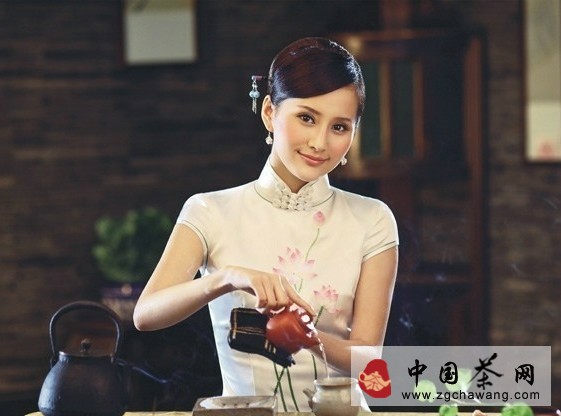
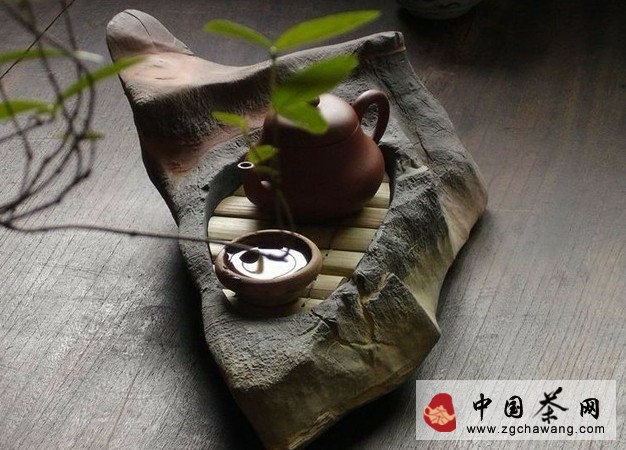
Whether you are operating a tea shop or a tea house, development must contain cultural depth. This culture becomes a specially significant culture - tea culture, and it must cater to diverse consumers, whether refined connoisseurs or ordinary people; business clients or casual friends. Therefore, operators face an unavoidable question: what is tea culture? Only by accurately grasping this can one excel in this aspect, because unlike commercial atmosphere that can be heard, seen, and copied, even those in the tea industry who care about tea culture don't fully understand it. No wonder media friends can only touch upon it briefly. It's truly "The Tao that can be told is not the eternal Tao." There have been endless debates about this, but few can see it clearly and explain it plainly. We believe tea culture refers to people's understanding of tea, and based on this, the application and various (artistic, etc.) creative processes. We call it a process because tea culture is primarily practice-based, and tea shops and tea houses are excellent forms of this. From this understanding, culture varies according to tea types, history, geographical environment, cultural background, local customs, folk habits, and participants' conditions. Tea ceremony, tea art, Gongfu tea, etc., are merely forms within it. However, no matter how the forms expressing cultural内涵 evolve, they should at least prevent most participants (or customers) from feeling completely lost, and should achieve communication at different levels.
Therefore, operators must pay attention to the following points.
一、Tea Knowledge
As a tea operator, the first requirement is to master rich tea knowledge: basic tea cultivation knowledge, tea origins, tea varieties, tea processing, where various teas grow? The origins of local famous teas, tea quality identification, tea price fluctuations, tea art, tea ceremony, tea culture, and related tea utensil knowledge, etc. Simultaneously, continuously understand market demands, grasp changes in tea consumption, update business concepts, and predict trends in tea consumption changes.
二、Strict Quality Control
Product quality is a crucial factor determining a store's success, especially for tea. Therefore, when purchasing tea, never let personal relationships interfere; strictly control quality. Examine appearance, smell the aroma, measure moisture content, brew tea, taste the flavor, inspect the brewed leaves, evaluate price - be meticulous. Don't seek shortcuts or cheap options, or easily trust others. It's best to choose suppliers with scale, strength, and intangible assets.
三、Scientific Purchasing
Tea is highly seasonal, requires strict storage, and has numerous varieties. This demands operators have a clear and flexible mind when purchasing. Never take the easy way out by stocking large quantities at once. Base purchases on your operational scale, last year's sales volume, understanding of market dynamics, and predictions for the current year's sales. Purchase appropriately. Be especially cautious with high-grade, famous teas; don't buy large quantities just for high profits. Adopt a 'sell how much, buy how much' approach, buying small amounts frequently. Otherwise, after a year of hard work, being stuck with a large stock of tea and the depreciation of old tea is truly disheartening. New entrants to the tea industry must be particularly careful, ask experts more questions, make more trips, because you simply can't afford the losses.
As retailers, establish information files for wholesalers and manufacturers to facilitate timely contact when stock is low, thus avoiding the矛盾 of shortage versus overstock.
四、More Importantly, Improve the Overall Quality of Sales Staff
The key to operation lies in the overall quality of the sales staff. Sales staff are the eyes of the store. Improving their overall quality is the most critical环节 in running a successful store. As a salesperson, first have good cultural literacy and master professional knowledge about tea, including tea types, origins, quality standards, characteristics, brewing methods, storage methods, etc. Also possess comprehensive knowledge like tea art, tea ceremony, tea etiquette, tea tasting, tea evaluation, tea history, etc. Sales staff interact directly with customers and are key to whether a tea shop or tea house generates profit. They should generally possess the following professional qualities:
1. Attractive Appearance: Neat and clean attire, timely style, aesthetically pleasing and generous, sincere and honest expression - neither forced smiles nor expressionless. Demeanor should be亲切, natural, and enthusiastic. No disheveled hair, no dyed colorful hair, no nail polish, no perfume, no expensive jewelry. Posture should be natural and appropriate, not affected.
2. Keen Powers of Observation and Judgment: Sales staff must have the ability to "read people," inferring a customer's status from their appearance, recommending different teas to different customers, which will certainly increase the success rate.
3. Relatively Flexible and Accurate Reaction Ability: As customers have different levels and requirements, this places higher demands on the salesperson's reaction ability. They should be able to respond quickly to different customer requirements, understand and grasp the customer's purchasing intent, and promptly provide answers or services. Summarizing the service reception method as "serve one, ask about the second, contact the third" is a specific manifestation of flexible response.
4. Excellent Language Expression Skills: Language is a tool for communication and an important means of providing information and exchanging feelings. Language expression is very important for sales, directly related to效益. Should speak Mandarin, avoid service taboos, speech should be moderate, master the tone -亲切自然, polite and sincere. Address people appropriately, use different polite language for different customers, be flexible.
5. Strong Self-Control Ability: Because the salesperson's work environment is monotonous and customer personalities vary, this requires sales staff to control their emotions well. No matter how挑剔 the customer, maintain a good attitude, answer patiently without getting tired of numerous questions. When encountering unreasonable customers, never lose your temper; explain patiently. "The customer is God" - please remember this firmly.
6. Possess Certain Financial Knowledge: Sales staff should have some financial knowledge, including the ability to identify currencies and various checks, and correctly fill out invoices. As sales personnel, they should also possess various packaging skills - bag packaging, paper packaging, box packaging, canister packaging.
In summary, a salesperson must possess basic tea knowledge, as well as a good appearance, keen observation and judgment, relatively flexible and accurate reaction ability, excellent language expression skills, strong self-control ability, and certain financial knowledge and professional expertise to better and more professionally serve customers. How important sales staff are, operators understand perfectly. I hope everyone will spare no expense in providing professional training for your sales staff. "Sharpening the axe won't delay the job of cutting firewood" - this point cannot be neglected. Otherwise, spending a "huge sum" to open a tea shop or tea house only to lose money due to poor sales staff quality is truly not cost-effective.
Operating a tea shop or tea house involves not just selling tea itself, but more importantly, the platform for tea culture and exchange. Understanding basic tea knowledge, brewing techniques, and evaluation methods allows one to operate a tea shop or tea house with ease. Coupled with superb hospitality and communication skills, and the professionalism and due职业道德 of the staff, at least your tea shop or tea house will not be "deserted with few visitors."