Scientifically, based on the different growth characteristics of tea trees during various periods, they are divided into four biological age periods: seedling stage, juvenile stage, adult stage, and senescence stage.
The seedling stage refers to the period from the germination of the tea seed to the emergence of the seedling and the occurrence of the first growth cessation.
The juvenile stage of a tea tree refers to the period from the first growth cessation to the first appearance of flowering and fruiting.
The adult stage of a tea tree refers to the period from the first flowering and fruiting to the first occurrence of natural renewal.
For naturally growing, unattended "wild" or "abandoned" tea trees, influenced by different growing conditions, the duration of the adult stage varies greatly, ranging from over a hundred years to several decades. Determining whether such tea trees are "old" mainly depends on the strength of their growth vigor, observing the number of flowers and fruits, and whether "natural renewal" occurs at the roots.
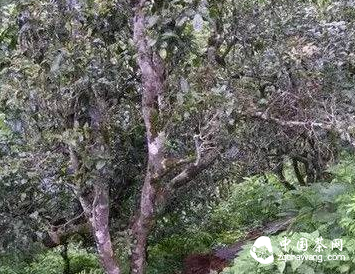
After natural renewal occurs, the tea tree enters the senescence stage. After several cycles of renewal, the tree gradually approaches death. In cultivated conditions, the economic production lifespan is generally only 40–60 years; for naturally growing, unattended, and minimally stimulated "wild" or "abandoned" tea trees, it can reach several hundred years.
In summary, what people commonly refer to as an "old tea tree" can be defined as a tea tree over 30 years old.