The Seven Most Worthwhile Smiles in Life
To smile calmly when at a disadvantage is a kind of openness;
To smile gently when misunderstood is a kind of refinement;
To smile淡然 when wronged is a kind of magnanimity;
To smile optimistically when helpless is a kind of realm;
To smile composedly in danger is a kind of broad-mindedness;
To smile peacefully when slighted is a kind of self-confidence;
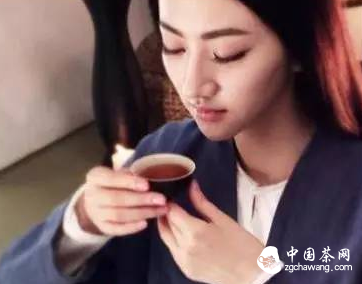
To smile contentedly when finding good tea is a kind of satisfaction.
Ten Commandments of Tea Drinking
1. Tea before meals leads to weight loss, depriving you of delicious flavors.
2. Tea after meals aids digestion, but beware of gallstones.
3. Drinking tea on an empty stomach may cause 'tea drunkenness'.
4. Do not drink scalding tea to avoid health issues.
5. Do not drink cold tea for clear-headedness and refreshed spirits.
6. Do not take medicine with tea to prevent affecting efficacy.
7. Do not drink tea that has been brewed too many times.
8. Do not drink overnight tea.
9. Do not drink tea that has been steeped for too long.
10. Do not drink overly strong tea.
Tea Should Not Be Poured Too Full, Nor Should Life
Since ancient times, the greatest taboo in life is fullness; half-poverty, half-wealth brings half-contentment!
Half-fate, half-heaven, half-opportunity; half-taking, half-giving, half-performing good deeds!
Half-deaf, half-mute, half-obtuse; half-wise, half-foolish, half-sage!
Half-others, half-self, half-freedom; half-awake, half-drunk, half-immortal!
Half-affection, half-love, half-joy and sorrow; half-worldly, half-Zen, half-following fate!
Half of life depends on me, the other half listens to nature!
A life that is not too full may perhaps be truly complete.
Appreciating Tea Involves the "Five Senses"
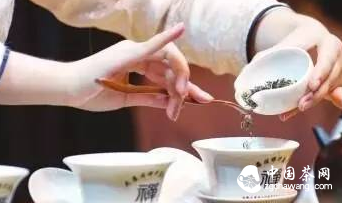
"Five Senses" refers to mobilizing all the sensory organs of the human body to attentively savor and appreciate tea.
The "Five Senses" are respectively:
"Ear Appreciation" – Listen carefully to the host's introduction;
"Eye Appreciation" – Observe the tea's appearance, shape, and the color of the tea soup, etc.;
"Nose Appreciation" – Smell the tea's aroma;
"Mouth Appreciation" – Evaluate the taste and aftertaste of the tea soup;
"Heart Appreciation" – Elevate the appreciation of tea from a material, sensory level to a cultural height.

Tea Nourishes Life
1. Tea nourishes the wise. The wise gain tea's clarity, thus they are not confused.
2. Tea nourishes the benevolent. The benevolent gain tea's pure sweetness, thus they are not worried.
3. Tea nourishes the courageous. The courageous gain tea's clean strength, thus they are not afraid.
4. Tea nourishes the determined. The determined gain tea's清远 (clarity and far-reaching quality), thus they do not give up.
5. Tea nourishes the disciplined. The disciplined gain tea's清苦 (clarity and bitterness), thus they are not decadent.
6. Tea nourishes the refined. The refined gain tea's清高 (clarity and nobility), thus they are not tainted.