Everything has two sides. Drinking tea is beneficial to the body, but it also requires attention. If consumed at the wrong time, it may instead harm your health. It is best to avoid drinking tea during the following four time periods.
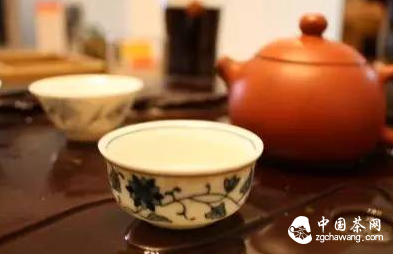
On an empty stomach
Because tea leaves contain alkaloids such as caffeine, drinking tea on an empty stomach can lead to excessive absorption of caffeine by the intestines, which may cause overstimulation symptoms in some people, such as palpitations, dizziness, weakness in the limbs, and mental confusion. Those who do not drink tea regularly, especially when drinking tea on an empty stomach in the morning, are more likely to experience these symptoms. This is known as "tea drunkenness." If tea drunkenness occurs, sucking on candy or drinking some sugar water can help relieve it. Compared to younger people, the elderly have more fragile digestive systems. Middle-aged and elderly people with gastric or duodenal ulcers should especially avoid drinking tea on an empty stomach, particularly strong tea. Excessive tannic acid can irritate the gastrointestinal mucosa, worsening the condition and potentially causing indigestion or constipation.
When intoxicated
Tea stimulates the central nervous system. Drinking strong tea after intoxication increases the burden on the heart. For elderly people with poor heart or kidney function, it is especially important not to drink large amounts of strong tea after alcohol consumption. Methods such as eating a large amount of fruit or taking small sips of vinegar can be used to speed up the body's metabolism and alleviate intoxication.
Before bedtime
Substances like theophylline in tea, once absorbed by the body, have a clear stimulating effect on the central nervous system. Drinking tea can lead to mental excitement, affect sleep, and even cause insomnia, especially with freshly picked green tea, which has a more pronounced effect. Additionally, tea has a diuretic effect. Elderly people drinking tea before bed may experience frequent urination at night, affecting sleep quality.
During medication
Some elderly people with chronic illnesses require long-term medication, and many drugs should not be taken with tea. Examples include sedative sleep aids and anti-arrhythmic drugs. Theophylline can reduce the analgesic effect of certain medications, so it is also not advisable to drink tea while taking pain relievers.