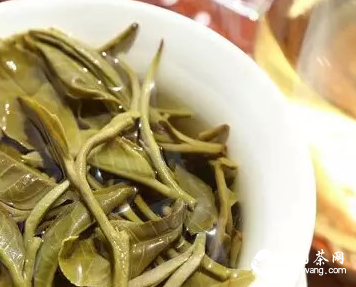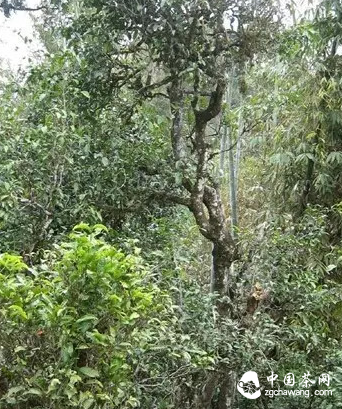
Pu-erh tea has chemical components similar to those of general tea, with the difference being that Pu-erh tea, made from Yunnan large-leaf varieties, exhibits the characteristics of "three highs and one low." The "three highs and one low" refer to high contents of tea polyphenols, alkaloids, and water extracts, and a low content of amino acids.
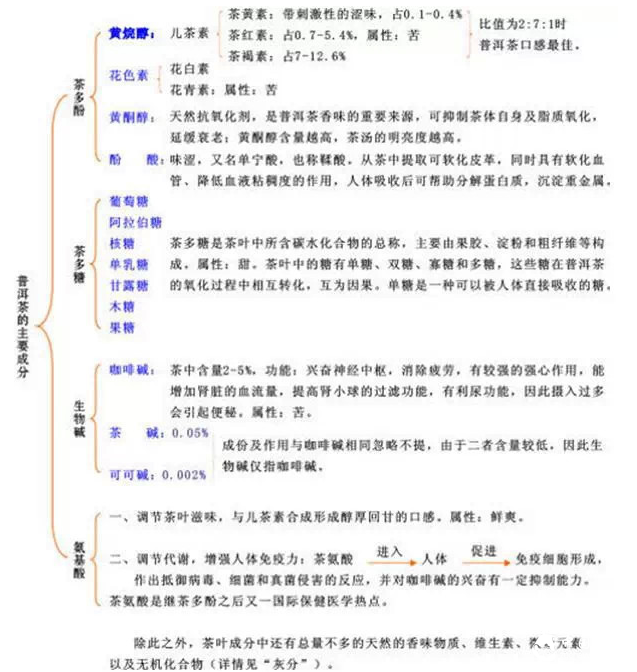
In the above diagram:
First layer: The four main components of dry matter, including: tea polyphenols, tea polysaccharides, alkaloids, and amino acids;
Second layer: Refers to the main constituents of the four primary components;
Third layer: The "new" components formed after transformation (fermentation or oxidation), mainly referring to the conversion of catechins into theaflavins, thearubigins, and theabrownins.
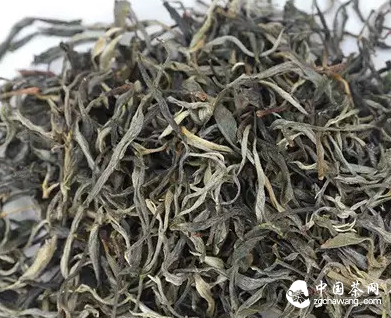
It should be noted that:
1. For ripe tea, fibrous substances and pectin in tea polysaccharides degrade with the degree of fermentation, becoming soluble carbohydrates, which greatly influence the thickness or viscosity of the tea soup. The content of theanine decreases or disappears as it slowly oxidizes, transforms, and degrades during the tea processing.
2. Compared to other components, caffeine is a relatively stable substance that generally does not transform easily. Therefore, its content remains high in raw tea, and even in aged raw tea, the amount is still considerable. For ripe tea, specialized techniques for decaffeination, combined with high-temperature drying, can reduce the caffeine content.