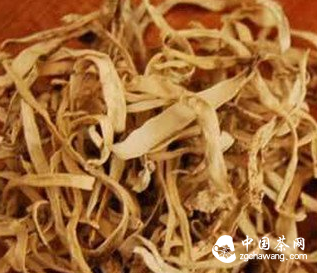
Lijiang Snow Tea
Lijiang Snow Tea is a specialty of Lijiang, Yunnan. Lijiang Snow Tea belongs to the lichen-type plants in the tea family. Its overall shape resembles white chrysanthemum petals, and it is as white as snow, hence the name "Snow Tea". Lijiang Snow Tea can be divided into White Snow Tea and Red Snow Tea based on its color.
1. Characteristics of Lijiang Snow Tea
1. White Snow Tea mainly grows in snowy regions above 4,000 meters and is quite rare. Lijiang Snow Tea is one type of White Snow Tea. It begins to sprout when it snows, and when covered by snow, it grows tender leaves, forming White Snow Tea, i.e., Lijiang Snow Tea. White Snow Tea withstands multiple infusions and can be brewed alone or used as a blend. It has the effects of clearing heat, relieving summer heat, promoting salivation, quenching thirst, and improving vision.
2. Red Snow Tea, also known as Golden Silk Tea, is mainly distributed on the dried trunks of larch and fir trees above 4,000 meters. When brewed with boiling water, it produces a bright red color, similar to red wine. Red Snow Tea is rich in essential trace elements and has significant effects in reducing blood lipids and cholesterol, calming the mind, opening the orifices, nourishing the blood, and benefiting the heart. It also provides noticeable auxiliary therapeutic benefits for hypertension, coronary heart disease, obesity, and neurasthenia.
2. Nutritional Value of Lijiang Snow Tea
Lijiang Snow Tea has a cool nature and a sweet taste. It contains abundant snow tea acid,鳞片酸 (scale acid),羊角衣酸 (ram's horn lichen acid), D-arabitol, mannitol, amino acids, various vitamins, and trace elements. It has been certified by relevant Chinese quality inspection agencies as a safe, non-toxic beverage with no side effects. Lijiang Snow Tea has medicinal values such as promoting salivation, quenching thirst, clearing heat, detoxifying, calming the liver, reducing fire, nourishing yin, moistening the lungs, lowering blood lipids, and reducing blood pressure. It can also be brewed with boiling water and consumed as tea. For sore throat, slowly chewing Snow Tea transforms its taste from bitter to sweet, leaving a lasting pleasant aftertaste and excellent therapeutic effects.
3. Folk Remedies with Lijiang Snow Tea
1. Adjuvant treatment for neurasthenia: Lijiang Snow Tea and鹿衔草 (Pyrola calliantha)各三钱 (9g each),羊角参 (羊角参)二钱 (6g). Use yellow wine as a guide, decoct in water for oral administration.
2. Treatment for epilepsy and mania: Lijiang Snow Tea and珠砂七 (possibly a local herb name)各三钱 (9g each), decoct in water for oral administration. Requires long-term use.
3. Treatment for hypertension: Lijiang Snow Tea,羊角参, and小晕鸡头 (possibly a local herb name)各五钱 (15g each), decoct in water for oral administration.
4. Origin of Lijiang Snow Tea
The history of consuming Snow Tea in Lijiang is long-standing. As early as the Ming Dynasty, Snow Tea had become a tribute item for the Mu chieftain. Currently, several companies in Lijiang produce boxed products and beverages, making it an excellent gift for tourists and friends. Lijiang Snow Tea holds a significant place in Chinese pharmacopoeia. "Compendium of Materia Medica Supplements" records: "Snow Tea is not actually a tea; it is a naturally occurring grass bud. Local people pick, roast, and process it to use as a tea substitute. When consumed, it warms the abdomen, and its taste is bitter, refreshing, and pleasant."