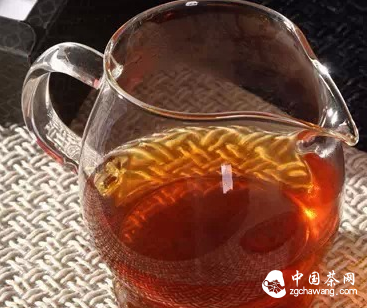
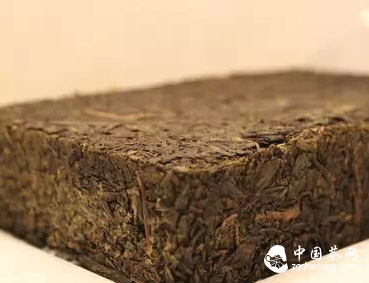
Among the series of compressed tea products, except for later creations like Anhua Heizhuan and Huazhuan teas which use artificial baking for drying, products such as "Jing Brick," Tian, Gong, Shengjian teas, and certain tea bundles (e.g., Shaanxi and Gansu bundles) historically did not employ specific drying processes. The reasons are: firstly, in the past, there were no specialized testing devices, and the moisture content of tea for leaving the factory was determined solely by experience; secondly, the entire pressing process was manual, resulting in loose tea products (bundles) with good breathability, facilitating moisture loss; thirdly, the tea flow was from south to north. Although the transportation took a long time, the continuously decreasing air humidity along the way had a natural air-drying effect. Moreover, historical records indicate that herders did not mind "moldy" tea, which likely referred to the Eurotium cristatum in Fu brick tea. If it were Penicillium or other miscellaneous molds, the taste would be bitter and astringent, which would be utterly unacceptable. Most contemporary tea products are mechanically pressed, resulting in bricks with high compactness. Coupled with fast and short transportation times, they require a proper storage period. If not dried promptly, mold can occur.
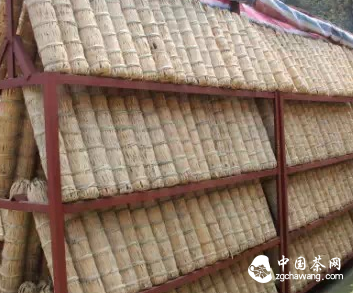
Due to historical reasons, we refer to the natural air-drying method as the traditional drying process. Currently, Tian, Gong, Shengjian teas, and Qianliang tea still employ this traditional method. After the tea is pressed into bundles, it is placed in a cool, ventilated area for 10-15 days before being packed and shipped. Anhua Qianliang tea, however, uses a 49-day drying process involving sun exposure during the day and dew at night, allowing slow moisture reduction—a method that achieves a similar effect as the traditional drying process.
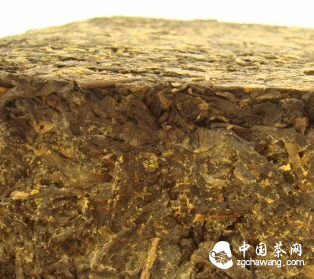
For the "flowering" of Fu brick tea, the traditional natural air-drying method produces larger "flower" particles and better color compared to artificial drying rooms. This illustrates a point: since Anhua dark tea is a special tea category formed under specific historical conditions, studying traditional processes can provide references for improving modern techniques. Artificially accelerating the process might "hasten without success."
Undoubtedly, whether historically carried by shoulder or horseback or through contemporary natural air-drying, during storage, the prolonged effects of heat, humidity, and microbial activity cause the internal components of the tea to transform in a direction favorable for quality formation. For thousands of years, people have consumed it without any harm to their bodies. Instead, they have become so dependent on it that without it, they "fall ill." This is an objective fact. Today, people study and utilize it but should not deliberately alter its original nature.