There is a disease called "Tea-type Fluorosis"
Nowadays, there is a disease called "tea-type fluorosis," which refers to chronic fluorosis caused by excessive intake of tea or tea products with high fluoride content. Fluorosis can lead to symptoms such as fatigue, loss of appetite, dizziness, headaches, and memory loss. Strong tea contains relatively high levels of fluoride, and regularly drinking it can damage the kidneys. This is because the kidneys are the main excretory organ for fluoride. When the body's intake of fluoride exceeds the kidneys' excretion capacity, fluoride accumulates in the body, and the fluoride content in the kidneys increases significantly. Experiments have shown that excessive fluoride retained in the kidneys can cause damage to the renal tubules in both the cortex and medulla.

Many people mistakenly believe that strong tea can counteract alcohol.
In fact, strong tea not only fails to sober someone up but can further harm the kidneys. The reason is that the theophylline in strong tea quickly reaches the kidneys and produces a diuretic effect, which prematurely drives unoxidized acetaldehyde into the kidneys. Acetaldehyde is highly toxic to the kidneys and can damage glomerular and tubular cells, posing a threat to renal function. Therefore, using strong tea as a hangover remedy is not advisable.
Drinking too much strong tea can easily harm bones.
A foreign study analyzing the tea-drinking habits and fracture risk of 3,170 Americans over 50 years old showed that those who drank five cups of strong tea daily had a 70% higher risk of fracture compared to those who did not drink strong tea. According to a domestic epidemiological survey of 4,659 herdsmen in Inner Mongolia, their degree of osteoporosis was 17% higher than that of Han Chinese who do not drink strong tea, due to their long-term consumption of strong tea. This is because strong tea contains relatively high levels of caffeine, which can inhibit the duodenum's absorption of calcium and accelerate the excretion of calcium in urine. This dual effect of inhibiting absorption and accelerating excretion leads to calcium deficiency in the body, easily inducing bone calcium loss. Over time, it can contribute to osteoporosis.
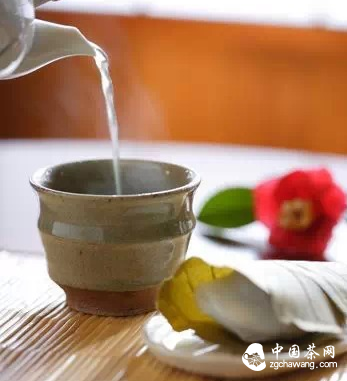
Chew some tea leaves for tooth sensitivity.
Tooth sensitivity refers to brief, sharp pain experienced when teeth are stimulated by certain factors. It is a symptom of dentin hypersensitivity, which can be caused by various reasons: dental caries reaching the dentin, poor calcification or lack of enamel exposing the dentin, severe wear on one side of the teeth due to long-term chewing on that side, or incorrect brushing methods, especially horizontal sawing motions, which over time can lead to wedge-shaped defects at the tooth neck. All these situations can cause tooth sensitivity. Additionally, incorrect root planing leading to gum recession and exposure of the dentin at the tooth neck can also cause tooth discomfort.

To prevent and treat dentin hypersensitivity, the following methods can be adopted in daily life: Chew some raw walnut kernels. Raw walnut kernels contain a large amount of tannic acid, which can coagulate the proteins in dentinal tubules and also have a desensitizing effect. Alternatively, you can place fresh tea leaves directly on the sensitive area of the tooth and chew gently. Tea leaves are rich in fluoride and tea polyphenols. Fluoride ions are also very beneficial for dental health, as they have a strong affinity with the calcium in teeth, acting like a protective layer for the teeth and helping to prevent the progression of dental caries. Tea polyphenols have disinfectant and antibacterial properties, not only inhibiting the growth of cariogenic bacteria but also enhancing the acid resistance of tooth enamel. In the presence of fluoride, this acid resistance is surprisingly enhanced. When using the method of chewing tea leaves to treat tooth sensitivity, there is no need to choose high-grade tea, as high-grade tea反而 has lower fluoride content. Some desensitizing toothpastes currently on the market are quite effective for dentin hypersensitivity. If the sensitivity is solely due to exposed dentin, the above methods can be very effective.