Tea is known as the fine tree of the south. The Shennong Bencao Jing states: 'Shennong tasted hundreds of herbs to treat illnesses, one day encountering seventy-two poisons, (explained elsewhere), and was detoxified upon obtaining tea.' So what does this magical oriental herb contain that makes it so irresistible?
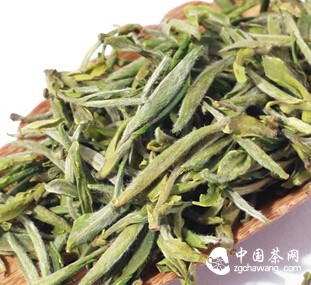
1. Tea Polyphenols. Tea polyphenols are a major chemical component in tea leaves. They are the general term for over 30 types of phenolic substances in tea, with a bitter and astringent taste. They are found in the highest concentrations in southern teas, summer teas, young teas, and green tea. Tea polyphenols have effects such as anti-aging and anti-radiation.
2. Amino Acids. The amino acid content in tea leaves generally accounts for 1%-4% of the dry weight of the tea. Amino acids in tea are highly soluble in water and have a fresh, sweet taste, similar to the umami flavor of monosodium glutamate. Among them, theanine is an amino acid unique to the tea plant, rarely found in other plants. It is also a characteristic substance of the tea plant.
3. Alkaloids. These are a class of purine derivatives containing a purine ring. The main alkaloid in tea is caffeine. The caffeine content in tea leaves ranges from 2% to 5%. After brewing, about 80% or more of the caffeine dissolves in the hot water. Caffeine has stimulating and diuretic effects on humans. Therefore, tea is a good stimulant and diuretic.
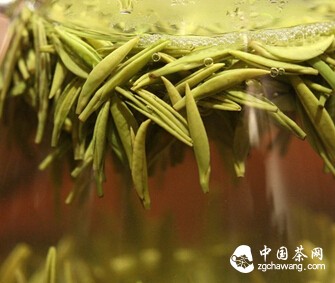
4. Vitamins. Tea contains various vitamins, mainly vitamin C, vitamin B1, vitamin B2, folic acid, niacin, vitamin E, etc., all of which are essential nutrients for the human body. They work synergistically with caffeine and tea polyphenols to produce pharmacological effects, which can be more significant than those of individual components alone.
5. Fluoride. Generally, foods contain very little fluoride. Tea contains relatively rich fluoride, typically ranging from 0.002% to 0.025%. About 40-80% of the fluoride in tea dissolves in boiling water. Effects: Strengthens teeth by hardening the tooth enamel, prevents cavities, and reduces tooth decay.
6. Carbohydrates in Tea. The carbohydrate substances in fresh tea leaves include monosaccharides, oligosaccharides, polysaccharides, and a small amount of other sugars. Monosaccharides and disaccharides are the main components of soluble sugars in tea. The polysaccharides in tea mainly include cellulose, hemicellulose, starch, and pectin.